LIFESTYLE
Vegetable Storage: Are vegetables rotting in the fridge? Keep them fresh for weeks with one easy hack.
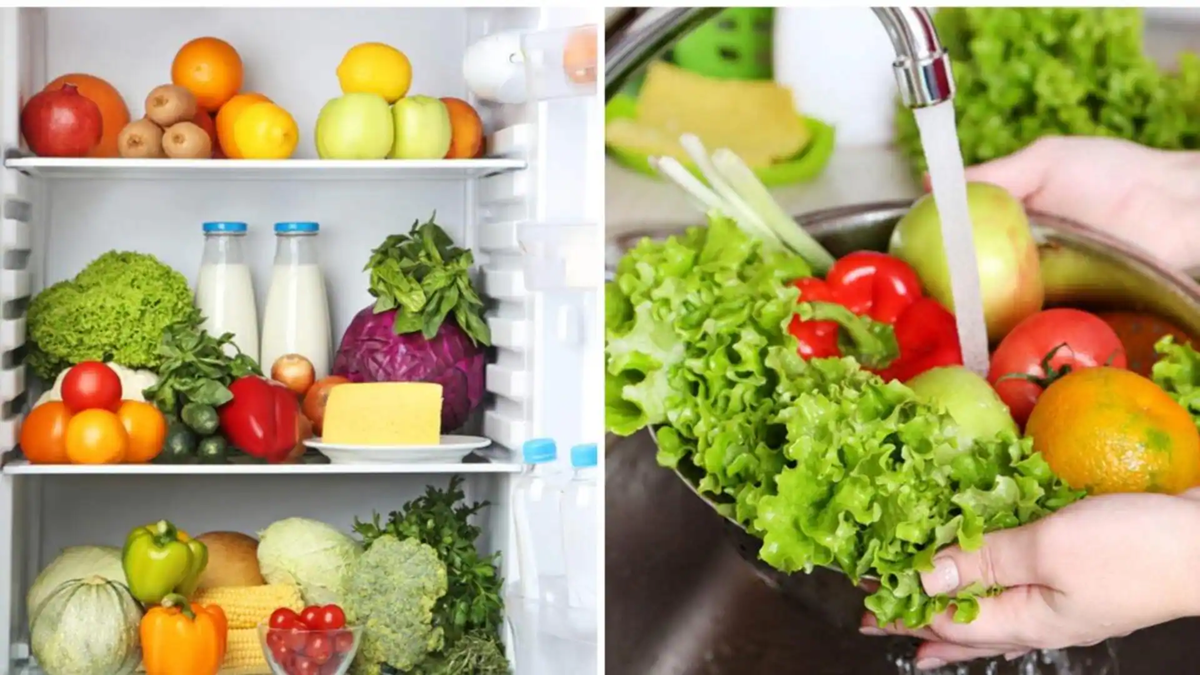
Refrigerator Tips: Many times, the vegetables kept in the refrigerator look absolutely fresh from the outside, but within a few days they start becoming soft, rotting, or getting moldy.
How to keep vegetables fresh in the refrigerator for a long time
How To Keep Vegetables Fresh In Fridge: If you see excess moisture or water droplets on vegetables upon opening the fridge, don't ignore it thinking it's normal. Excessive moisture can quickly spoil vegetables and fruits. Sometimes vegetables stored in the fridge look fresh from the outside, but within a few days, they begin to soften, rot, or develop mold. Proper storage not only keeps vegetables fresh for longer, but also prevents food from getting wasted.
Avoid washing vegetables before storing them in the refrigerator.
If you're going to refrigerate vegetables or fruits, it's best to wash them just before use. Any moisture left after washing can cause them to spoil faster. If, for some reason, it's necessary to wash them beforehand, dry them thoroughly before storing them in the refrigerator. The less water and moisture accumulated on the surface, the less likely they are to spoil quickly.
Store vegetables and fruits whole.
It's not advisable to cut vegetables and fruits before storing them in the refrigerator. Cut vegetables and fruits spoil quickly. If necessary, remove the root or stem, but cut the remaining portion only when ready to use. If you need to use the vegetable very soon, you can cut it and store it in a container in the refrigerator crisper. However, storing it this way will not keep it fresh as long as whole vegetables.
Do not keep all the vegetables in one place.
Leafy greens and herbs can be stored in the crisper, while other vegetables and fruits are best stored separately. Storing vegetables with higher water content separately from those with lower moisture content can reduce their risk of spoilage. Storing different types of vegetables and fruits too close together can cause the moisture content or spoilage of one to affect the other. Therefore, it's important to organize vegetables in the refrigerator.
Use paper instead of plastic
Closed plastic bags or containers can trap moisture, increasing the risk of spoilage for vegetables and fruits. It's especially undesirable to store these items in sealed plastic for extended periods. Paper packages with holes or plastic nets can be used to store vegetables, allowing for some air circulation. Paper bags may be a better option for mushrooms, as they allow excess moisture to escape rather than trapping them.
Don't leave vegetables in the fridge for too long.
To avoid forgetting vegetables and fruits in the refrigerator, it can be helpful to write their expiration dates on them. This will help you know which items need to be used first and which later. This can also help prevent overbuying and letting them spoil.
Keep the refrigerator temperature right.
Maintaining the correct refrigerator temperature is essential for keeping fruits and vegetables fresh for a long time. Generally, temperatures between 1 and 4 degrees Celsius are considered optimal for fruits and vegetables. Too low temperatures can cause some water-rich foods to freeze, while improper temperatures can cause vegetables to spoil quickly.
Keep the humidity level in the refrigerator balanced.
To keep vegetables and fruits fresh for a long time, the humidity inside the refrigerator should not be too high. Excessive humidity can cause water to accumulate on the surface of vegetables and accelerate their rotting. If you repeatedly notice water droplets on vegetables upon opening the refrigerator, pay attention to the crisper and storage conditions. Reducing excess humidity can help prevent vegetables from spoiling quickly.
Check the vegetables stored in the refrigerator from time to time.
Check vegetables and fruits stored for several days frequently. Some items in the same batch may spoil faster than others. If a fruit or vegetable shows signs of rotting, discard it immediately. A spoiled vegetable can quickly affect other nearby vegetables and fruits. Therefore, after removing such an item, it is important to thoroughly clean the crisper or refrigerator area.
Some vegetables and fruits don't need to be refrigerated.
Not every fruit and vegetable needs to be refrigerated. Storing tomatoes in the refrigerator can affect their taste and texture. Potatoes are best stored in a dark, cool, but not too cold, place rather than in the refrigerator. Avocados, onions, peaches, and bananas are also generally best stored on the kitchen counter.