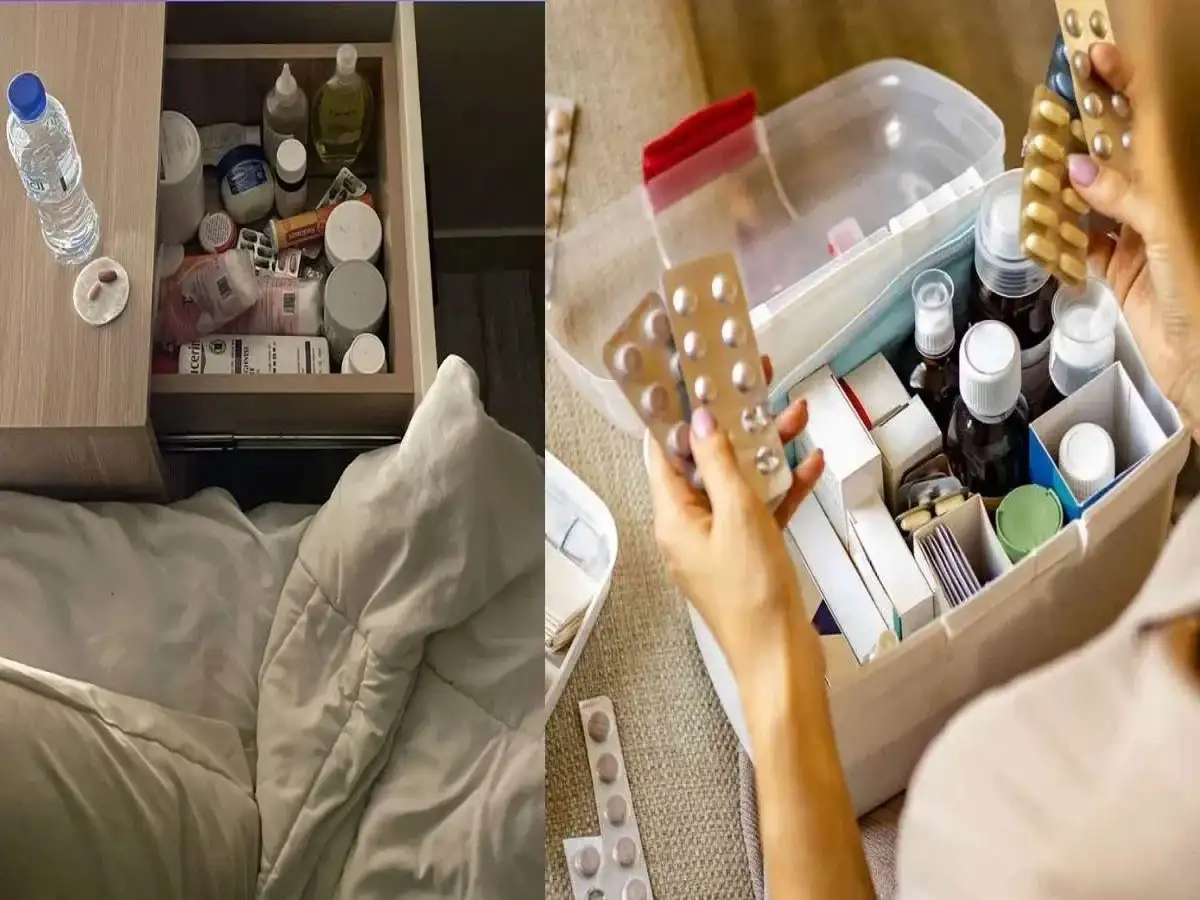
For many people, keeping medicines close to the bed seems like a practical habit. If a tablet needs to be taken at night or early in the morning, having it on the bedside table or near the pillow makes it easier to reach. Some people also store medicines in the bed's storage compartment along with prescriptions, medical reports and other health-related items.
However, traditional Vastu practices generally advise keeping such objects away from the immediate sleeping area. The reasoning is largely connected with the atmosphere of the bedroom and the belief that the things surrounding a person can influence their mental environment.
It is important to understand that these are traditional Vastu beliefs and not medically proven effects. From a health perspective, medicines should primarily be stored according to the instructions provided with the particular medication.
Why Does Vastu Discourage Medicines Near the Bed?
Medicines are naturally associated with illness, treatment and recovery. According to traditional Vastu thinking, repeatedly seeing or keeping objects connected with illness close to the place where a person sleeps may keep their attention subconsciously focused on health-related concerns.
The bedroom is generally considered a place for rest and relaxation. Therefore, Vastu-based practices often recommend maintaining a calm, clean and uncluttered environment around the bed.
This does not mean that simply keeping a medicine near the bed will cause illness or bring negative energy. Rather, the traditional recommendation is intended to encourage a more peaceful and organized sleeping environment.
Is Keeping Medicine Under the Pillow Considered Unfavorable?
The pillow is one of the objects closest to the head during sleep. Some Vastu traditions therefore discourage placing medicines, prescriptions or medical documents under or immediately beside the pillow.
The traditional reasoning is that constantly keeping reminders of illness close to the head could contribute to mental preoccupation with health concerns. People who are already worried about their health may find it difficult to mentally switch off when medical items are constantly visible.
Possible concerns associated with this practice in Vastu traditions include:
- Repeated reminders of illness or treatment
- Increased focus on health-related worries
- Difficulty creating a completely relaxing bedroom environment
- A sense of clutter around the sleeping area
- Disturbed or uncomfortable sleep for some individuals
These points should be viewed as Vastu-based beliefs rather than established medical conclusions. There is no scientific basis for saying that a medicine placed under a pillow itself creates negative energy or directly causes poor health.
What About Keeping Medicines Under the Bed?
The area beneath a bed is often treated differently in traditional Vastu practices. Keeping the space clean and free from unnecessary objects is commonly recommended.
According to these beliefs, storing medicines, old medical files, unused belongings or piles of miscellaneous items under the bed can make the sleeping area feel cluttered. A cleaner space is traditionally associated with a more peaceful atmosphere.
There is also a practical reason to avoid using the space under the bed as a medicine cabinet. Dust, heat, humidity and unsuitable storage conditions can affect certain medicines. The exact storage requirements depend on the medication, so the manufacturer's instructions should always be followed.
Where Should Medicines Be Stored?
Rather than keeping medicines loosely around the bed, a dedicated storage area can make them easier to organize and protect.
A suitable medicine-storage location should generally be:
- Clean and dry
- Away from direct sunlight
- Protected from excessive heat and moisture
- Kept in accordance with the temperature instructions on the medicine label
- Out of reach of young children
- Organized so that different medicines can be identified easily
Whenever possible, medicines should remain in their original packaging. This helps retain important information such as the name of the medicine, dosage instructions, expiry date and storage conditions.
Don't Forget to Check Expiry Dates
Organizing medicines is also a good opportunity to review the contents of your medicine cabinet. Expired or damaged medicines should not simply be mixed with currently used medicines.
Check expiry dates periodically and follow appropriate local guidance for disposing of medicines that are no longer required. If you are unsure about how a particular medicine should be stored or discarded, a pharmacist or healthcare professional can provide appropriate advice.
Keep the Bedroom Calm and Clutter-Free
Whether or not you follow Vastu, maintaining an organized bedroom can make the space more comfortable. Keeping unnecessary paperwork, medical files and miscellaneous objects away from the sleeping area may help create a cleaner visual environment.
For people who need to take medication during the night, convenience and safety should still come first. In such cases, the medicine should be kept somewhere accessible but stored under the conditions specified for that particular product.
In short, Vastu traditions generally recommend keeping medicines and health-related documents away from the pillow and beneath the bed because the bedroom is traditionally viewed as a space for rest and mental calm. These ideas are based on cultural and Vastu beliefs, not established medical evidence. For actual medication storage, the instructions on the medicine packaging should always take priority.