NEWS
US-China Relations: US action raises tensions between the two superpowers, and the Dragon now issues a direct warning to Trump
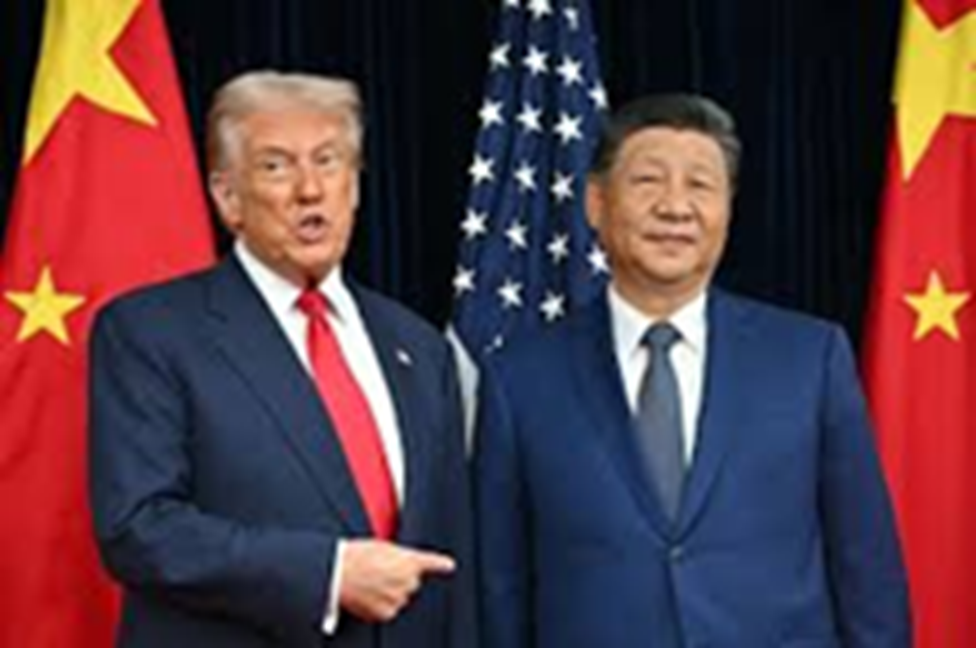
China's Commerce Ministry alleged that the US tightened export controls, which affected bilateral investment and harmed normal business activities.
The danger of conflict between the two world superpowers has increased again.
US-China Relations: There are signs of tensions escalating once again between the world's two largest economies, the United States and China. Beijing has clearly warned that if the US moves forward with the review of the 2020 'Phase One' trade agreement and imposes new tariffs, it will take "all necessary measures" to protect its interests. Washington had previously indicated that it could step up its compliance audit of the agreement.
Responding to comments by US Trade Representative Jamieson Greer, the Ministry of Commerce of the People's Republic of China said that despite obstacles posed by the COVID-19 pandemic, China respected the Phase One agreement, followed intellectual property rules, and opened markets in the financial and agricultural sectors.
China's warning
The ministry alleged that the US tightened export controls, which affected bilateral investment and harmed normal business activities. China also stated that if the US imposes new tariffs based on the investigation, Beijing will not hesitate to take retaliatory measures to safeguard its legitimate rights and economic interests.
This statement comes as US President Donald Trump is scheduled to visit Beijing, potentially his first visit to China since 2017. Furthermore, this development comes against the backdrop of the Supreme Court of the United States invalidating some of Trump's tariff measures.
Why can tension increase?
Analysts believe that if the tariff dispute between the two countries escalates again, widespread volatility could be seen in global supply chains, commodity markets, and equity markets. Tensions between the United States and China reached a peak earlier this year when US President Donald Trump announced sweeping tariffs on several countries. These tariff measures impacted global trade, supply chains, and stock markets.
Subsequent trade agreements and negotiations between the two countries have somewhat normalized the situation and reduced the strain on relations. However, renewed scrutiny and talk of potential new tariffs have increased uncertainty in global markets. International affairs experts believe that if the tariff war intensifies again, it could impact not only the US and China but the entire global economy, especially emerging markets and export-oriented economies.