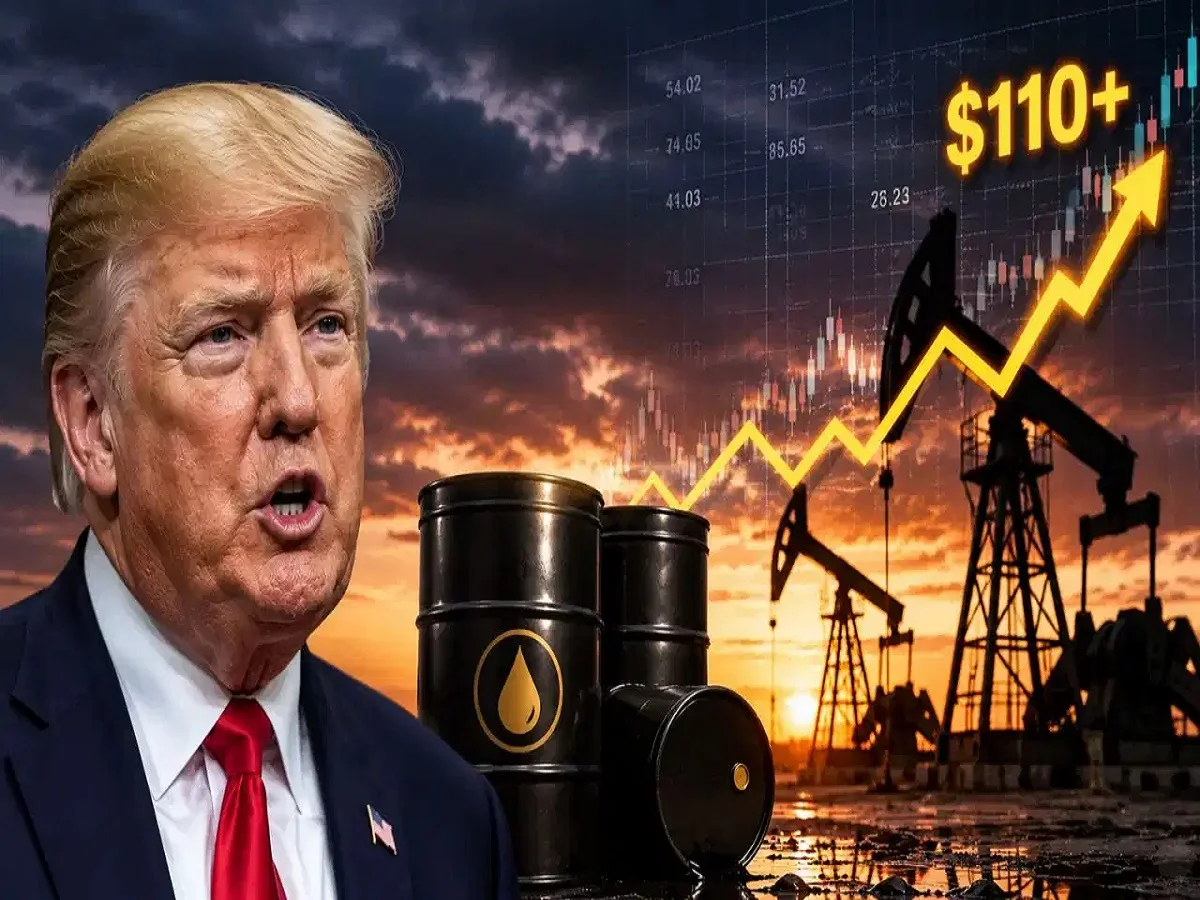
Donald Trump has reportedly presented one of the biggest diplomatic offers yet to Iran amid rising tensions in the region. If the proposal moves forward, it could significantly impact global crude oil prices and ease pressure on energy markets worldwide.
According to recent reports, fresh negotiations between Washington and Tehran are now gaining momentum as both sides attempt to reduce escalating geopolitical tensions that have affected global trade and oil supply chains.
US Considering Temporary Sanctions Relief
Reports suggest that a new draft framework has emerged during ongoing discussions between the United States and Iran.
Under the proposed arrangement, the US is reportedly willing to temporarily ease restrictions on Iranian oil exports while broader negotiations continue.
This marks a significant shift compared to earlier proposals because partial sanctions relief could begin even before a final long-term agreement is signed.
If implemented, Iran may be able to increase crude oil exports to international markets again, potentially boosting global oil supply and reducing price pressure.
Why This Matters for Global Oil Prices
Iran remains one of the world’s major oil-producing nations. However, strict US sanctions over recent years sharply reduced its ability to export crude oil.
As a result, global oil markets have remained sensitive to geopolitical tensions in the Middle East.
Analysts believe that if Iranian oil re-enters international markets in larger quantities:
- Global crude supply could increase
- Oil prices may stabilize or decline
- Fuel inflation pressure could ease in several countries
- Import-dependent nations may get relief on energy costs
Countries like India, which import large amounts of crude oil, could especially benefit if prices soften.
Iran’s Main Demand
Iran has reportedly maintained that any long-term agreement must include the complete removal of US sanctions.
According to reports, Tehran is seeking strong guarantees from Washington regarding:
- Long-term sanctions relief
- Continued compliance commitments
- Protection against future policy reversals
At present, the US is said to be offering only a temporary waiver mechanism.
Under this arrangement, certain restrictions — particularly those linked to the Office of Foreign Assets Control (OFAC) — may remain relaxed while negotiations continue.
Peace Talks and Regional Mediation
Recent reports also indicate that Iran submitted a revised diplomatic proposal aimed at reducing tensions in the Middle East.
The proposal was reportedly delivered to the United States through Pakistan, which has recently hosted discussions intended to support peace negotiations between the two sides.
Iran has also confirmed that it formally responded to a fresh American proposal related to ending the ongoing regional conflict.
Trump Issues Warning to Iran
At the same time, Donald Trump reportedly warned Iran that if it genuinely wants a peace agreement, it must act quickly.
According to reports, Trump stated that failing to reach a deal could leave Iran with “nothing,” while emphasizing that “time is very precious.”
The comments have intensified global attention on the negotiations, especially because any breakthrough could immediately affect international crude oil markets.
Impact on India and Consumers
If tensions ease and crude oil prices decline, Indian consumers could eventually see relief in several areas, including:
- Petrol and diesel prices
- Cooking oil transportation costs
- Airline fuel expenses
- Inflation in food and logistics sectors
However, experts caution that geopolitical negotiations remain highly unpredictable, and markets could continue witnessing volatility until a formal agreement is reached.
Global Markets Closely Watching Developments
Energy traders, investors, and governments across the world are now closely monitoring every update related to US-Iran negotiations.
Even small diplomatic developments between the two countries have historically caused major swings in crude oil prices.
If a broader agreement eventually materializes, it could become one of the most significant geopolitical developments affecting global energy markets in recent years.