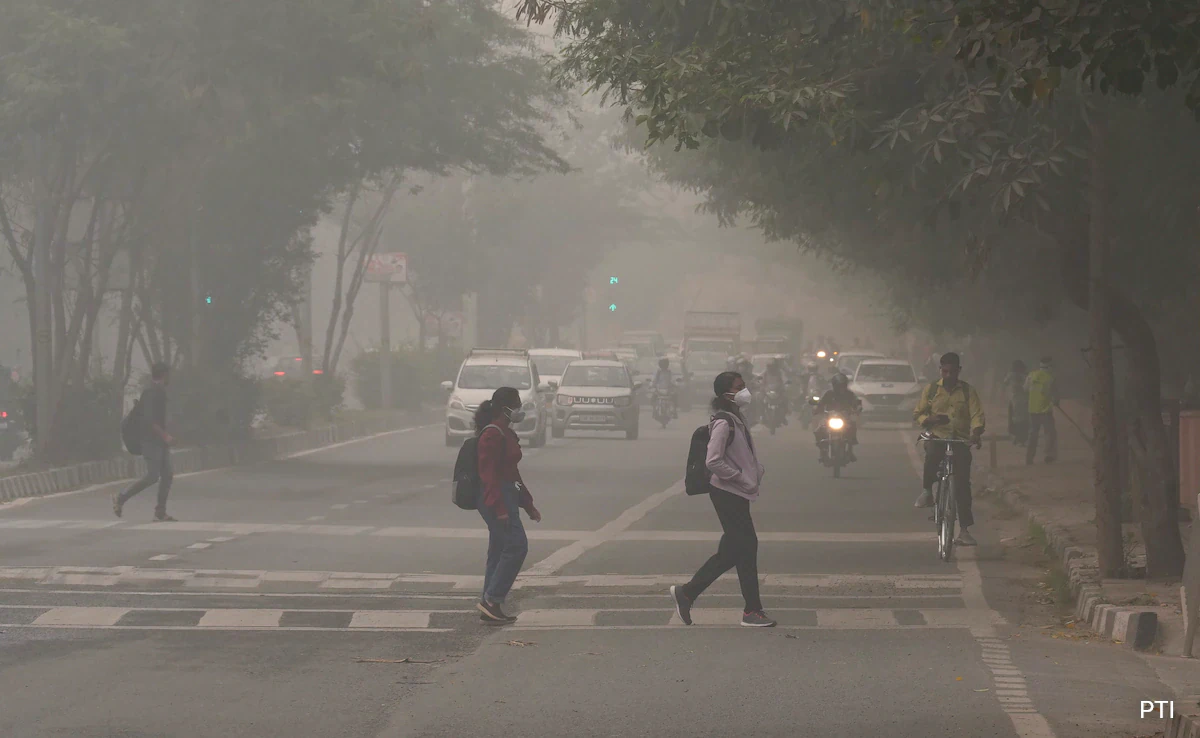
Toxic air is not only affecting the lungs but also the brain. Research from Queen's University has revealed that exposure to PM 2.5 and nitrogen dioxide is linked to a significantly increased risk of suicide.

Impact of air pollution
Family discord, financial hardship, or mental stress are commonly considered the reasons behind suicide. However, a recent study by scientists at Queen's University Belfast in the UK has revealed a shocking fact. The researchers claim that people who breathe polluted air are significantly more likely to have suicidal thoughts. This study, published in the Journal of Epidemiology and Community Health, analyzed 29 major studies from around the world to understand the impact of air pollution on the human brain and mental health.
Which university conducted this study?
To understand this dangerous link between air pollution and mental health, researchers at Queen's University Belfast in the UK conducted a major study. To gain a deeper understanding of this impact, scientists closely analyzed 29 major studies from around the world. This study included data from places like Europe, the United States, South Korea, China, Taiwan, Japan, and Colombia. This investigation found that toxic particles in the air not only damage our lungs but also directly attack our brains.
Which pollutants are the most dangerous?
Research has revealed that fine airborne particles, such as PM 2.5 and PM 10, increase inflammation and stress in the brain. Surprisingly, even short-term exposure to these particles has been shown to increase suicidal thoughts. Furthermore, long-term exposure to nitrogen dioxide has been found to increase depression and suicidal ideation.
Furthermore, research has found that air pollution, as well as water contaminated with heavy metals like arsenic, lead, and lithium, can impair neurological function. This can lead to chronic inflammation and nerve damage, which can further contribute to conditions like depression. Researchers have also identified sulfur dioxide, ozone, and even traffic noise as contributing factors to mental stress.
The danger looms largest for the youth.
Citing data from the World Health Organization (WHO), the report states that more than 700,000 people worldwide die by suicide each year. Most alarmingly, suicide is the third leading cause of death among youth aged 15 to 29.
Experts from the School of Population Health at Australia's Curtin University say this study represents an initial but crucial step in understanding the link between air pollution and mental disorders. Until now, it was believed that polluted air only caused heart and lung diseases, but now it's clear that it's also eroding the mental fabric of society. Therefore, it's imperative to prioritize not only health but also environmental protection.