Rivers are often called the lifeline of civilizations. Across the world, rivers play a crucial role in supplying drinking water, supporting agriculture, generating electricity, and sustaining ecosystems. Most countries depend heavily on rivers for daily life, economic growth, and development.
However, surprisingly, there are several countries in the world where not a single permanent river flows naturally. Despite the absence of rivers, these nations continue to survive through alternative water management systems such as desalination plants, underground water reserves, seasonal rainfall collection, and imported water resources.
Most of these riverless countries are located in desert regions where extremely dry climates and low rainfall make river formation nearly impossible.
Here are some of the countries where no permanent rivers exist.
Saudi Arabia Has No Permanent River
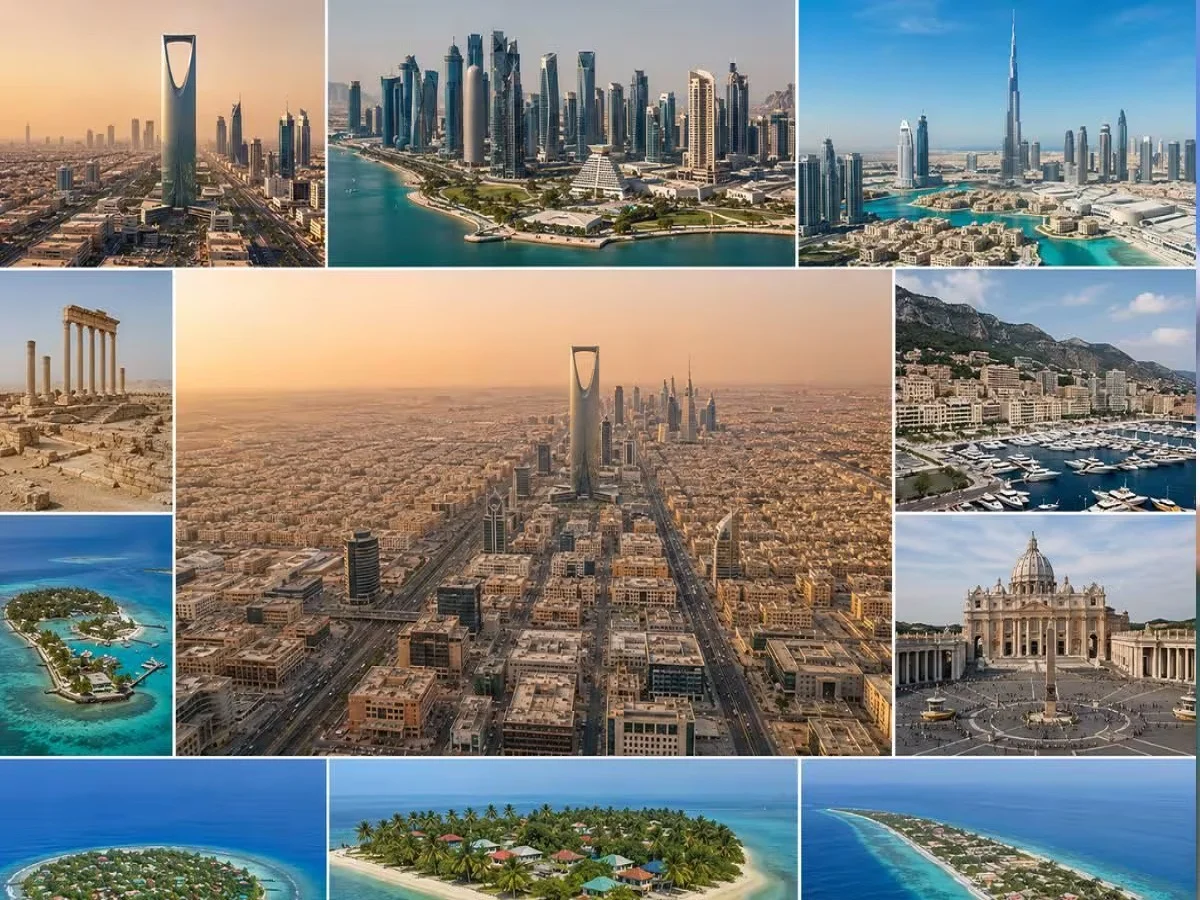
Saudi Arabia is one of the largest countries in the Middle East, yet not a single permanent river flows through its territory.
The country is dominated by vast deserts and receives extremely low annual rainfall. Because of its arid climate, natural freshwater resources are very limited.
To meet water demands, Saudi Arabia relies heavily on:
- Desalination plants
- Underground aquifers
- Water conservation systems
- Imported food and water-intensive products
The country is considered one of the world leaders in desalination technology.
Kuwait Also Has No Natural Rivers
Located near the Persian Gulf, Kuwait is another country without natural rivers.
The nation’s harsh desert climate and minimal rainfall make freshwater availability extremely limited. Like Saudi Arabia, Kuwait depends largely on desalinated seawater to supply drinking water to its population.
The country also focuses heavily on water storage and conservation because of its challenging environmental conditions.
United Arab Emirates Relies on Advanced Water Systems
United Arab Emirates, known globally for its modern cities and advanced infrastructure, is also among the countries without rivers.
Despite having no permanent rivers, the UAE has developed highly advanced water management systems to support its rapidly growing population and tourism sector.
The country depends on:
- Desalinated seawater
- Artificial reservoirs
- Groundwater sources
- Sustainable water recycling projects
The UAE has also invested heavily in technologies aimed at reducing water wastage and improving sustainability.
Yemen Has Seasonal Valleys Instead of Rivers
Yemen is another nation where permanent rivers do not exist.
Instead of rivers, Yemen has dry valleys known as “wadis.” These wadis temporarily fill with water only during seasonal rainfall or sudden storms.
For much of the year, these channels remain dry. Due to water scarcity, many communities in Yemen rely on groundwater and rainwater harvesting for survival.
The country has faced major water challenges for decades because of its dry climate and limited freshwater resources.
Libya Is Dominated by the Sahara Desert
In North Africa, Libya is another example of a country without permanent rivers.
A large portion of Libya is covered by the Sahara Desert, one of the driest regions on Earth. The country’s extremely arid climate prevents the formation of long-lasting rivers.
To address water shortages, Libya developed the famous “Great Man-Made River” project, which transports underground fossil water from desert aquifers to populated areas through a massive pipeline network.
Despite its name, this project is actually an engineered water transportation system rather than a natural river.
How Do Riverless Countries Survive?
Countries without rivers depend on several alternative methods to meet water needs, including:
- Desalination of seawater
- Underground water reserves
- Rainwater harvesting
- Water recycling systems
- Imported water-intensive products
Many of these nations invest billions of dollars in advanced water technology and infrastructure to ensure long-term water security.
Rivers Remain Essential for Human Civilization
Although some countries have successfully adapted to life without rivers, freshwater scarcity remains one of the biggest global challenges. Rivers continue to play a critical role in supporting agriculture, biodiversity, transportation, and human survival.
As climate change and water shortages become increasingly serious worldwide, experts believe efficient water conservation and sustainable resource management will become even more important in the future.