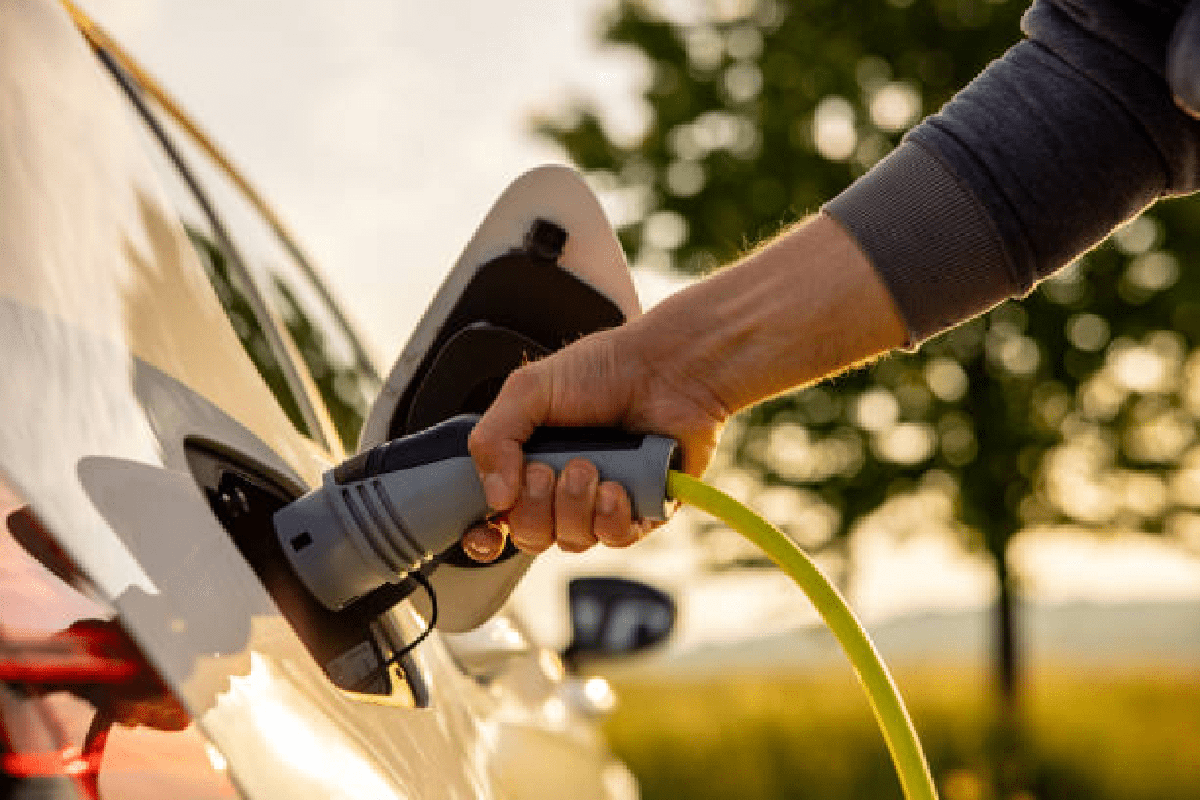
Is your electric vehicle not delivering the same mileage as before? The reason may not be a fault with the company, but rather some everyday mistakes you make while charging your vehicle.
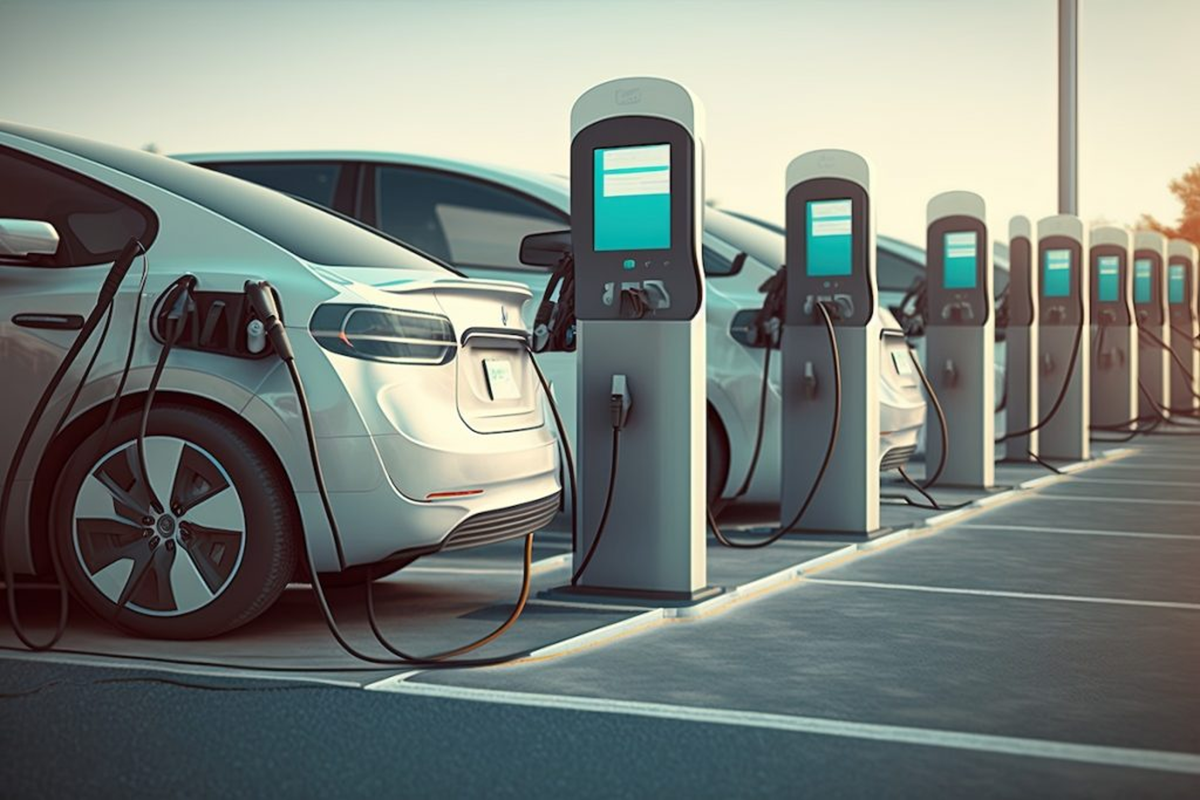
Electric vehicle charging
These days, people are increasingly turning to electric vehicles (EVs), frustrated by the rising prices of petrol and diesel. From electric scooters to electric cars, electric cars are now becoming a common sight on the roads. However, just a few months after purchasing a new electric vehicle, many people begin complaining that their vehicle no longer offers the same range as before.
People often blame the vehicle manufacturer for this, but the reason often lies in poor charging habits. These unintentional mistakes can damage the battery's health and gradually reduce the vehicle's range. Learn about the main reasons behind this.
Frequent use of fast charger
Most electric vehicle owners, in order to save time, always resort to using public DC fast chargers. While a fast charger can charge your vehicle in less than an hour, using it regularly is not good for the battery. During fast charging, a very high current is applied to the battery, generating a lot of heat. This heat gradually weakens the lithium-ion cells.
Charging the battery to 100%
Another common habit is to charge the battery to 100 percent each time and then not re-charge it until it drops to 0 percent. Auto experts say a 20-80 percent rule is best for EV battery longevity. This means charging the battery as soon as it reaches 20 percent and unplugging it as soon as it reaches 80 percent.
Charging a hot battery immediately
Often, when people return home after a long drive, they immediately plug the car into the charging socket after parking it. This seemingly small mistake causes the most damage to your vehicle's battery life. In fact, after your electric car has driven for several kilometers continuously, its battery and motor become quite hot inside. In such a situation, if you immediately plug the charger into a hot battery, it can cause serious damage.
This increases the battery's temperature even further. This negatively impacts the chemical reactions within the battery, reducing its ability to hold a charge. The best approach is to leave your vehicle in the shade for at least 30 to 45 minutes after arriving. Only put it on charge once the battery temperature has returned to normal. Similarly, don't leave immediately after charging. Allow a short break.
Charging in bright sunlight
Summer temperatures in India can soar. Charging your electric vehicle in direct sunlight directly impacts its range. Lithium-ion batteries are extremely sensitive to high temperatures. Charging in bright sunlight puts double the strain on the thermal management system, slowing charging and reducing battery life. Therefore, always charge your vehicle in the shade or at night in cool weather.
Use of extension board
Additionally, many people resort to using a cheap local extension board when their home charger cable is too short. And sometimes, when the original charger fails, they purchase a cheap adapter from the market. Local chargers often fail to deliver the correct voltage, which not only damages the battery cells but also poses the risk of a short circuit. Always use the original charger and dedicated power socket provided by the company.