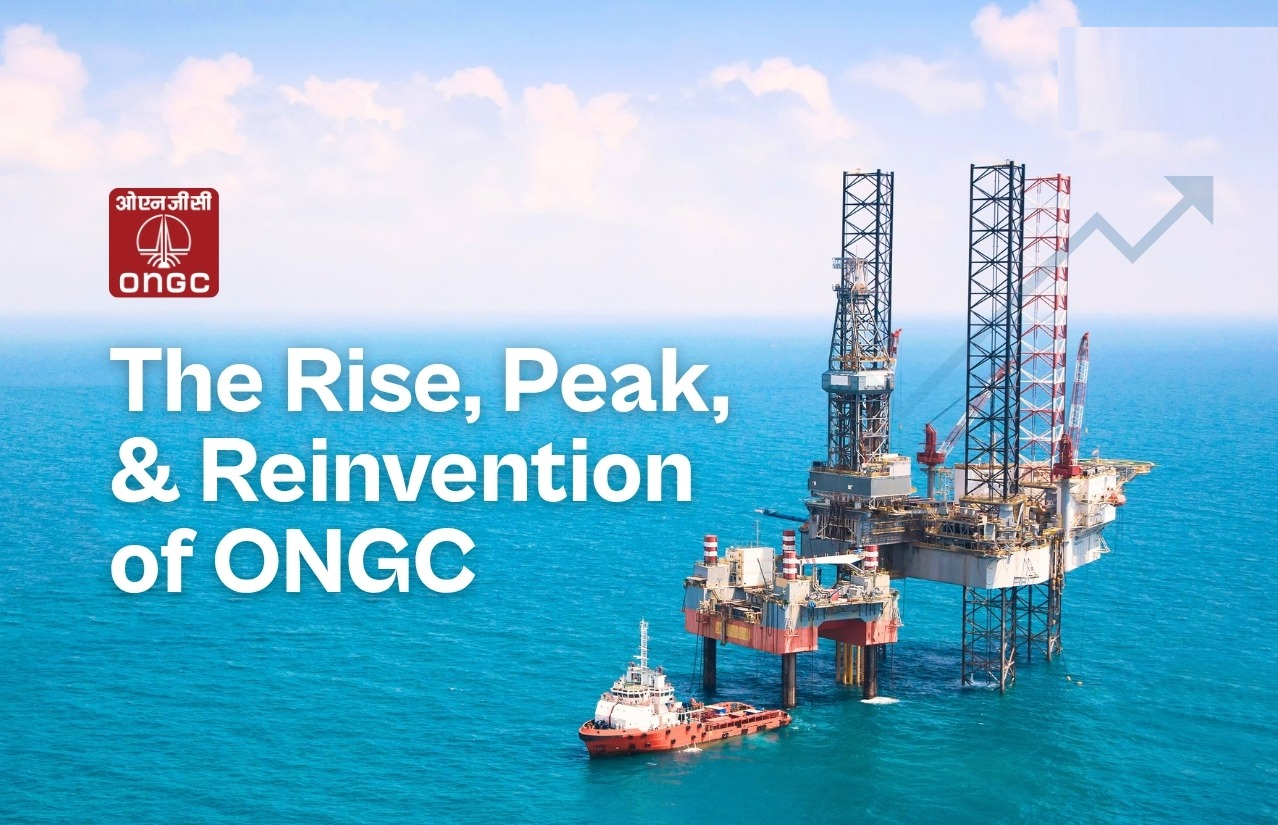
ONGC, Reliance, and the British company BP have joined forces to build a gas plant in the Mahanadi Basin, which will extract gas from deep seabeds. The entire project is estimated to cost $1 billion.
Mahanadi Basin Project
To reduce dependence on foreign imports, there is a growing emphasis on increasing natural gas production in the country. To this end, Oil and Natural Gas Corporation (ONGC), BP (British Petroleum), and Reliance Industries Limited (RIL) are working together to build a common offshore infrastructure (shared gas plant). The entire project is estimated to cost $1 billion (approximately Rs. 8,400 crore).
The project aims to extract natural gas from deep seas. The proposal, initiated by the Ministry of Petroleum and Natural Gas, is still in its preliminary stages. According to a report in the Economic Times, two industry officials familiar with the matter said stakeholders may soon appoint technical consultants to assess the project's feasibility.
What will be the benefit of the project?
The project's biggest benefit will be improved operational efficiency and reduced capital expenditure. Until now, the norm was for each company to set up separate plants for its exploration, costing billions of rupees. However, this new model will see all three companies utilize a common hub instead of making separate investments. This will reduce infrastructure costs and lower operating costs.
Often, undersea surveys uncover small, unimportant gas reserves. However, due to the high initial costs, companies abandon these reserves, deeming them commercially unviable. As mentioned, setting up a plant is incredibly expensive. Now, the partnership between these three companies will provide a new lease on life for smaller, stranded reserves. With the help of a common plant, even small gas wells can be efficiently harvested and extracted.
Based on the International North Sea Model
This project will be based on Europe's North Sea model. Here, two or three large companies first invest in infrastructure. Later, if a fourth company discovers gas in the area, it can supply its gas from the plant to these companies by paying a fixed rent or toll.
Under this scheme, two or three primary developers jointly build the infrastructure. Later, if a fourth company discovers gas in the area, it can supply its gas from the same plant by paying a fixed rent or toll to these companies. Currently, this plant is expected to take 3-4 years to complete.
Companies are currently considering what the structure should be. There are two options: the first is the "Floating Production, Storage and Offloading" (FPSO) technology. This is a large, ship-like plant that floats in the ocean and can be pre-assembled in a factory and then brought directly to the site. This saves time. The second option is to build a fixed structure of concrete and steel permanently under the sea, which is more time-consuming to build.