NEWS
The havoc of inflation and heat stroke in summer... The Iran war has a huge impact on your AC too.
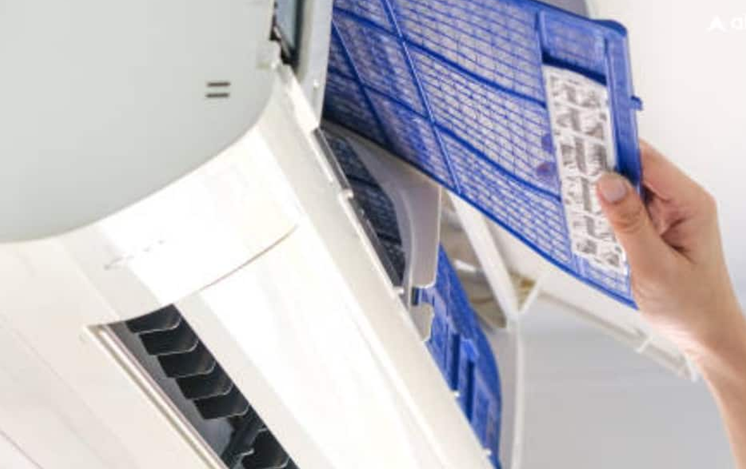
According to industry experts, LPG is used in many manufacturing processes, such as copper brazing and powder coating, while petrochemicals are essential for the production of polymers.
AC will be affected amid Iran war
On one hand, due to the Iran war, there is a crisis of Liquefied Petroleum Gas (LPG) across the country, while on the other hand, if this war continues for long, it is sure to affect the common people in different ways.
The peak summer season has just begun, but growing unrest in the Middle East has created new challenges for AC manufacturers. This is due to a shortage of LPG supplies and the declining availability of petrochemicals. These factors are impacting AC production.
Why is the production of AC affected?
According to industry experts, LPG is used in many manufacturing processes, such as copper brazing and powder coating. Petrochemicals are crucial for the production of polymers, which are used to make plastic and mechanical parts for AC units. Therefore, the shortage of raw materials is directly impacting production.
While the market hasn't seen a significant impact yet, if the situation in the Middle East doesn't improve soon, it could pose a significant challenge during the peak summer season. Customers already paying higher prices for ACs are likely to see another price increase between April and May. This means the war could directly impact people's pockets.
Why will the challenge increase?
According to a report in The Times of India, Vikas Gupta, MD (Operations) of PG Electroplast, a company manufacturing ACs and other white goods, said that production is already facing many challenges.
He explained that the availability of LPG and Piped Natural Gas (PNG), which are essential for the production of air conditioners and other products, is becoming a major problem. Furthermore, a shortage of petrochemicals is also impacting production, leading to difficulties in daily production.
Meanwhile, B. Thiagarajan, MD of Blue Star Limited, says that due to new energy policies, AC prices have already increased by about 5 percent. Therefore, prices may increase by another 8 to 10 percent in the future.