NEWS
The gas shortage could also lead to internet outages! Telecom companies warn of the LPG crisis!

Iran-Israel-US War: LPG shortages in India are no longer a concern confined to the kitchen. Ongoing tensions and conflict between the US, Israel, and Iran are putting increasing pressure on energy supplies.
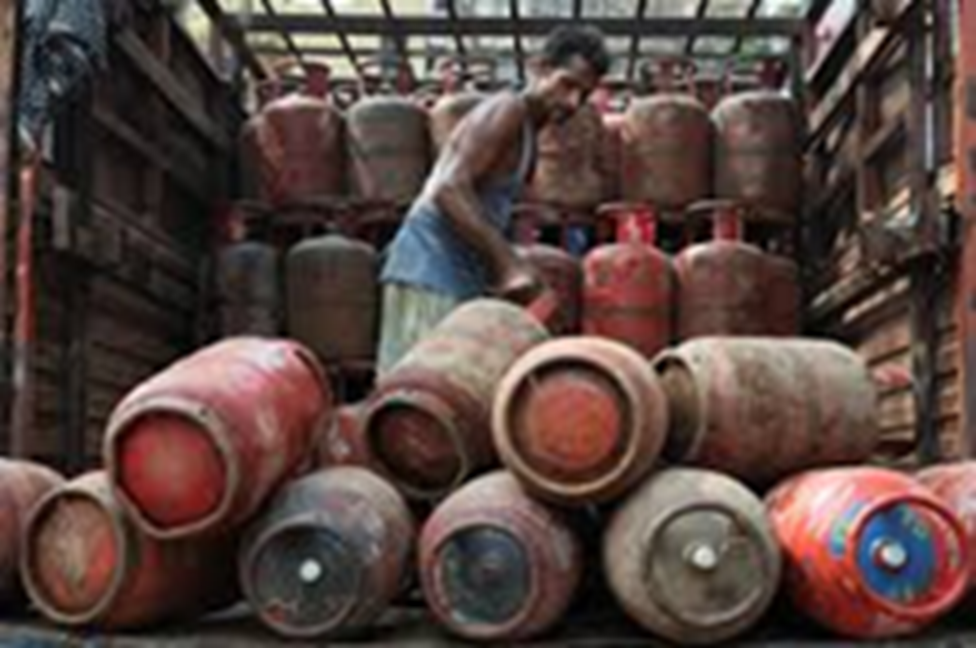
(After LPG, internet may also be shut down)
Iran-Israel-US War: LPG shortages in India are no longer limited to kitchens. The ongoing tensions and conflict between the US, Israel, and Iran are increasing pressure on energy supplies. Experts believe that if this situation persists for a long time, it could have indirect effects on mobile networks and internet services.
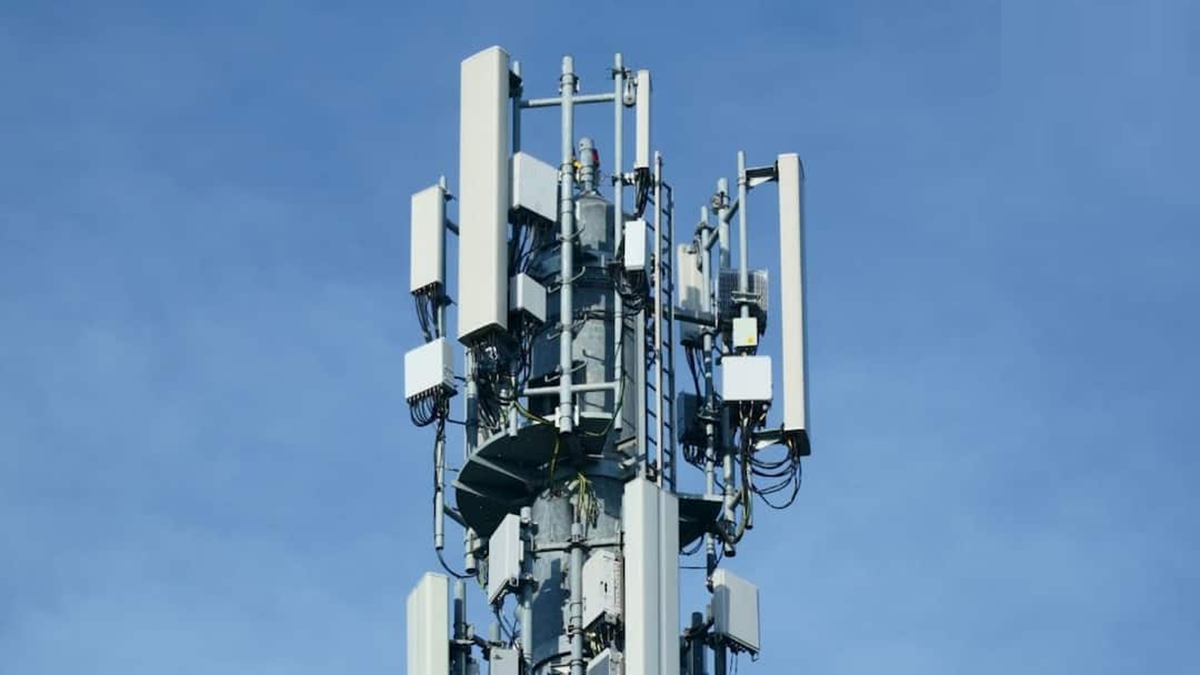
LPG is used in some industrial processes and is also a backup fuel for generators running telecom towers and data centers. Therefore, a supply disruption could put pressure on the operations of these facilities.
Pressure may increase on the operation of telecom towers
Telecom companies have other power options, but if the LPG shortage continues for a long time, their operating costs could increase. Minor network problems may also occur in some areas. According to the Digital Infrastructure Providers Association (DIPA), oil companies have stopped supplying LPG to telecom tower construction units following the government's directive to prioritize domestic consumers. However, mobile networks and internet services are currently operating normally across the country.
Why is continuous telecom connectivity important?
DIPA states that uninterrupted telecom networks are crucial not only for calls and internet access, but also for many critical services. 5G networks, national security operations, emergency services, digital government platforms, online transactions, and telemedicine all rely heavily on telecom networks. The organization also warns that continued supply disruptions could impact the construction of telecom infrastructure.
Telecom tower construction may also be affected
Galvanization plants in telecom tower manufacturing factories require constant fuel to keep the zinc in a molten state. Some companies have currently adopted low-flame operations to avoid damaging the plant.
However, if the supply is disrupted for a long time, these plants may have to remove the molten zinc and shut down production. Restarting such plants is a time-consuming process, which could delay tower construction.
Important demands made to the government
DIPA has requested the Department of Telecommunications to raise this issue with the Ministry of Power and state power companies. The organization wants telecom tower construction units exempted from the restrictions on LPG and LNG supplies. It also demands that telecom infrastructure and mobile towers be given priority power supply. If the situation persists for a long time, the pace of installation of new telecom towers could slow down, impacting network expansion in remote and poorly connected areas.
Gulf tensions raise global energy concerns
Meanwhile, rising tensions between the US and Iran have also raised concerns about oil supplies through the Strait of Hormuz, which accounts for approximately 20 percent of global oil and gas trade.
Although alternative routes exist, such as Saudi Arabia's East-West Pipeline and the UAE's Habshan-Fujairah Pipeline, which allow oil to reach global markets via land rather than sea routes, escalating tensions could impact global energy markets and lead to sharp price swings.