LIFESTYLE
The Centre has taken a major decision, imposing a strict ban on single-use medical devices in hospitals.
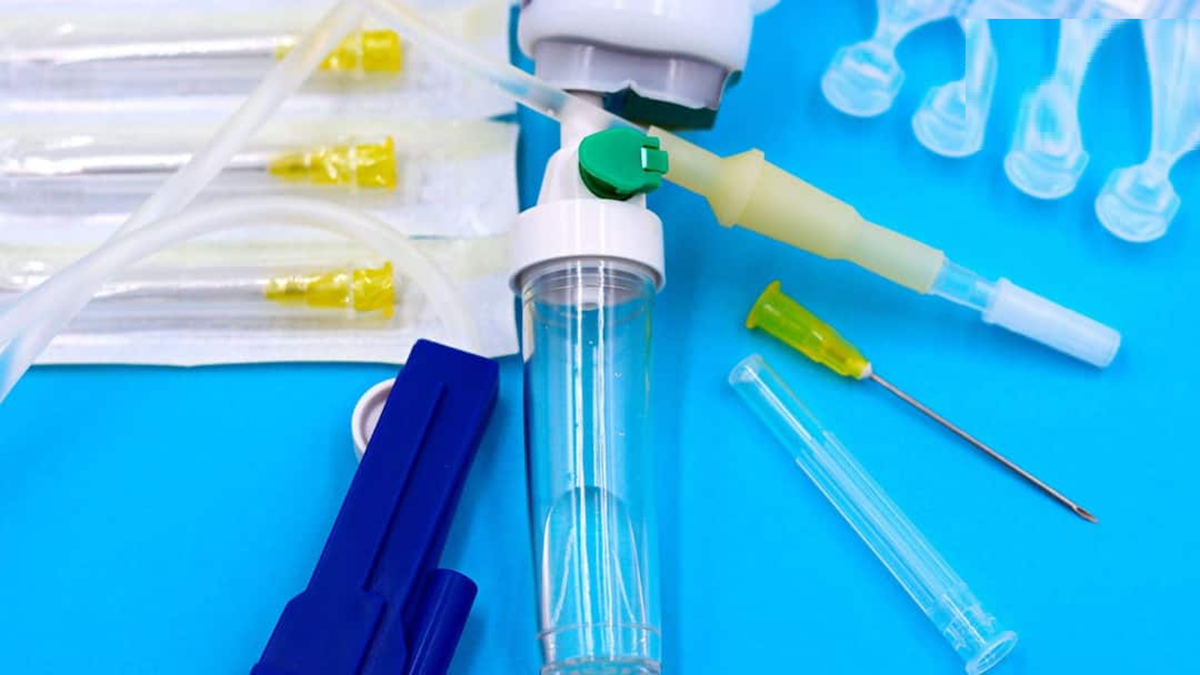
Keeping in mind the safety of patients and the risk of infection, the Central Government has completely banned the reuse of single-use medical equipment in all government and private hospitals in the country.
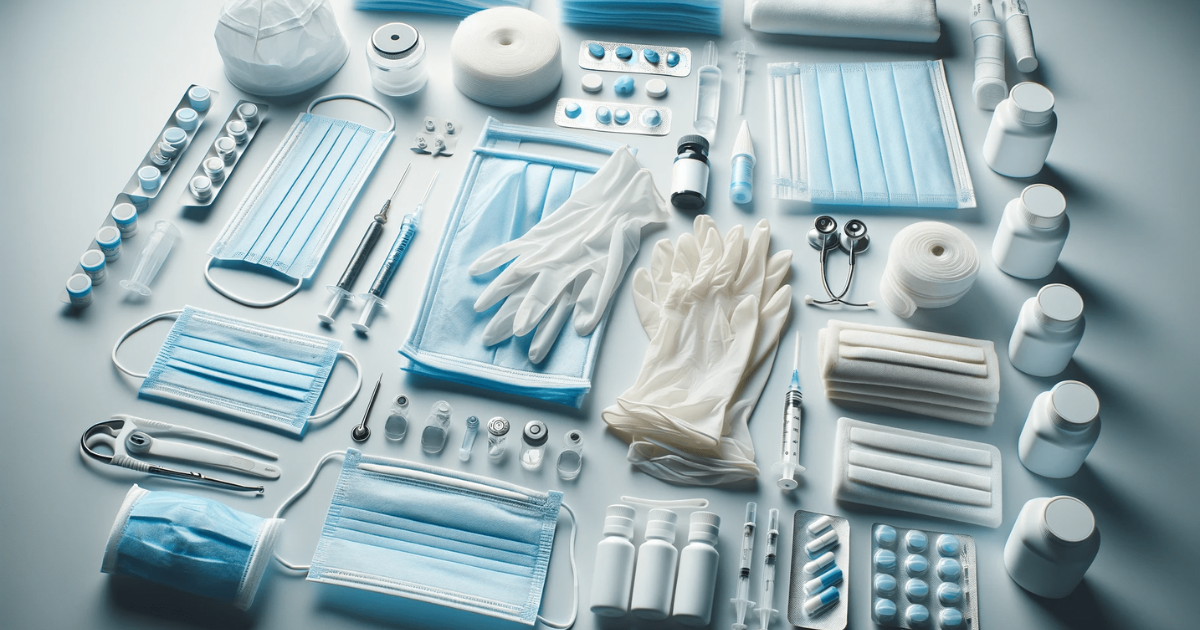
Single-use medical device ban
The central government has taken a very strict step to protect the health and rights of patients in hospitals across the country. The government has completely banned the reuse of single-use medical equipment in all government and private hospitals nationwide without washing or sanitizing them. According to an order issued by the Directorate General of Health Services (DGHS), this negligence by hospitals poses a risk of spreading serious infections among patients. The government has directed all states and union territories to immediately implement this decision to prevent the risk of patient lives being compromised.
There was a great risk of these serious diseases and infections.
According to senior Health Ministry officials, often-used instruments are not completely safe even after being sterilized. Old biological waste or bacteria can remain hidden on such instruments, which can then be directly transmitted to the patient's body.
The Directorate General of Health has warned that this negligence poses a high risk of spreading life-threatening diseases such as hepatitis B, hepatitis C, and HIV among patients. Furthermore, the burden of serious bacterial infections acquired in hospitals also increases for patients.
Negligence was taking place in the Cardiology and Nephrology departments.
A government investigation has revealed that expensive medical equipment was being reused in several major and important departments of hospitals. These include cardiac catheters, guidewires, and balloon catheters, primarily used in the cardiology department, which deals with heart diseases.
Additionally, cases of reuse of dialyzers and blood tubing used in nephrology, the treatment of kidney disease, have been detected. Departments such as cancer and neurosurgery have also received complaints of reuse of surgical staplers, laparoscopic trocars, and needles.
Robbing patients' pockets and violating rules
This major ban stems not only from health concerns, but also from financial fraud. The government had received reports that several well-known corporate hospitals were washing disposable equipment and using it on another patient, while charging the new patient for a new device.
The Directorate General of Health has clarified that this act is a direct violation of the Drugs and Cosmetics Act 1940, the Clinical Establishment Act 2010 and the stringent rules of biomedical waste management.
Instructions to all states for inspection and action
Following this new order from the central government, the health staff is now fully prepared. Chief Secretaries, Health Departments, and Drug Controllers of all states have been ordered to closely monitor hospitals in their respective areas. Teams of drug inspectors and health officials have been instructed to conduct surprise checks of government and private hospitals.
If any hospital is found violating the rules or reusing the equipment against the rules of the original manufacturer, strict legal action will be taken against it and the license of the hospital can also be cancelled.