TRAVEL
Thailand Travel Guide 2026: 8 Essential Tips for First-Time Visitors to Enjoy a Stress-Free Holiday
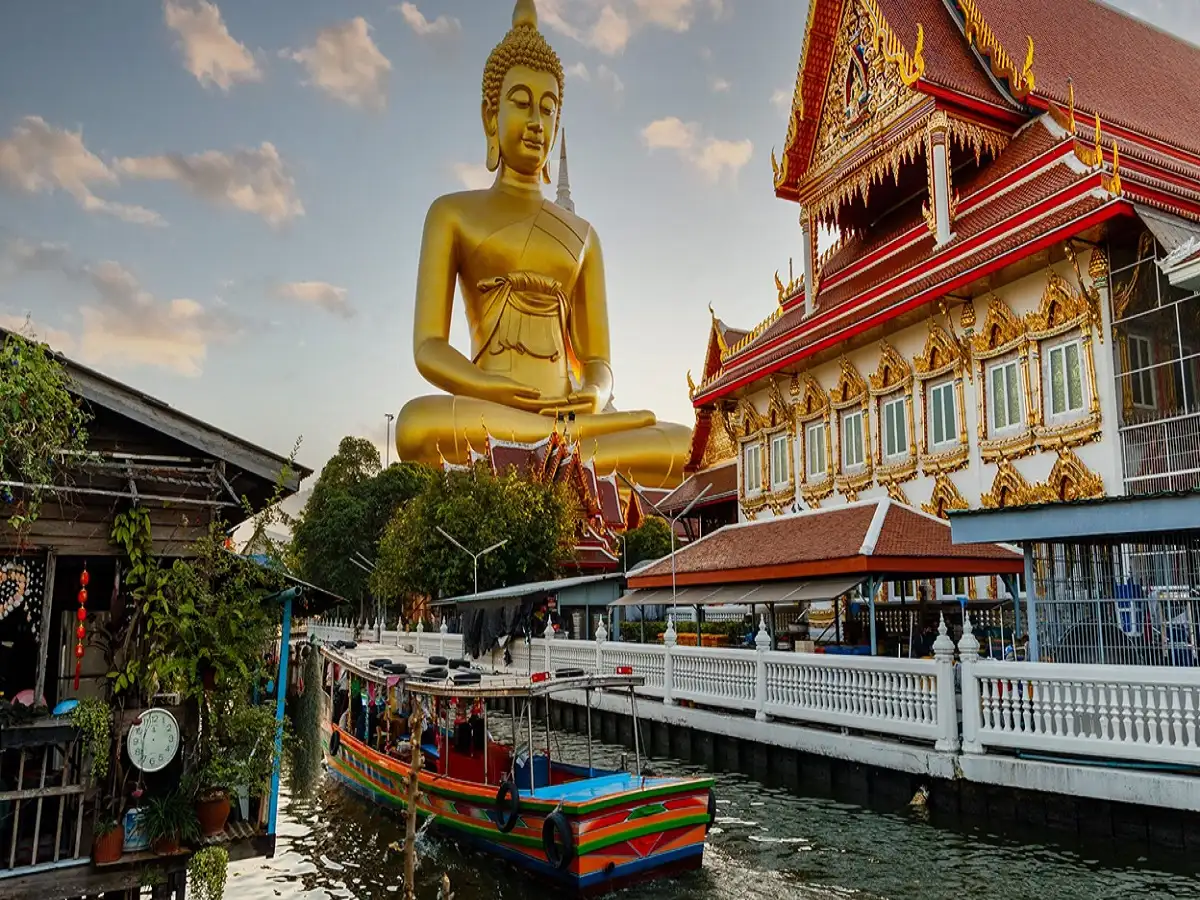
Thailand Travel Tips 2026: Planning your first international holiday can be exciting, especially when your destination is Thailand. Known for its tropical islands, beautiful beaches, vibrant cities, ancient temples and delicious street food, Thailand continues to attract travellers from around the world, including a large number of Indian tourists.
From the lively streets of Bangkok to the picturesque beaches of Phuket and Krabi, the country offers a wide range of experiences for couples, families, solo travellers and groups of friends.
However, visiting a foreign country for the first time requires more than booking flight tickets and choosing a hotel. Understanding local traditions, preparing for tropical weather and arranging essential travel services can make a significant difference to your holiday.
If Thailand is on your upcoming travel list, these eight practical tips can help you avoid common mistakes and enjoy a more comfortable journey.
1. Protect Yourself From Mosquito Bites
Thailand's tropical climate creates favourable conditions for mosquitoes, particularly during the rainy season and in areas surrounded by vegetation or standing water.
Mosquito-borne illnesses, including dengue, are a health concern in several parts of the country.
Travellers should carry an effective mosquito repellent and apply it according to the manufacturer's instructions, especially when spending time outdoors.
Wearing lightweight, long-sleeved clothing can provide additional protection in mosquito-prone locations.
Visitors staying near forests, gardens or rural areas should be particularly careful about preventing mosquito bites.
Taking these simple precautions can reduce health risks and help prevent unexpected disruptions to your holiday.
2. Arrange Mobile Internet Before Starting Your Trip
Reliable internet access can make travelling through Thailand considerably easier.
Whether you need directions to your hotel, want to book transportation, check restaurant reviews or contact family members in India, a working mobile connection is extremely useful.
Travellers generally have three options: activating international roaming through their existing mobile operator, purchasing a local tourist SIM card or installing an eSIM on a compatible smartphone.
Before leaving India, compare the available data plans, validity periods and network coverage.
If you choose an eSIM, check whether your phone supports the service and whether it can be activated before departure.
It is also helpful to download offline maps of the cities and islands you intend to visit.
This ensures you can still access important directions if your mobile network becomes unavailable.
3. Use a Translation App to Communicate Easily
English is commonly used in major tourist areas, international hotels and popular shopping destinations across Thailand.
However, communicating in English may be more difficult in smaller towns, local markets, traditional restaurants and less tourist-oriented neighbourhoods.
Installing a translation application before travelling can help overcome these language barriers.
Google Translate and similar applications can assist with basic conversations, menus, directions and written information.
Travellers should also save their hotel name and address in Thai.
This can be particularly helpful when communicating with taxi drivers or asking local residents for directions.
Learning a few basic Thai greetings and polite expressions can also make everyday interactions more pleasant.
4. Understand Local Customs Before Visiting Temples
Thailand has a rich cultural heritage, and Buddhist traditions influence many aspects of everyday life.
Visitors should be respectful when entering temples, religious monuments and other culturally significant locations.
Many temples require visitors to wear clothing that covers their shoulders and knees. Beachwear and revealing outfits may not be permitted in certain religious areas.
You may also be required to remove your shoes before entering designated spaces.
Another important cultural consideration involves showing respect for people's personal space and religious customs.
Touching someone's head can be considered inappropriate, while pointing your feet towards sacred objects or religious images is generally discouraged.
Travellers should also handle Thai currency respectfully because banknotes feature the country's monarch.
Understanding these customs helps visitors avoid unintentionally offending local residents.
5. Carry Sunscreen and Stay Hydrated
Thailand's tropical sunshine can be intense, particularly during outdoor sightseeing, beach activities and island excursions.
Long periods of exposure to ultraviolet radiation may lead to sunburn and other skin-related problems.
Travellers should pack a broad-spectrum sunscreen with SPF 30 or higher and reapply it as directed, especially after swimming or sweating.
A comfortable hat, UV-protective sunglasses and lightweight clothing can provide additional protection.
Drinking sufficient water is equally important because hot and humid weather can increase fluid loss through sweating.
Carrying a reusable water bottle and taking occasional breaks in shaded areas can make sightseeing more comfortable.
Visitors should also consider scheduling demanding outdoor activities during cooler parts of the day whenever possible.
6. Choose Comfortable Clothes for Thailand's Weather
Packing appropriate clothing is essential for enjoying Thailand's tropical environment.
In many destinations, temperatures remain warm for much of the year, although rainfall and seasonal conditions vary by region.
Lightweight cotton and linen outfits are practical choices because they allow better airflow and are generally comfortable in humid weather.
Quick-drying clothes can be useful for beach visits, boat rides and water-based activities.
Travellers should also carry comfortable walking shoes or sandals suitable for sightseeing.
If your itinerary includes religious sites, pack modest clothing or a lightweight cover-up that meets local dress expectations.
A compact rain jacket or umbrella may also be useful, particularly when travelling during periods of frequent rainfall.
7. Check Passport, Entry Rules and Travel Insurance
Before departing for Thailand, travellers should carefully review the entry requirements applicable to their nationality.
Indian passport holders should confirm the latest visa exemption or visa requirements, permitted duration of stay, passport validity conditions and any mandatory arrival documentation.
Immigration rules can change, so travellers should rely on official Thai government and embassy sources rather than outdated social media posts.
It is also advisable to keep digital and printed copies of important documents, including flight tickets, accommodation reservations and travel insurance details.
Although travel insurance may not be compulsory for every visitor, suitable coverage can help manage unexpected medical expenses, lost baggage and certain travel disruptions.
Review the policy carefully to understand exclusions, coverage limits and any conditions relating to adventure activities.
8. Plan Your Budget and Use Reliable Transportation
Thailand offers accommodation, dining and sightseeing options across different budgets, but expenses can vary considerably between destinations.
Popular tourist locations and island resorts may be more expensive than smaller towns or less crowded areas.
Before travelling, estimate your spending on hotels, meals, local transportation, attractions and shopping.
Keeping some Thai baht in cash can be useful for small purchases, street food stalls and markets where card payments may not be available.
For local transportation, use reputable taxi operators, authorised airport services or established ride-booking applications where available.
Check estimated fares before beginning a journey and confirm whether a taxi meter will be used.
Travellers renting motorcycles or other vehicles should verify licensing requirements, insurance conditions and local traffic regulations.
Avoid handing over your passport as security unless absolutely required and permitted, and read rental agreements carefully.
Best Places to Visit in Thailand for First-Time Travellers
Thailand offers a variety of destinations depending on your interests and travel budget.
Bangkok: The capital is famous for its shopping districts, temples, street food, nightlife and busy urban atmosphere.
Phuket: Known for its beaches, resorts and island excursions, Phuket is popular among travellers looking for coastal experiences.
Krabi: With dramatic limestone cliffs, scenic beaches and boat excursions, Krabi is an appealing destination for nature lovers.
Chiang Mai: Located in northern Thailand, Chiang Mai attracts visitors interested in temples, cultural experiences, traditional markets and surrounding mountain landscapes.
Pattaya: This coastal destination offers entertainment, beaches and recreational activities within reach of Bangkok.
First-time visitors should avoid trying to cover too many destinations within a short holiday. Allowing enough time for travel and relaxation can make the experience more enjoyable.
Final Travel Advice for Your Thailand Holiday
A successful international holiday begins with sensible preparation.
For first-time visitors, arranging mobile connectivity, respecting local traditions, carrying appropriate clothing and taking precautions against mosquitoes and strong sunlight can help prevent common travel problems.
Checking entry requirements, planning a realistic budget and choosing reliable transportation are equally important.
Thailand offers an appealing combination of natural beauty, cultural attractions, food and entertainment. With thoughtful planning, visitors can explore the country comfortably while making the most of their time abroad.
Travel Reminder: Before departure, verify current immigration requirements, weather conditions and travel advisories through official sources, as regulations and local conditions may change.