NEWS
Sunset Eclipse 2026: People will yearn to capture it on camera, there will be chaos in the sky!
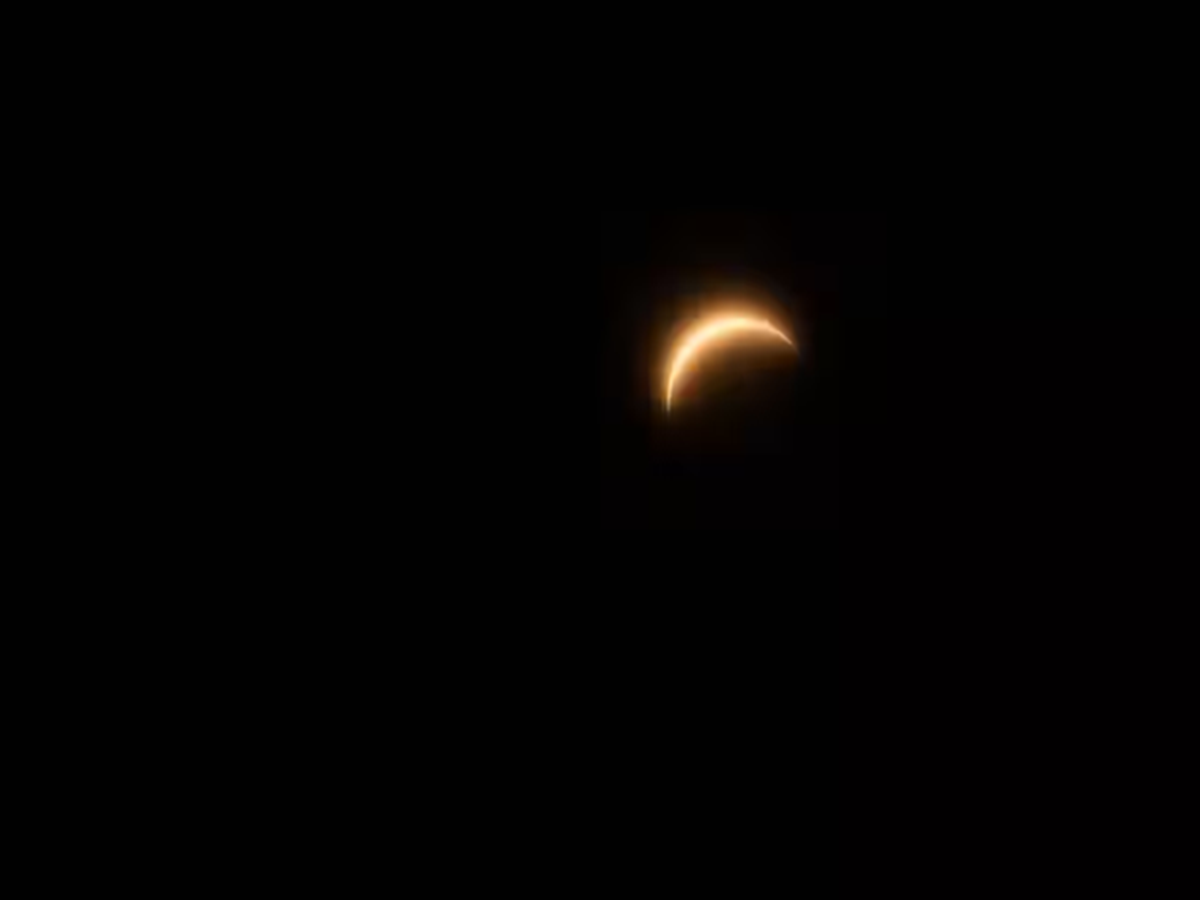
Eclipse Visibility: A solar eclipse is considered one of the most special. When the moon briefly obscures the sun, daylight suddenly feels like evening.
rare sunset eclipse
Rare Sunset Eclipse On August 12, 2026: Astronomical events in the sky always fascinate people, but a solar eclipse is considered the most special of them all. When the moon briefly obscures the sun, daylight suddenly feels like evening. Temperatures drop slightly, bird calls subside, and the glowing outer layer around the sun creates a stunning sight. One such rare sight will be seen on August 12, 2026, known as a "sunset eclipse."
Where will the solar eclipse be visible?
According to NASA, this total solar eclipse will be visible in Greenland, Iceland, northern Russia, the Atlantic Ocean, Spain, and a small portion of Portugal. Significantly, this will be the first time Europe has witnessed such a total solar eclipse since 1999. Spain will be even more special, as the Iberian Peninsula last witnessed a total solar eclipse in 1912.
What is a sunset eclipse?
The name 'Sunset Eclipse' is given because this eclipse will be visible at sunset. According to NASA, people in the western parts of the eclipse path will see a partial eclipse even at sunset. According to BBC Sky at Night, in Spain this event will occur during the golden hour, when the sun is very close to the horizon. In this situation, the combination of eclipse and sunset can create a very spectacular sight. The view can be even better from the coastal areas of the Mediterranean due to the relatively clear horizon.
How long will the experience last?
According to NASA, most eclipse viewers will experience totality for less than two minutes. In Greenland, Russia, and parts of the North Atlantic, the duration could be as long as two and a half minutes. While this is a short time, it's considered a significant event for astronomical enthusiasts.
Will it be visible in India too?
As for India, this rare solar eclipse will not be visible from most parts of the country. NASA's visibility map does not include India among the eclipse viewing areas. Although some eclipse calculation websites claim that approximately 14 percent of the sun may appear obscured in the extreme northern regions of Ladakh and Jammu and Kashmir, this has not been officially confirmed.
How can we see this?
If you ever plan to view a solar eclipse, it's important to take special safety precautions. Experts say that looking directly at the sun without protection can cause serious eye damage. Only special eclipse glasses meeting the ISO 12312-2 standard should be used to view the eclipse. Regular sunglasses are not safe.