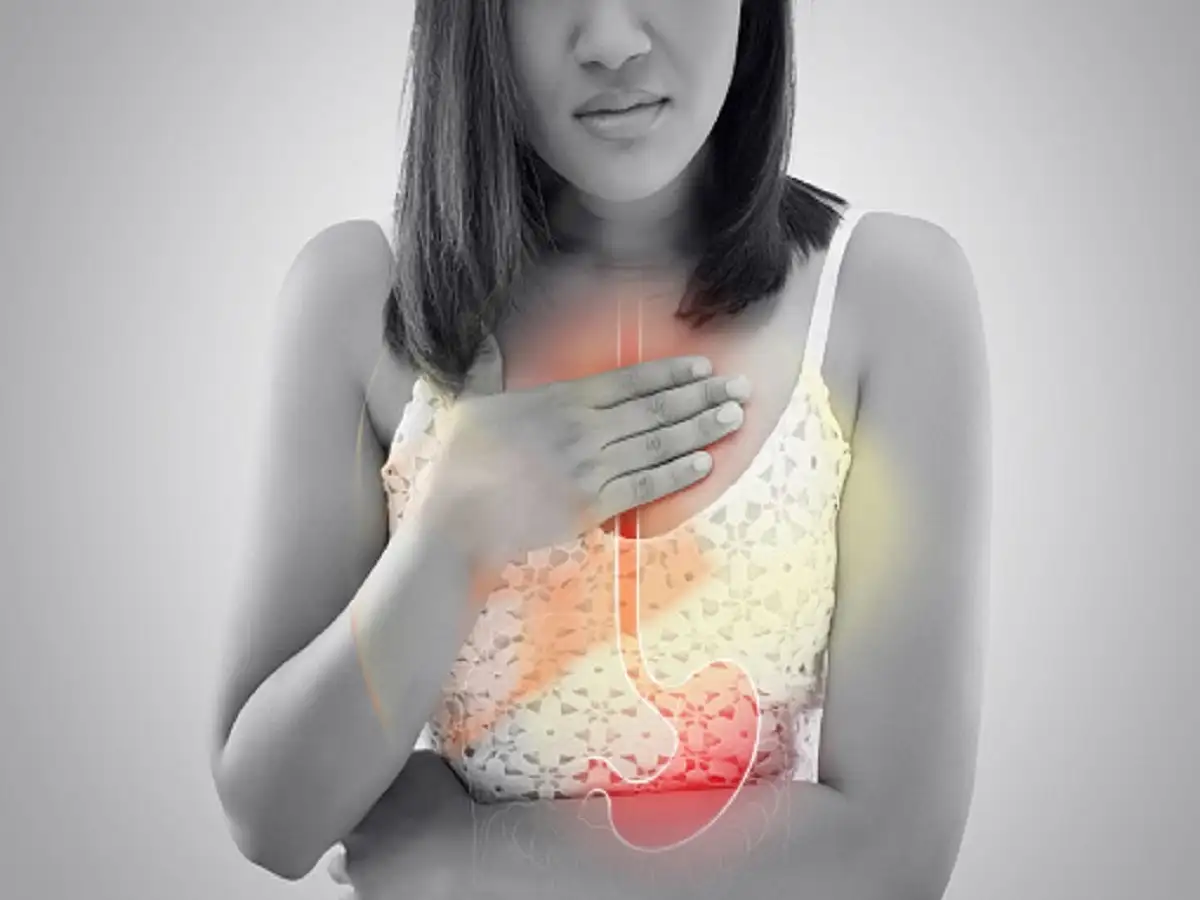
Burping after a meal is a normal part of digestion, as it helps release excess air trapped in the stomach. However, if your burps have a sour or acidic taste, it may indicate that stomach acid is moving back into the food pipe. While occasional sour burps are usually not a cause for concern, frequent episodes may point to an underlying digestive issue that should not be ignored.
Here are some of the most common reasons why sour burps occur and what you can do to reduce them.
1. Eating Spicy or Oily Foods
Foods that are rich in oil, fat, or strong spices can increase stomach acid production and may irritate the digestive tract. This can make acid reflux and sour burps more likely, especially in sensitive individuals.
2. Overeating
Eating large meals puts extra pressure on the stomach, slowing digestion and increasing the chances of stomach acid flowing back into the esophagus. Smaller, balanced meals are generally easier to digest.
3. Lying Down Immediately After Meals
Going to bed or lying down soon after eating can allow stomach acid to travel upward into the esophagus, leading to sour burps, acid reflux, and heartburn.
Health experts commonly recommend waiting at least two to three hours after a meal before lying down.
4. Acid Reflux or GERD
Frequent sour burps may be a symptom of gastroesophageal reflux disease (GERD), a condition in which stomach acid repeatedly flows back into the esophagus.
Other common symptoms include:
- Heartburn
- Sour taste in the mouth
- Chest discomfort
- Difficulty swallowing in some cases
Persistent symptoms should be evaluated by a healthcare professional.
5. Lifestyle Habits
Certain daily habits can increase acid production or relax the valve between the stomach and esophagus, including:
- Excessive tea or coffee
- Alcohol consumption
- Carbonated beverages
- Smoking
Reducing these triggers may help improve digestive comfort.
6. Indigestion and Other Digestive Problems
Conditions such as indigestion, gastritis, excessive gas, or delayed stomach emptying can also contribute to repeated sour burps and digestive discomfort.
Tips to Help Reduce Sour Burps
Simple lifestyle changes can often help reduce occasional sour burps:
- Eat smaller meals instead of overeating.
- Limit spicy, fried, and fatty foods.
- Avoid lying down immediately after eating.
- Reduce caffeine, alcohol, and fizzy drinks if they trigger symptoms.
- Stay well hydrated throughout the day.
- Maintain a healthy body weight.
- Avoid smoking.
- Eat slowly and chew food thoroughly.
When Should You See a Doctor?
Medical evaluation is recommended if sour burps:
- Occur frequently for several weeks.
- Are accompanied by severe heartburn.
- Cause difficulty swallowing.
- Occur with unexplained weight loss.
- Are associated with persistent vomiting, black stools, or severe abdominal pain.
These symptoms may require further investigation and treatment.
The Bottom Line
Occasional sour burps are common and are often linked to eating habits or temporary indigestion. However, frequent acidic burps may be a sign of acid reflux or another digestive condition. Healthy eating habits, lifestyle changes, and timely medical advice can help manage the problem effectively.
Disclaimer: This article is for informational purposes only and should not be considered medical advice. If you experience persistent or severe digestive symptoms, consult a qualified healthcare professional for proper evaluation and treatment.