LIFESTYLE
Soft Roti Tips: Do rotis dry out after cooling? If you make them this way, they will stay soft until evening.
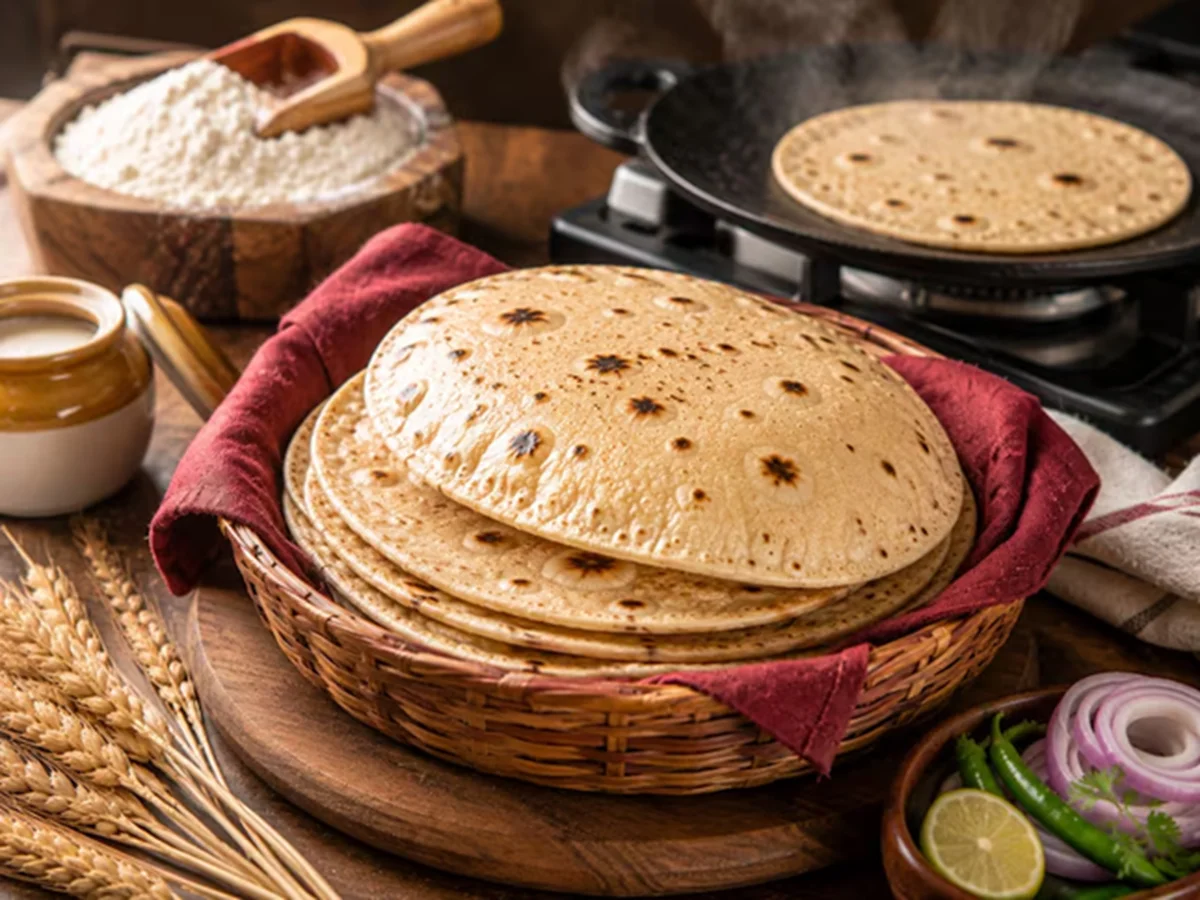
Roti Cooking Tips: The key to making soft rotis is kneading the dough. If the dough is too dry, the rotis will harden quickly after being made. Lukewarm water can be used to knead the dough.
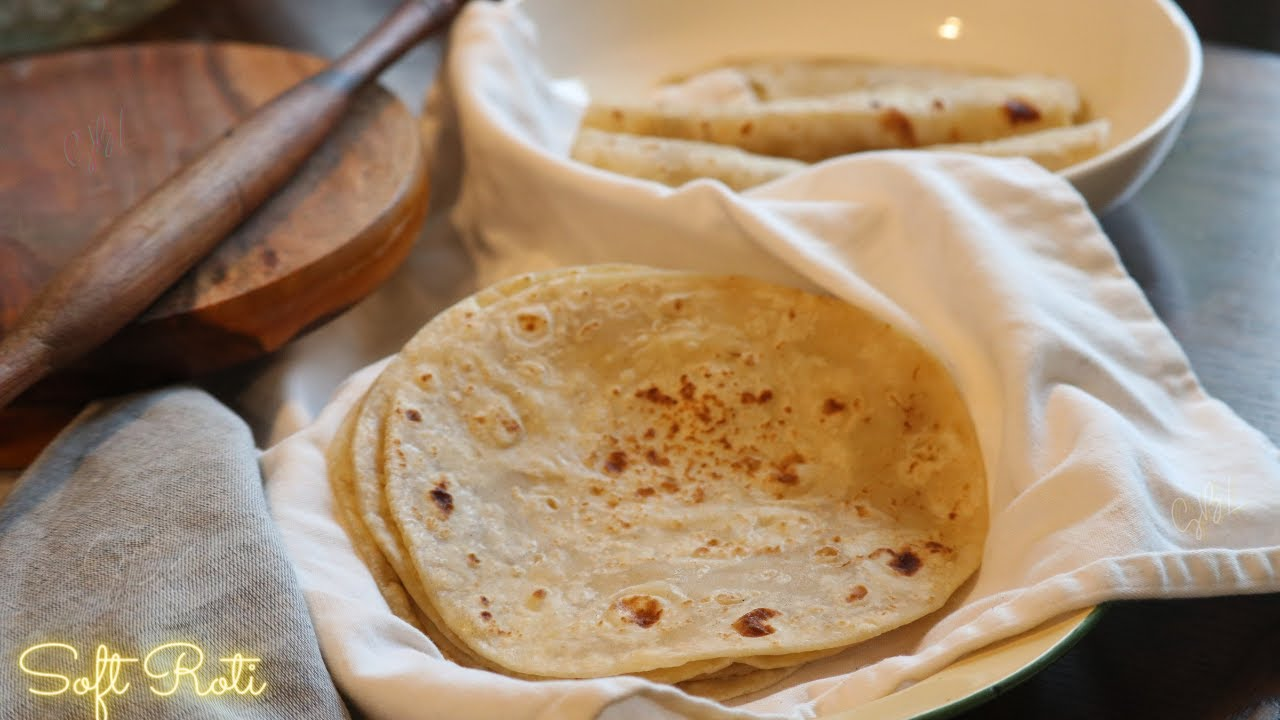
How to keep rotis soft for a long time?
How to Keep Rotis Soft for Hours: It often happens at home that the rotis are soft and puffed up when they are taken out from the pan, but after a few hours, when they are taken out for eating, both their taste and texture have changed. The roti becomes dry and hard, and sometimes even after reheating it, it does not feel as soft as the freshly made roti. If in your house too, the rotis become hard after being made in the afternoon and kept till evening, then the reason for this is not just the method of making the roti. From kneading the dough to baking the roti and then storing it, every step has an impact on its softness.
The key to soft roti starts with kneading the dough. If the flour is too dry, the roti will harden quickly after being made. Lukewarm water can be used to knead the dough. Add water gradually and knead the dough thoroughly, ensuring the moisture is thoroughly incorporated into the flour. The dough should neither be too stiff nor so wet that it sticks to your hands. The right dough is one that feels soft and pliable. This dough also makes it easy to roll and helps retain moisture within the roti.
Knead the dough properly, not just vigorously
There's no need to exert too much force when kneading the dough. Kneading the dough continuously and at a steady pace for a few minutes improves its texture. This helps the gluten strands in the flour to form properly, giving the roti its elasticity and softness. After kneading, it's also important to cover the dough for a while. This allows the dough to absorb moisture and rest. This reduces cracks when rolling out the roti, preventing it from becoming dry.
The temperature of the pan also makes a big difference.
Baking roti on too high a flame can cause the outer layer to dry out quickly, while the inner layer doesn't cook properly. On the other hand, baking roti on too low a flame can leave it exposed to heat for too long and cause it to harden. Therefore, heat the pan thoroughly and bake the roti on medium to high heat. The right temperature helps roti cook faster and retains the steam generated inside. When roti rises well, it retains moisture and warmth, which helps keep it soft after cooling.
Do not leave it open immediately after removing it from the pan.
Steam plays a significant role in keeping rotis soft. If rotis are left uncovered after being removed from the pan, the moisture present in them rapidly escapes. This is why the surface of the roti may feel dry and hard after some time. As soon as the rotis are made, stack them one on top of the other and cover them immediately. The steam generated by the hot rotis stacked together helps maintain their softness. It is therefore important to keep rotis covered rather than uncovered, especially if they are to be eaten after several hours.
The method of storing the rotis should also be correct.
A clean cotton cloth can be used to store rotis. Wrapping rotis in cloth prevents moisture from escaping quickly. If foil is used, allow the rotis to cool slightly before storing them in the foil. Immediately enclosing very hot rotis in foil can cause steam to condense inside, resulting in soggy or sticky rotis instead of remaining soft. Therefore, it is important to maintain the right balance between heat and moisture when storing rotis.
Place the rotis one above the other.
Instead of storing rotis vertically, it's better to stack them one on top of the other. This helps them maintain their shape and retain heat and moisture more evenly. Avoid repeatedly folding or tearing them while making them, as this can cause the steam inside to escape quickly. If rotis are to be made in advance, they can be lightly steamed again before eating. Use a covered pot or container that retains heat. This can help restore the softness of the rotis.
Not just one trick; the whole process is important.
There's no single magic trick to keeping rotis soft until evening. The right amount of moisture in the flour, kneading thoroughly, letting the dough rest, the right temperature of the pan, cooking the rotis properly, and covering them properly after they're removed from the pan all matter. If the dough is prepared correctly, the rotis aren't overcooked, and their moisture is maintained after they're cooked, rotis can remain quite soft even after a few hours. This means that the softness of a roti isn't solely determined by the pan, but rather depends on the entire process, from preparation to consumption.