NEWS
Soap and Cooking Oil Prices Likely to Rise Soon: What’s Driving the Hike and How It Will Impact Your Budget
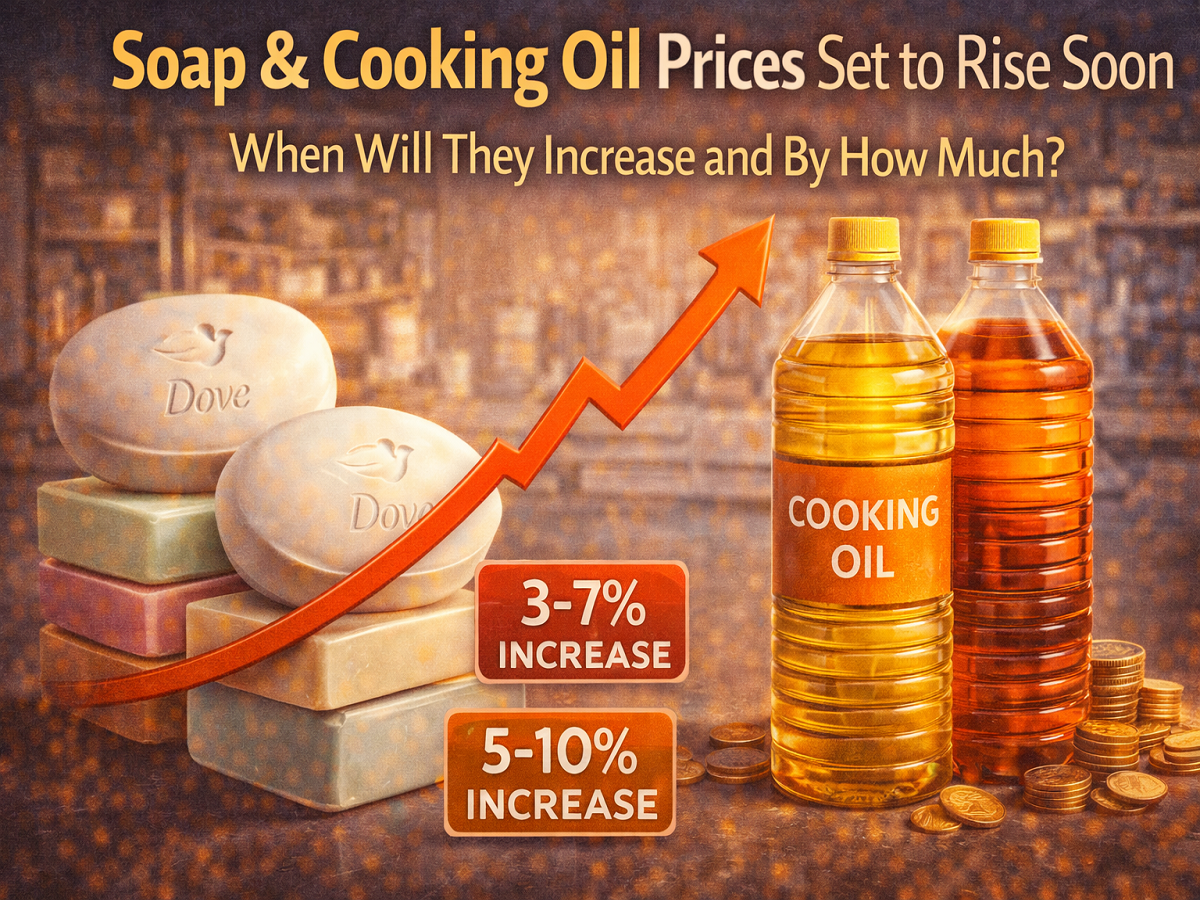
In a fresh blow to household budgets already strained by inflation, essential daily-use items like cooking oil and soap are expected to become more expensive in the coming weeks. These products are staples in almost every home, and even a small price increase can significantly affect monthly expenses.
Early signals from the market suggest that companies may soon revise prices upward, making it important for consumers to understand the reasons behind the hike and how to prepare for it.
Why Are Prices Increasing?
The expected price rise in cooking oil and soap is largely driven by an increase in raw material costs and global market trends.
For cooking oil, the primary reason is the surge in international prices of key inputs such as palm oil, soybean oil, and sunflower oil. These oils are widely used in India, and a large portion is imported. Rising global demand, supply disruptions, and higher import costs have pushed prices upward.
Additionally, logistics and transportation costs have also increased, further adding pressure on companies.
In the case of soap, the cost of raw materials like fatty acids and essential chemicals has gone up. These components are critical for manufacturing personal care products, and any increase in their price directly impacts the final product cost.
When Will the Price Hike Take Effect?
According to market trends and industry indications, the price increase is likely to be implemented gradually over the next few weeks. Companies are expected to adopt a phased approach rather than a sudden spike, to avoid shocking consumers and maintain demand stability.
Some manufacturers have already hinted that if input costs continue to rise, revising prices will become unavoidable.
How Much Could Prices Increase?
While the exact hike may vary across brands and regions, early estimates suggest:
- Cooking oil prices may increase by 5% to 10%
- Soap prices could rise by 3% to 7%
Although these percentages may seem modest, their cumulative effect on daily expenses can be substantial, especially for middle- and lower-income households.
Impact on Household Budgets
Products like cooking oil and soap are non-negotiable essentials. Any increase in their price directly raises monthly household expenditure.
For families already managing tight budgets, this additional burden can be challenging. With inflation affecting multiple sectors simultaneously, even small hikes in everyday items can add up quickly.
Why Companies Are Raising Prices
Manufacturers argue that absorbing rising costs indefinitely is not sustainable. The continuous increase in raw material prices, packaging costs, and transportation expenses is squeezing profit margins.
To maintain business viability, companies are left with limited options—either reduce margins or pass on part of the cost to consumers. Most are choosing a balanced approach by implementing gradual price hikes.
Is There Any Chance of Relief?
There is still a possibility of some relief, depending on global and domestic factors.
- If international prices of edible oils stabilize, domestic prices may also ease
- Government intervention, such as reducing import duties, could help control costs
- Increased supply and competition in the market may prevent steep price hikes
However, until these factors improve, consumers should be prepared for higher prices in the short term.
Smart Ways to Manage Your Budget
With rising costs, a few simple strategies can help you stay in control of your expenses:
- Buy in bulk during discounts or sales
- Compare prices across brands before purchasing
- Avoid unnecessary stockpiling but plan ahead
- Explore alternative or budget-friendly brands
Small adjustments in shopping habits can make a noticeable difference over time.
Final Thoughts
The expected rise in cooking oil and soap prices is another reminder of how global trends and supply chains directly impact everyday life. While the increase may not be drastic individually, its effect on overall expenses cannot be ignored.
Being informed and planning ahead can help households manage this change more effectively. As the situation evolves, keeping an eye on market trends and government measures will be key to navigating rising costs.