LIFESTYLE
Sneezing Every Morning After Waking Up? Know the Common Causes and 5 Simple Ways to Get Relief
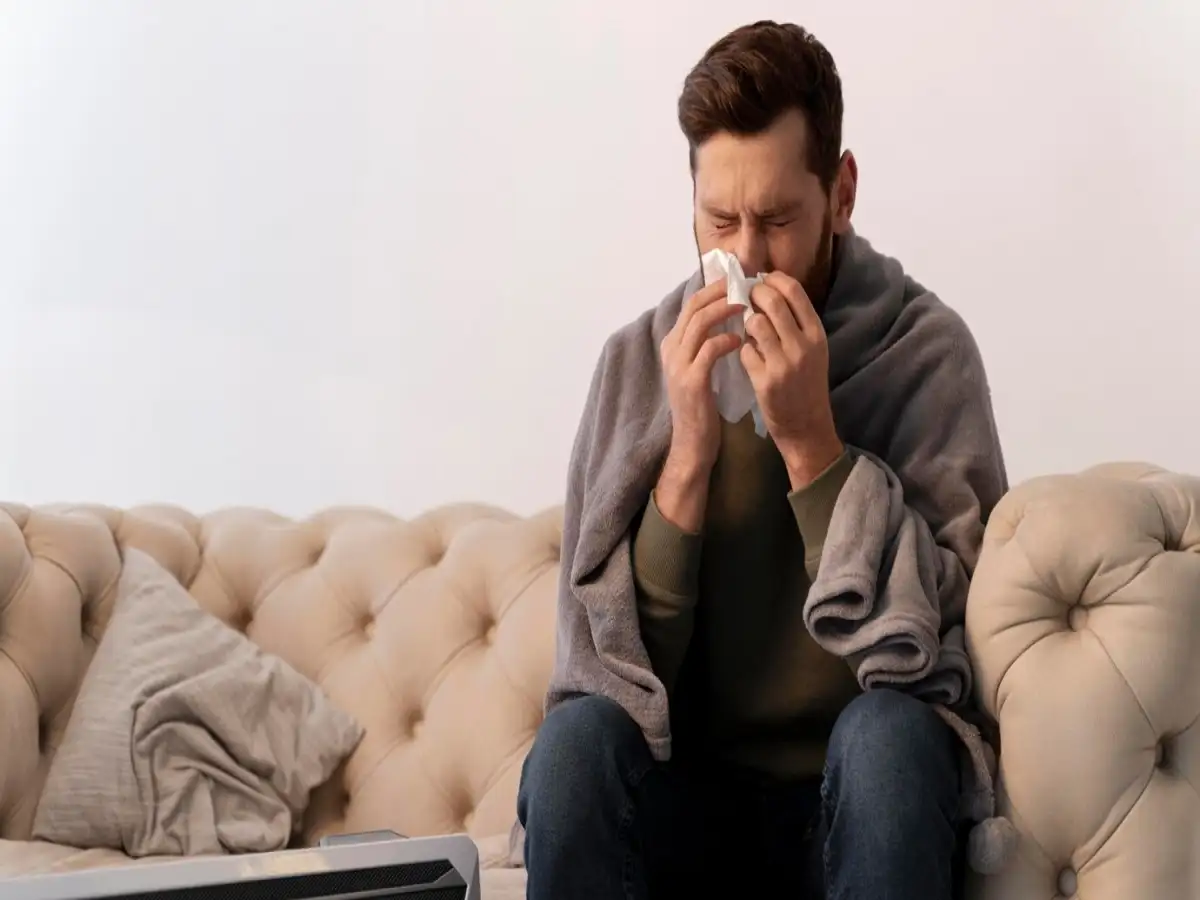
Morning Sneezing Causes and Remedies: Do you start sneezing repeatedly as soon as you get out of bed? Does your nose feel itchy, blocked or unusually runny during the first few minutes of the day? While occasional sneezing is a normal bodily response, experiencing these symptoms almost every morning could indicate an underlying allergy or irritation affecting your nasal passages.
Many people notice that their symptoms are particularly troublesome immediately after waking up. Dust particles, microscopic dust mites living in bedding, pollen, pet allergens and sudden temperature changes are among the possible triggers.
In some cases, the problem may be associated with allergic rhinitis, commonly known as nasal allergies or hay fever. However, morning sneezing is not always caused by an allergic reaction.
Understanding the possible causes and identifying personal triggers can help reduce discomfort and improve respiratory health.
Why Do Some People Sneeze Repeatedly in the Morning?
Sneezing is a protective reflex that helps the body remove irritating particles from the nose.
When substances such as dust, pollen or other airborne particles enter the nasal passages, the nerves lining the nose may trigger a sneeze.
For people with sensitive nasal passages, this response can occur repeatedly.
One of the most common explanations for frequent morning sneezing is allergic rhinitis, a condition in which the immune system reacts to substances that are generally harmless to most people.
These substances are known as allergens.
When someone with allergic rhinitis encounters an allergen, the immune system releases chemicals, including histamine, that contribute to symptoms such as sneezing, itching, nasal congestion and a runny nose.
Symptoms may become particularly noticeable after spending several hours in a bedroom where allergens have accumulated.
1. Dust Mites in Pillows and Mattresses
Dust mites are microscopic organisms commonly found in household dust, particularly in mattresses, pillows, carpets and upholstered furniture.
They thrive in environments where warmth and humidity are suitable.
Dust mite allergens, especially proteins found in their waste particles and body fragments, can trigger allergic reactions in sensitive individuals.
Because people spend several hours sleeping close to pillows and mattresses, exposure to these allergens may contribute to sneezing immediately after waking.
Common symptoms include an itchy nose, watery eyes, repeated sneezing and nasal congestion.
Regular cleaning and appropriate bedding care may help reduce exposure.
2. Pollen and Seasonal Allergies
Pollen released by trees, grasses and weeds is another common cause of allergic rhinitis.
People who are sensitive to pollen may notice that their symptoms become worse during particular seasons.
Pollen can enter homes through open windows, doors, clothing and other outdoor items.
When pollen levels are elevated, sensitive individuals may experience frequent sneezing, itchy eyes and a runny nose.
Morning symptoms can also occur when outdoor pollen exposure increases after leaving the bedroom or opening windows.
However, pollen patterns vary by location, weather conditions and plant species.
Identifying the specific allergen may help determine which preventive measures are most useful.
3. Pet Dander and Indoor Allergens
Dogs, cats and other household pets can contribute to allergic symptoms in some people.
Pet allergies are commonly triggered by proteins found in animal skin flakes, saliva and other secretions rather than by fur alone.
These allergens can accumulate on bedding, curtains, carpets and furniture.
People who allow pets to sleep on their beds may experience greater exposure to allergens during the night.
Mould growing in damp areas of the home can also contribute to nasal irritation or allergic reactions.
Maintaining appropriate indoor humidity and addressing moisture problems may help reduce these triggers.
4. Cold Air and Sudden Temperature Changes
Not every episode of morning sneezing is related to an allergy.
Some people experience a condition known as non-allergic rhinitis, in which the nasal passages react to environmental irritants without the typical immune response associated with allergies.
Cold air, sudden temperature changes, dry conditions, smoke and strong fragrances may trigger symptoms.
For example, moving from a warm bedroom into a cooler environment can cause sneezing or a runny nose in sensitive individuals.
Air conditioning and dry indoor air may also contribute to nasal discomfort.
Unlike allergic rhinitis, non-allergic rhinitis often occurs without pronounced itching of the eyes or nose.
However, symptoms can overlap, making professional evaluation useful when the cause is uncertain.
5. Viral Infections and Other Nasal Conditions
Morning sneezing can sometimes occur during a common cold or another respiratory infection.
Viral infections may cause nasal congestion, sneezing, a runny nose and throat discomfort.
Unlike uncomplicated nasal allergies, infections may also be accompanied by fever, body aches, fatigue or a sore throat.
Other conditions, including chronic sinus inflammation, may contribute to persistent nasal symptoms.
The duration and pattern of symptoms can provide useful clues.
For instance, sneezing that occurs repeatedly over several weeks without fever may suggest an allergic or non-allergic trigger, while symptoms that begin suddenly alongside fever or body aches may be associated with an infection.
A healthcare professional can help distinguish between these possibilities.
How to Tell Whether Morning Sneezing Is Caused by Allergies
Certain symptom patterns may provide clues about the underlying cause.
| Symptoms | Possible Explanation |
|---|---|
| Frequent sneezing with an itchy nose and watery eyes | Allergic rhinitis |
| Sneezing that worsens during certain seasons | Pollen allergy or environmental changes |
| Runny nose after exposure to cold air or strong fragrances | Non-allergic rhinitis |
| Nasal congestion with throat irritation | Allergy, infection or another nasal condition |
| Sneezing accompanied by fever and body aches | Possible viral infection |
| Symptoms after sleeping near pets | Possible pet allergen exposure |
These patterns are not enough to establish a diagnosis. Different conditions can produce similar symptoms, and some people may experience more than one trigger.
5 Practical Ways to Reduce Sneezing After Waking Up
Several everyday measures may help people who experience frequent morning sneezing, particularly when environmental allergens are involved.
1. Wash Bedsheets and Pillow Covers Regularly
Bedding can collect dust, skin particles and allergens over time.
Washing bedsheets, pillowcases and other washable bedding regularly may help reduce allergen exposure.
If the fabric care instructions allow it, washing bedding in hot water at approximately 54°C or higher can help reduce dust mites.
Using allergen-resistant covers for mattresses and pillows may provide additional benefits for people with confirmed dust mite allergies.
2. Keep Your Bedroom Clean and Reduce Dust
Dust particles can become airborne during sweeping or dry dusting.
Using a damp cloth for cleaning surfaces can help prevent dust from spreading around the room.
A vacuum cleaner equipped with an effective HEPA filter may also help reduce household dust and allergens.
People with significant dust allergies may benefit from reducing unnecessary carpets, heavy curtains and other furnishings that collect dust.
3. Keep Pets Away From Sleeping Areas if They Trigger Symptoms
If pet allergens appear to worsen sneezing, keeping animals out of the bedroom may help reduce exposure.
Cleaning bedding and other surfaces regularly can also be beneficial.
However, pet allergens may remain in the home even when animals are kept away from particular rooms.
People with persistent symptoms may need professional allergy assessment to identify whether pets are contributing to the problem.
4. Avoid Smoke, Strong Perfumes and Other Irritants
Cigarette smoke, incense, strong cleaning products and heavily scented perfumes can irritate sensitive nasal passages.
Reducing exposure to these substances may help limit episodes of sneezing.
Maintaining suitable indoor ventilation and addressing sources of dampness or mould are also useful measures.
A properly maintained air purifier with a HEPA filter may reduce certain airborne particles, although it cannot eliminate every allergen or replace routine cleaning.
5. Consider Saline Nasal Sprays or Rinses
Saline nasal sprays can help moisturise the nasal passages and clear some mucus and irritants.
For people experiencing congestion or irritation, saline irrigation may also provide symptom relief.
However, nasal rinsing requires careful attention to water safety.
Use only distilled, sterile, or previously boiled and cooled water for nasal irrigation. Ordinary untreated tap water should not be used because it may contain microorganisms that are unsafe when introduced into the nasal passages.
Follow the product instructions and clean irrigation equipment properly after use.
When Should You See a Doctor for Frequent Sneezing?
Occasional sneezing generally does not require medical treatment.
However, professional advice may be appropriate if symptoms occur almost every morning, interfere with sleep or affect everyday activities.
A doctor may review the timing of symptoms, environmental exposures and medical history.
If allergies are suspected, appropriate testing may help identify specific triggers.
Depending on the diagnosis, treatment may include antihistamines, intranasal corticosteroid sprays or other recommended medications.
People should avoid using medicated nasal decongestant sprays for longer than directed because prolonged use can worsen congestion.
Seek prompt medical attention if symptoms include significant breathing difficulty, swelling of the lips or throat, or other signs of a severe allergic reaction.
Can Morning Sneezing Be Prevented Completely?
Whether symptoms can be prevented depends on their underlying cause.
For people with allergies, reducing exposure to identified allergens and using appropriate treatment can often improve symptom control.
Those with non-allergic rhinitis may benefit from avoiding strong fragrances, smoke and abrupt temperature changes.
However, complete prevention is not always possible, especially when triggers such as outdoor pollen cannot be fully avoided.
The most effective approach involves identifying the cause rather than relying on the same remedy for every type of sneezing.
Final Thoughts
Repeated sneezing immediately after waking up may seem like a minor inconvenience, but persistent symptoms can sometimes indicate allergic rhinitis, environmental irritation or another nasal condition.
Dust mites, pollen, pet allergens, cold air and strong fragrances are among the common triggers.
Simple measures such as regularly washing bedding, reducing bedroom dust, avoiding known irritants and using saline nasal products safely may help provide relief.
The key takeaway: If morning sneezing becomes a daily problem or is accompanied by persistent nasal congestion, itchy eyes or breathing difficulties, consult a healthcare professional to identify the cause and choose suitable treatment.
Medical disclaimer: This article is intended for general health awareness and should not replace professional medical advice, diagnosis or treatment.