NEWS
Smartphone Price Hike 2027: Will buying a phone be more expensive in 2027? Signs of OLED panel prices rising
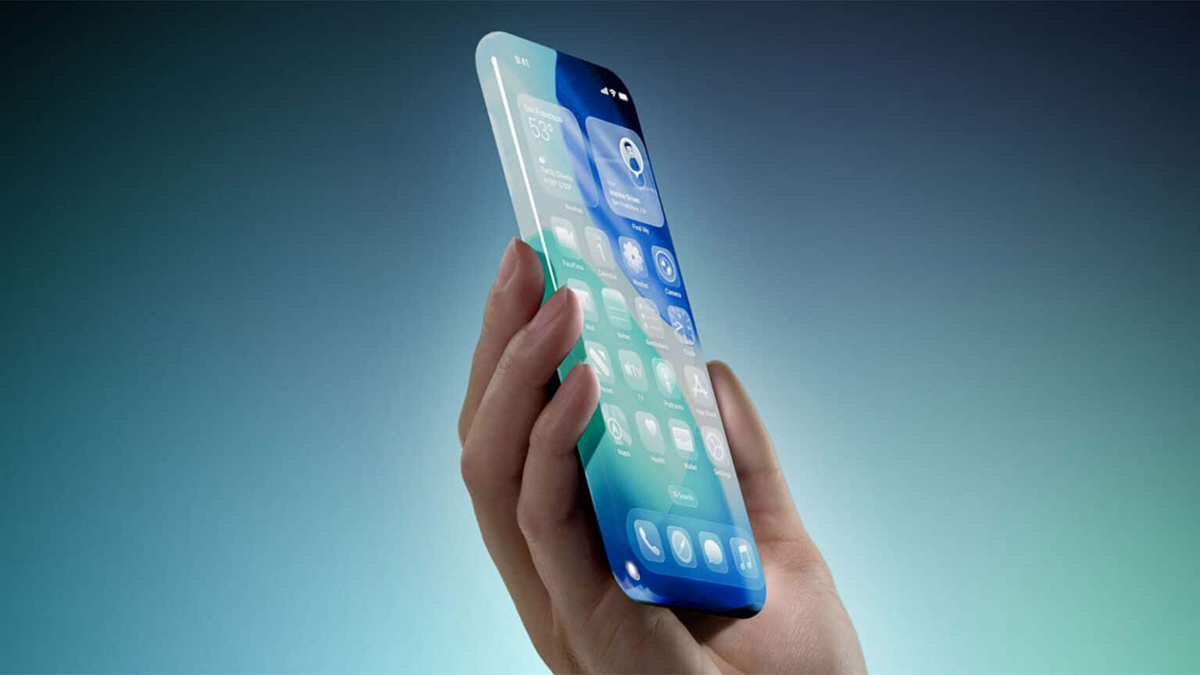
Smartphone Price Hike: Buying a smartphone in 2027 could be a burden on your pocket. With the growing demand for AI, memory chips are becoming more expensive. Learn why phones may become more expensive and how long the memory shortage will continue.

Smartphone Price Hike 2027: Until now, people have considered features like processor, camera, battery, and storage when purchasing a smartphone to determine their budget. However, in the future, another factor may impact phone prices. The growing demand for artificial intelligence (AI) is already putting pressure on the supply of memory chips. This is increasing costs for smartphone manufacturers.
Now, display prices are also expected to rise. According to reports, Samsung Display may increase the prices of its OLED panels in 2027. If this happens, manufacturing phones could become more expensive for smartphone companies. This could also impact users' pockets in the future.
Samsung may increase the price of OLED panels.
According to the report, Samsung Display has informed its partners about a $10 to $20 increase in OLED panel prices, or approximately ₹1,000 to ₹1,900. This change could occur in 2027, although the company has not yet officially confirmed it. The report also does not clarify whether the price increase will apply to smartphone displays or other OLED panels.
Memory shortage may continue until 2030
Demand for memory chips is rapidly increasing due to increased investment by AI companies and data center needs. This is also impacting smartphone manufacturers. According to reports, the prices of low-cost Android smartphones could increase by up to 30 percent. Deloitte estimates that the memory shortage could persist until 2029 or 2030.
More impact on those buying cheap phones
Rising costs could have the greatest impact on low-cost Android smartphones. According to the report, memory costs in this segment represent approximately 60% of a phone's total manufacturing cost. According to the report, global smartphone shipments are expected to decline in 2026 and 2027, a decline that could continue for the second consecutive year. Consequently, users may have to pay higher prices and opt for phones with older processors or lower specifications.
Buying panels from other companies is also expensive.
In addition to Samsung, LG Display and several Chinese companies have also established themselves in the OLED display market. Samsung holds a significant share in the global smartphone and foldable OLED panel supply, while Chinese companies are also providing strong competition. However, it is not easy for phone manufacturers to switch from one supplier to another. They have to consider several factors such as display quality, brightness, refresh rate, and battery consumption.