LIFESTYLE
Sleepiness After Eating Rice: Why do we feel sleepy after eating rice? What is the science behind it?
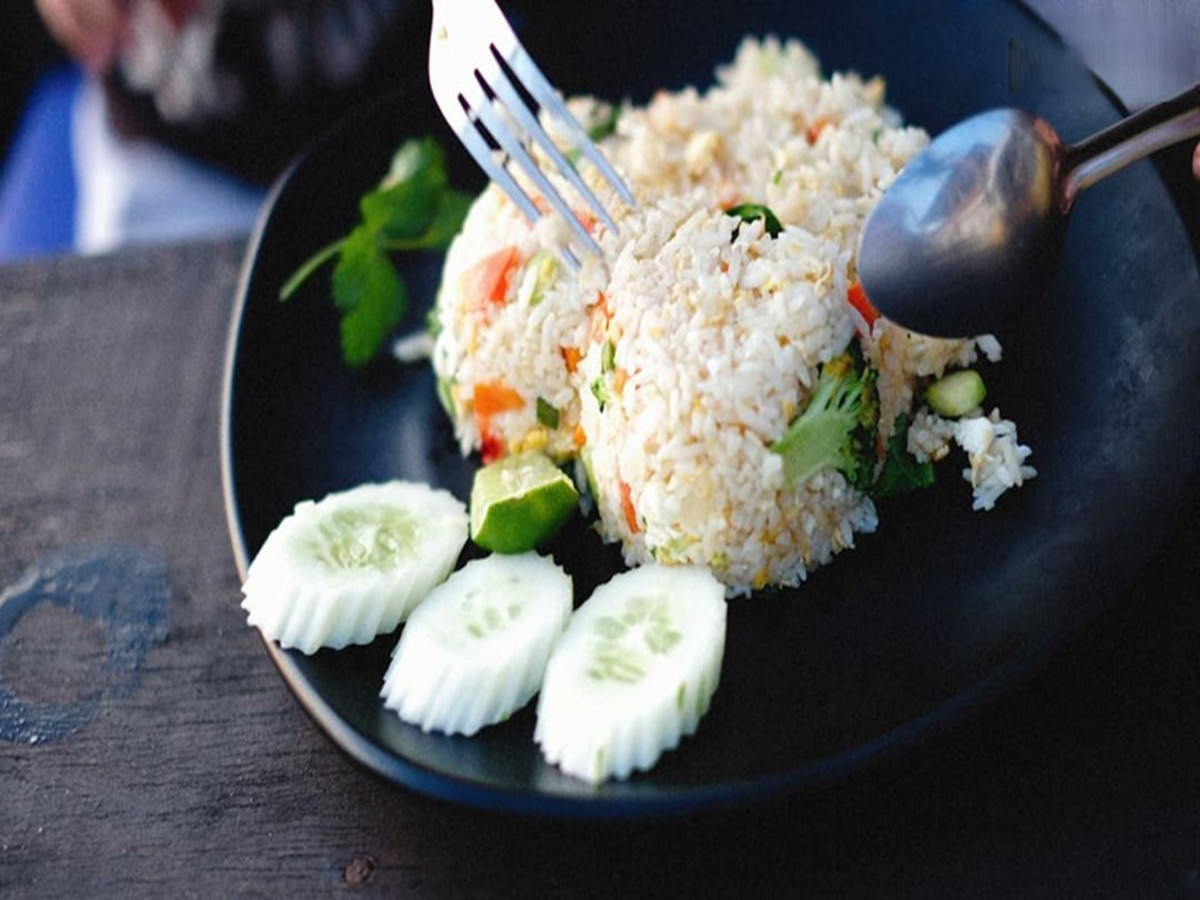
Digestion and Sleepiness: If your eyes start to feel heavy after eating rice, or you suddenly feel sleepy in the middle of work, many people feel lethargic and sluggish after eating rice.
Why do we feel sleepy after eating rice?
Why Do You Feel Sleepy After Eating Rice? If your eyes start to feel heavy after eating rice for lunch, or you suddenly feel sleepy in the middle of work, it's not just you. Many people feel lethargic and sluggish after eating rice. This is often dismissed as normal, but there are some scientific processes at play within the body.
Why do I feel sleepy?
According to experts at Muditam, a website that provides information on diet-related topics, white rice is high in carbohydrates. When we eat rice, the body converts it into glucose, which causes a rapid increase in blood sugar levels. Initially, it provides energy, but after some time, this energy suddenly decreases. This is why many people feel tired and sleepy. White rice also has a relatively high glycemic index. This means that it is digested quickly in the body and increases blood sugar quickly. When sugar levels drop after a rapid increase, the body may feel lethargic.
Insulin in the body also increases.
Eating rice also increases insulin levels in the body. Insulin regulates blood sugar. During this process, an amino acid called tryptophan can reach the brain in higher amounts. Tryptophan helps produce hormones like serotonin and melatonin, which are known to regulate mood and sleep, which is why many people feel like relaxing or sleeping after eating rice.
How much are you eating? This is also an important thing.
The amount of food you eat also plays a significant role. Eating too much rice at one time, or eating heavy or fried foods with it, puts additional strain on the digestive system. This expends more energy on the digestive process and can lead to fatigue. Although feeling sleepy after eating rice isn't a disease, if it starts affecting daily activities, some changes may help. Limit the amount of rice you eat, and include lentils, cheese, eggs, or other protein-rich foods in your diet. Eating fiber-rich vegetables also helps maintain blood sugar levels. A light walk of 10 to 15 minutes after meals is also considered beneficial.