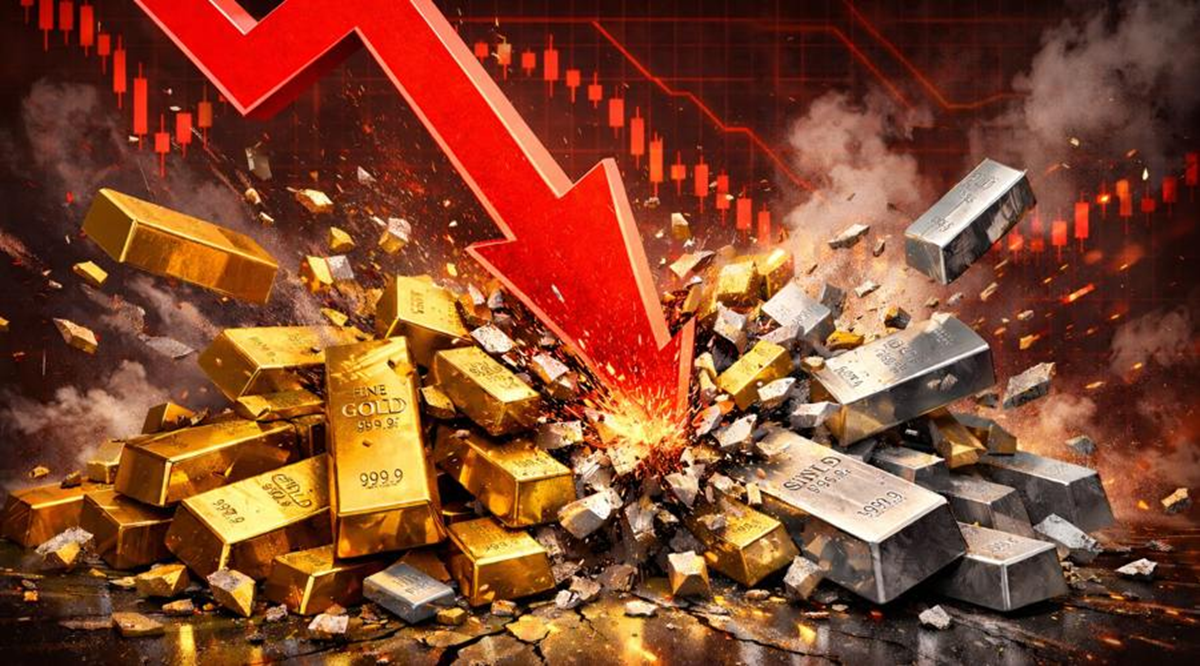
Gold and silver prices have fallen significantly from their August peaks, citing fears of rising US interest rates, higher crude oil prices, and global tensions.
Silver fell by Rs 56,000 and gold by Rs 23,000 from their August peak. Why is there turmoil?
If you're considering investing in gold or silver, it's crucial to understand the price decline. After reaching record highs in August, both precious metals have seen significant declines. Silver prices have fallen by approximately ₹56,000 per kilogram from their August peak, while gold prices have also fallen by approximately ₹23,000 per 10 grams from their August peak. Investors are wondering why these fluctuations in gold and silver prices are occurring.
In fact, several factors, including the possibility of rising US interest rates, rising crude oil prices, and global tensions, are putting pressure on precious metal prices. Let's explore the reasons behind this significant drop in gold and silver prices.
How much has the price of gold and silver fallen from the August peak?
- Silver prices fell by ₹6,800 per kilogram to ₹1,92,800 in Friday's trade. This is reported to be its lowest level since December 2025.
- Silver prices peaked at around ₹248,800 per kilogram in August, and have fallen by approximately ₹56,000.
- The price of gold also fell by about Rs 23,000 from its peak of Rs 1,64,773 per 10 grams in August.
- The steady decline in silver prices has increased investor concerns, while selling pressure is also persisting in gold.
Why are gold and silver prices falling?
- Expectations of rising US interest rates: When interest rates are expected to rise, investors may gravitate towards interest-yielding investment options rather than gold and silver. This puts pressure on demand for precious metals.
- Rising bond yields: Rising returns on US bonds may reduce the appetite for investment options like gold, which do not offer regular interest.
- Rising crude oil prices: Tensions in the Middle East have raised concerns about oil supplies. This raises the risk of rising oil prices increasing inflation. This could lead central banks to consider keeping interest rates high or even raising them.