Business
Sending money using UPI? You may soon see a 'confirm' pop-up for risky payments; find out why
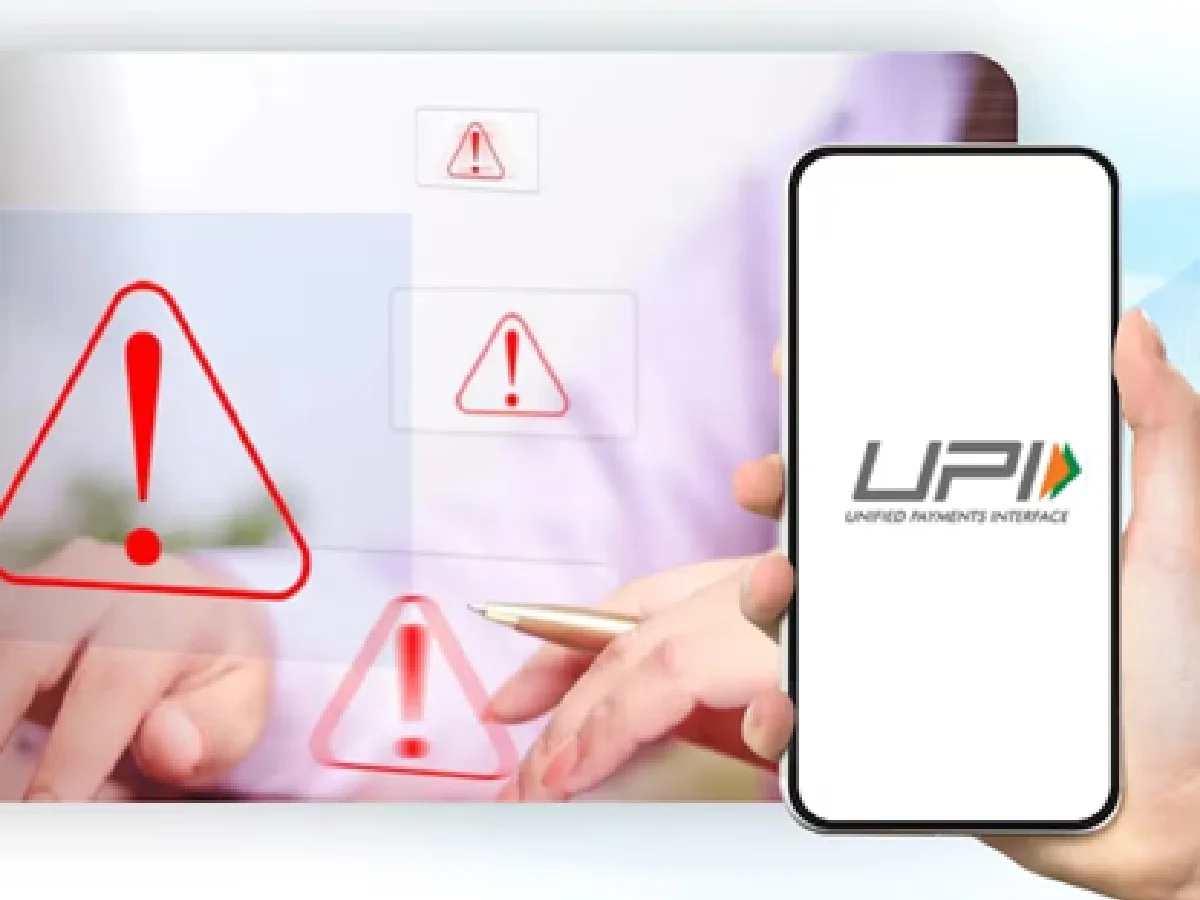
Banks have proposed adding a 'Yes/No' confirmation for certain UPI transactions that appear risky, to help prevent fraud without slowing down all payments. The proposal has been sent to the RBI, which is reviewing new rules for digital payment safety.
What's being proposed
Banks prefer a risk-based strategy rather than verifying every large payment. If the bank's fraud detection system flags a transaction as suspicious, you'll see a pop-up asking, "Do you want to proceed?" The payment will only be processed after you select "Yes." This won't affect every UPI payment. According to an ET report, it will only appear if the system detects something unusual. Banks also rejected other suggestions, such as requiring a delay for all high-value payments. They claimed that delaying every transaction would negate UPI's main advantage of speed.
Why banks want this:
UPI fraud has increased. Many scammers hack accounts. They use fake customer service lines, calls, or WhatsApp to trick customers into sending money immediately. People often discover the fraud after the money has been transferred because UPI transactions are quick and difficult to reverse. Another confirmation, according to banks, is that customers can have a chance to consider their options before sending money to a scammer.
The exact rules for how a transaction will be flagged as "high-risk"
aren't finalized yet. But banks already use systems that track spending patterns.
A payment may be flagged if it contains:
A very large amount
First time beneficiary
A new device or place
A very different spending pattern from your normal spending
PC: TV9