LIFESTYLE
Schmondse virus found in humans for the first time in France; investigation begins after patient's death.
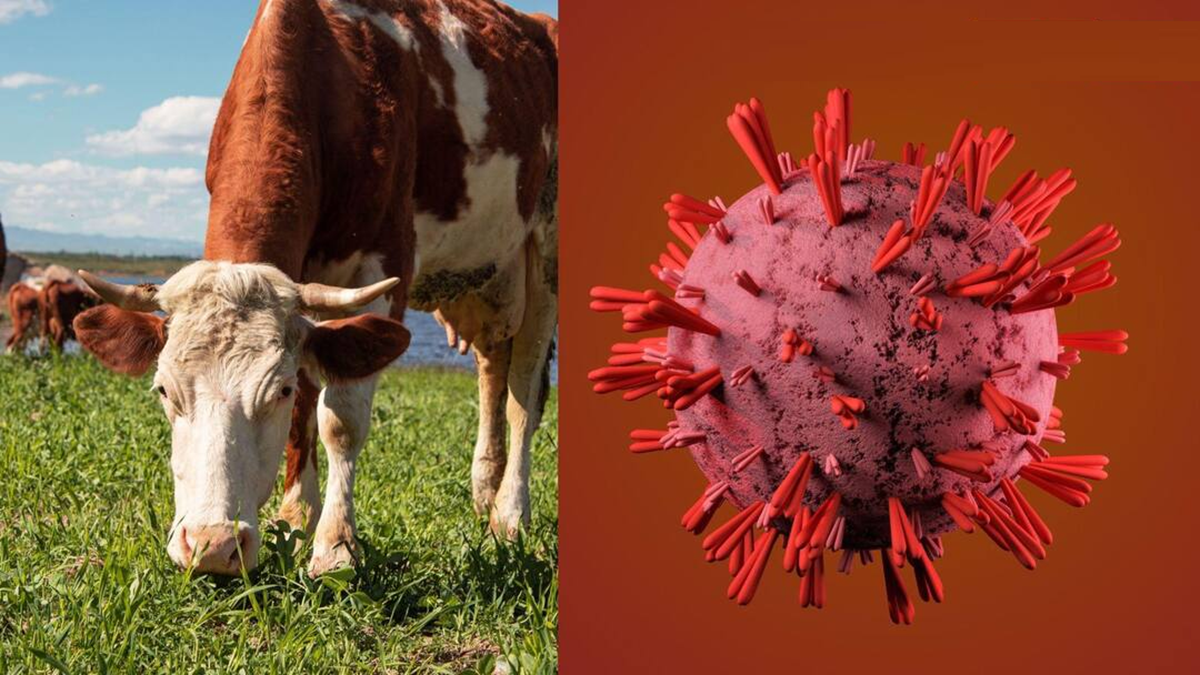

The first human infection with Schmondse virus has been reported in France. Learn how this virus spreads, its relationship to animals, and the danger it poses to the general public.
Schmondse virus
The first human case of the Schmondse virus has raised concerns among health officials in France. Until now, the virus was primarily considered an animal infection. The first infected patient in France died in early October. The patient already had a serious illness and was immunocompromised. Investigations are currently underway to determine whether the virus was directly linked to the patient's death. According to officials, no public health risk has been identified.
What is Shamonda virus?
Shamonda virus is a virus that has been found primarily in cows and other livestock. It was first identified in the African country of Nigeria in the 1960s. Subsequent cases have been reported in animals in Africa and parts of Asia. The virus is believed to be spread by small, biting insects that transmit the virus from infected animals to other animals. The virus was also identified in animals in Europe in the summer of 2026. Now, with the discovery of a human infection in France, further investigations are underway to determine how the virus affects humans.
How did the infection spread?
The 60-year-old patient in France who was found to have the Schamonda virus already had a serious illness and a weakened immune system. He died in early October. Initial investigations suggest that the patient contracted the virus through the bite of an infected small insect in eastern France. The exact mechanism of infection and whether the virus played a role in the patient's death are still under investigation. Health officials are gathering information about the case. It is also unclear how easily the virus can spread among humans. According to the WHO, the risk of widespread transmission is currently low, and no threat to the general public has been identified.
Is there any need to be afraid of this virus?
At this time, health officials say no health risks have been identified for the general public. This case occurred in a patient with a pre-existing immune system, and is therefore considered an exceptional case. In animals, this virus causes symptoms such as fever, diarrhea, lethargy, and reduced milk production in cows. There is currently insufficient information available about its symptoms and effects in humans. European health officials are monitoring this case closely.