LIFESTYLE
Ringworm on the body is not just a skin problem; it can be a risk of stroke and heart attack!

Ringworm on the body isn't just a common fungal infection; it can also be shingles, which starts with a painful rash. It can also increase the risk of stroke and heart problems for some time after infection.
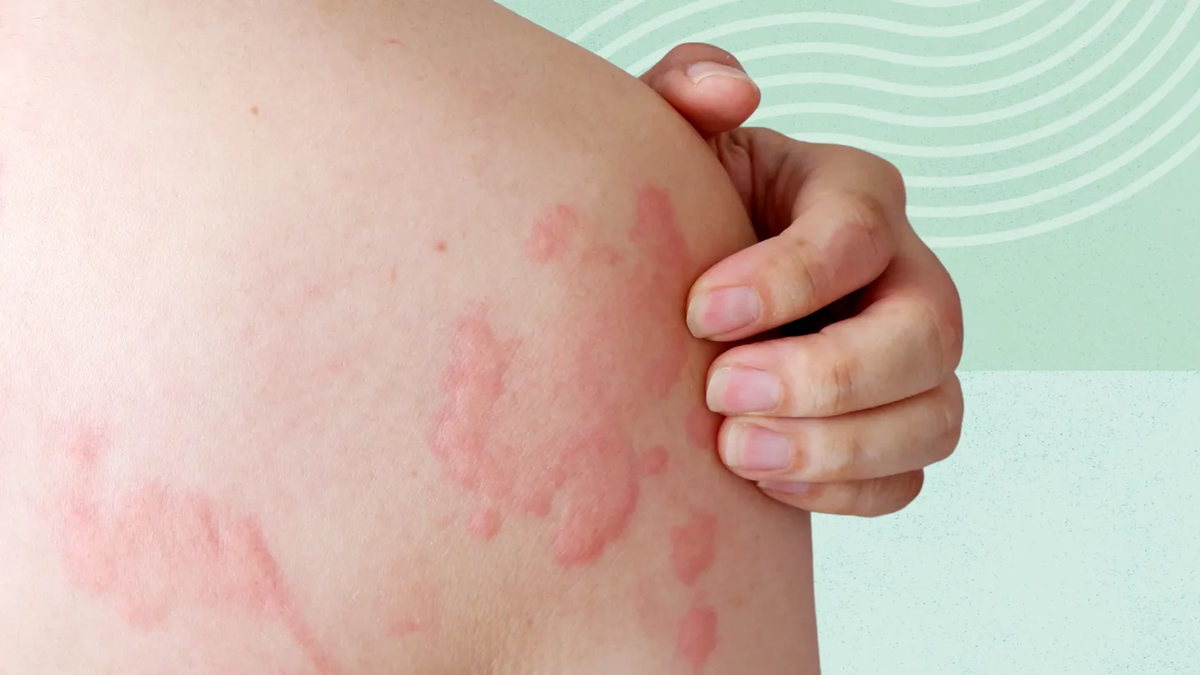
What are shingles?
The sudden appearance of small rashes or blisters on the skin, accompanied by burning, stinging, and pain, is often mistaken for a common skin problem. However, if these symptoms are caused by shingles, or herpes zoster, the problem isn't limited to just the skin.
Research has shown a link between an increased risk of stroke and heart-related events after shingles. The first days and weeks after infection are particularly crucial. So, learn what shingles is and how it increases the risk of stroke and heart attack.
What is shingles?
Shingles is caused by the same virus that causes chickenpox. It's called the varicella-zoster virus. After chickenpox is cured, the virus doesn't completely disappear from the body; instead, it remains dormant in nerve cells. Years later, as the immune system weakens or with aging, this same virus can reactivate and cause shingles. It typically causes blisters, followed by pain, burning, itching, or tingling on one side of the body or face. The rash often appears along nerve paths on one side of the body. The blisters crust over within a few days and heal in about 2 to 4 weeks.
The problem may persist even after the pain subsides.
One of the most common complications of shingles is postherpetic neuralgia, or long-lasting nerve pain. This condition affects approximately 10 to 18 percent of people with shingles, and the risk increases with age. In some people, pain persists in the affected area for months, sometimes years, even after the rash has cleared. If the infection is on the face or around the eyes, it can also affect the eyes and vision. In rare cases, the virus can cause serious neurological problems, such as encephalitis, inflammation of the brain.
What is the connection between shingles and stroke?
Several studies have shown an increased risk of stroke after herpes zoster. The risk appears to be higher early in the infection. Researchers suggest this may be due to vasculopathy, a type of blood vessel inflammation associated with the virus. Research has also shown an association between shingles and other cardiovascular events, including heart attack. Some studies have also found an increased risk of stroke and coronary heart disease.
How to prevent shingles
In India, the most effective and primary way to prevent shingles is through vaccination. This vaccine prevents the virus from reactivating and reduces the risk of severe pain. If someone in your household has shingles, avoid touching their blisters or rashes directly and keep the rash clean and covered. It's also beneficial to see a doctor before the problem worsens.