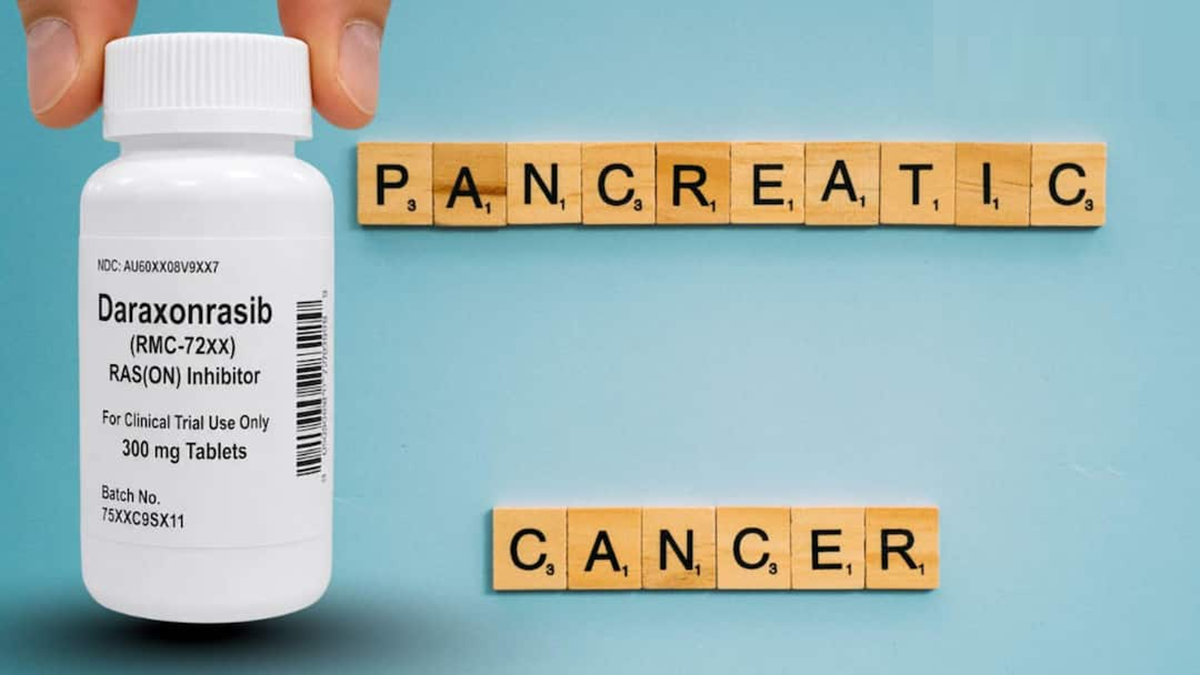
The FDA has approved a new drug for pancreatic cancer. It blocks the KRAS protein, which is responsible for cancer growth in more than 90 percent of cases. This approval could open new avenues for treating other cancers as well.
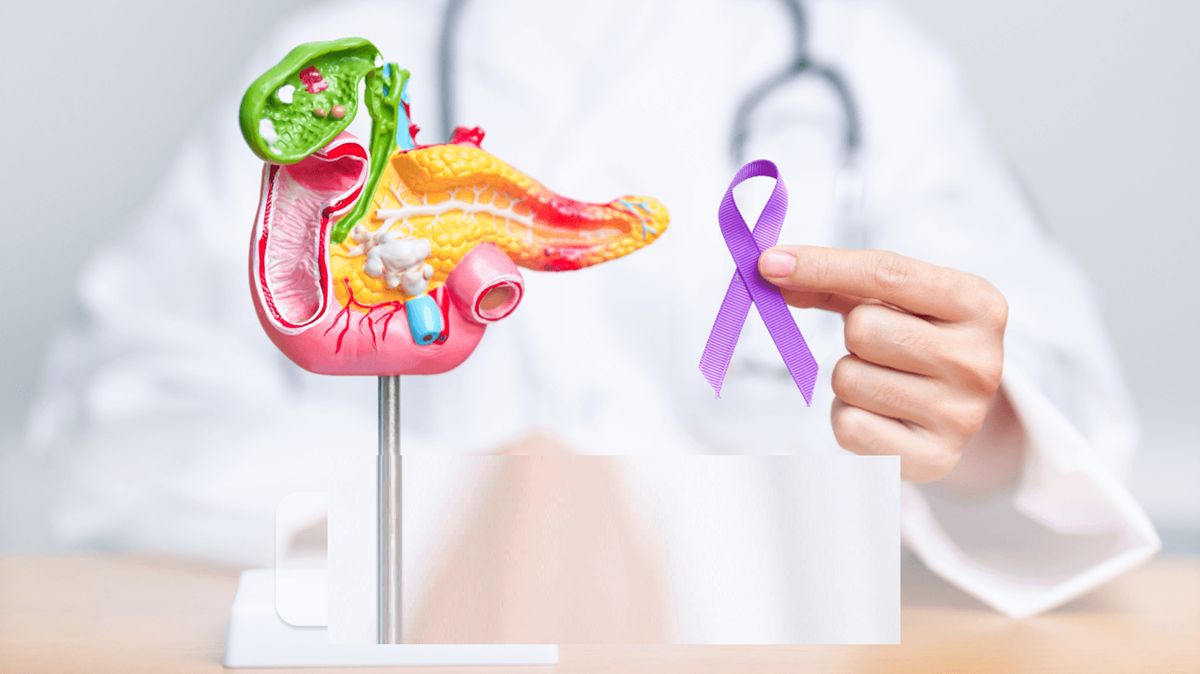
New drug for pancreatic cancer
Pancreatic cancer, or pancreatic cancer, is considered the world's deadliest cancer because it often goes undetected in its early stages. However, now comes a significant relief for patients. The US Food and Drug Administration has approved a revolutionary new drug for advanced pancreatic cancer, a drug doctors and scientists have been searching for for decades. Let's explore this drug, its effectiveness, and its benefits for patients.
Which medicine got approval?
The Food and Drug Administration has approved the daroxonasib vaccine, which Revolution Medicines will sell under the brand name Rasonc. It is the first pill of its kind to block a mutated protein that drives tumor growth in more than 90 percent of pancreatic cancer cases. The Food and Drug Administration granted expedited approval six months ahead of schedule, highlighting the potential for this drug.
What does this medicine target?
This new drug targets mutations in the RAS gene family, which regulates cell growth. KRAS mutations are considered the most common cause of pancreatic cancer. However, the structure of this protein was considered impossible for decades, making it undruggable. This drug from Revolution Medicines binds to multiple KRAS subtypes using a type of molecular glue.
Why is it beneficial for patients?
The study included 500 patients whose metastatic cancer had stopped responding to previous treatment. Patients were randomly assigned to either the new drug or a previous chemotherapy treatment. Results showed that patients taking the new drug had a nearly double chance of survival and fewer dangerous side effects.
How much does the medicine cost
According to the company, a one-month course of this drug costs approximately $39,800, which is approximately Rs 3.3 million in Indian rupees. It comes in the form of a daily pill. Doctors treating pancreatic cancer hope that the drug's approval could open new avenues for other cancers, as dozens of experimental drugs based on this same approach are in development. The company is now testing this technology on lung cancer and several other cancers.
According to the American Cancer Society, approximately 67,000 new cases of pancreatic cancer are diagnosed in the United States this year alone, while more than 52,000 people are at risk of dying from it. The five-year survival rate for this disease is only 13 percent, making it one of the deadliest cancers.