NEWS
Refrigerator Power Consumption Tips: Empty or full... when does the refrigerator consume more electricity?
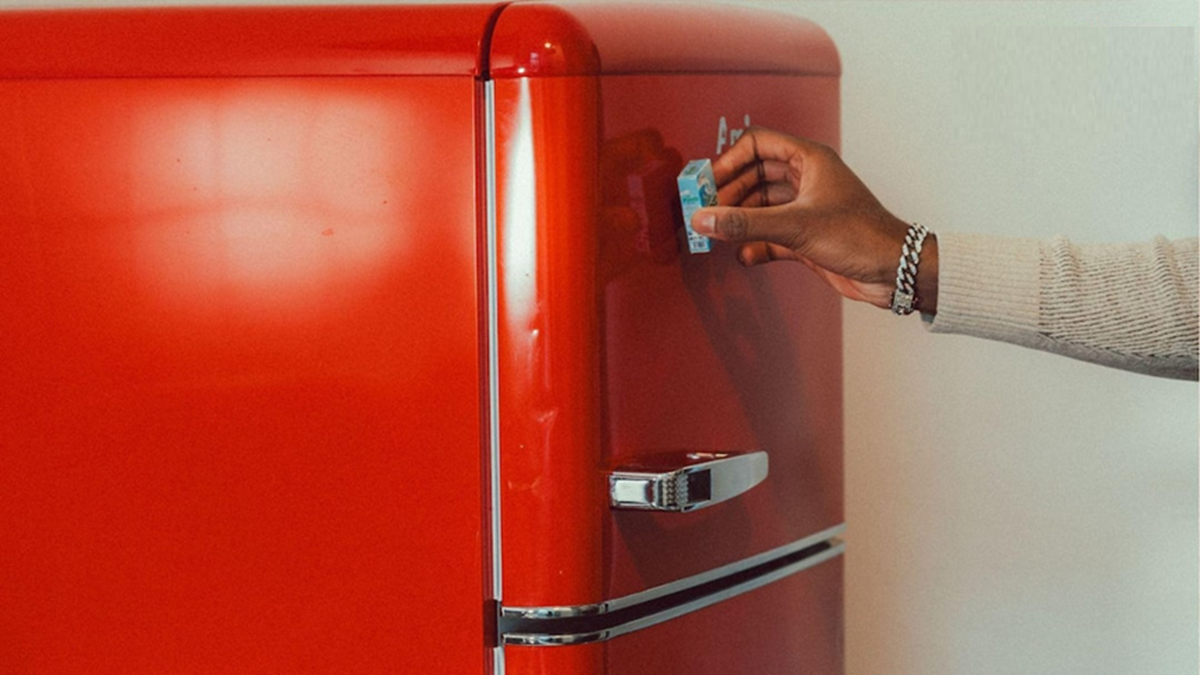
Refrigerator Power Consumption Tips: Do you also feel that keeping your refrigerator empty reduces your electricity bill? To make sure you're not making a mistake, learn this easy way to use your refrigerator.

Does an empty fridge consume more electricity or a full one?
Refrigerator Power Consumption Tips: Every month, when the electricity bill comes and it's higher than expected, the refrigerator is the first area of suspicion. Because the refrigerator is an appliance that's always on 24 hours a day, a significant portion of the electricity bill is due to the refrigerator itself. Therefore, people assume that if they keep the refrigerator empty, their electricity bill will be lower. However, this isn't entirely true. Rather, electricity consumption depends on how you use it.
When does the refrigerator consume more electricity?
While it may sound strange, it's true that an empty refrigerator consumes more electricity. The reason behind this is that when a refrigerator is empty, it fills with a lot of empty air, and it takes a long time for the empty air to cool down. Whenever you open the refrigerator to take out something, the cold air inside escapes and the warm air from outside enters. So, after the door is closed, the refrigerator compressor has to consume a lot of electricity to cool that warm air. The longer the compressor runs, the higher the electricity bill.
What happens in a full fridge?
Now let's learn what happens in a full refrigerator. When the refrigerator is filled with fruits, vegetables, and water bottles, these items absorb the refrigerator's coolness. These cool items act as thermal mass, meaning they help the refrigerator retain its coolness for longer. This way, when you open the refrigerator door, these solid items don't escape like air. This means the compressor doesn't need to cool down again. This reduces the load on the compressor and results in significant energy savings.
It is also not good to fill the fridge completely.
This doesn't mean you should fill your refrigerator to the brim. This will cause it to consume even more electricity, as cold air needs some space to circulate to every corner. When the refrigerator is full, the cold air can't fully cool the refrigerator, preventing the refrigerator sensors from turning off the compressor, which can cause the refrigerator to run continuously, causing the electricity bill to skyrocket.
How much to fill the fridge
To keep your electricity bill low and your refrigerator running safely, fill it only 70 to 80 percent full. Always leave 20 percent of the space inside the refrigerator empty, allowing cool air to circulate freely throughout the refrigerator and cooling it quickly.