Business
RBI Loan Recovery Rules: Banks Cannot Lock Your Phone or Laptop for Unrelated Loan Defaults From January 2027
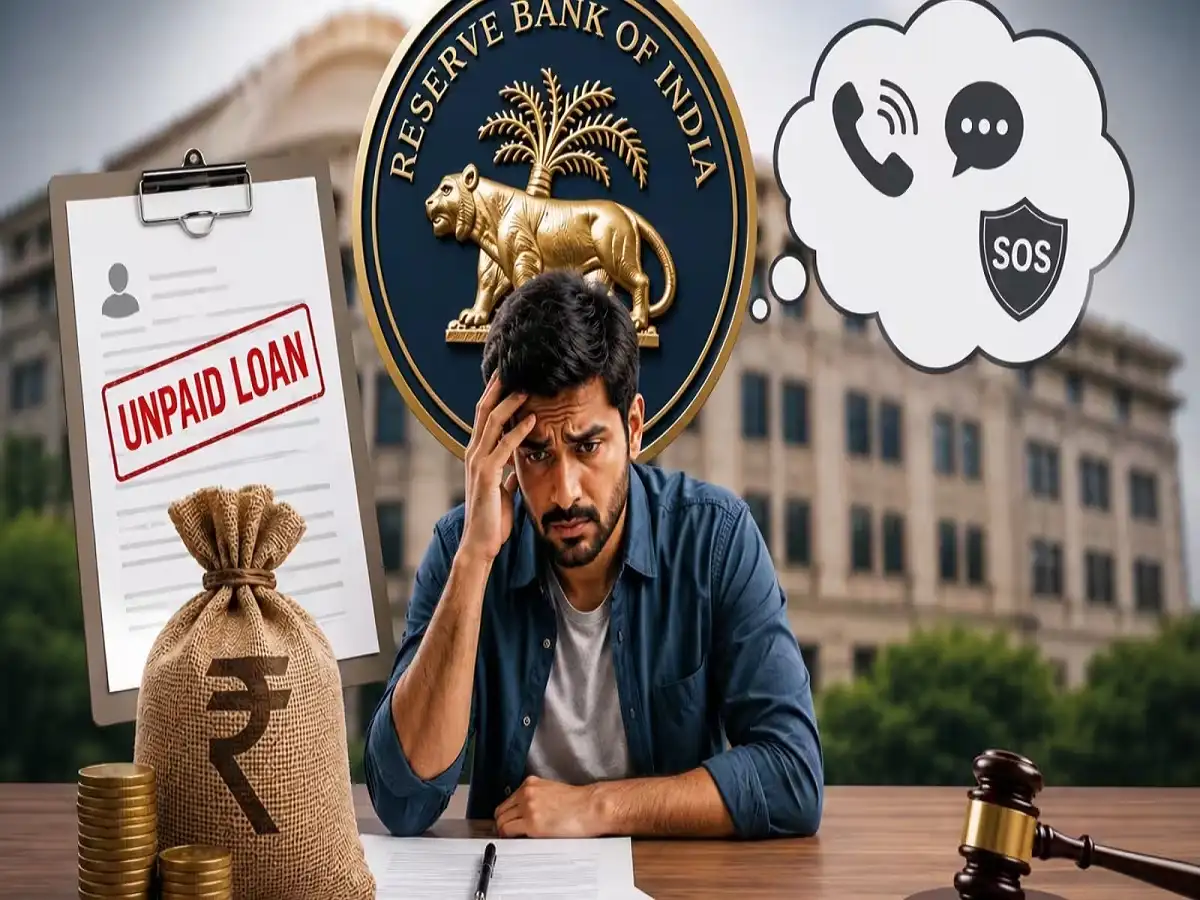
RBI Loan Recovery Rules 2027: Missing a loan EMI can lead to penalties, recovery proceedings and an adverse impact on a borrower's credit profile, but lenders cannot use every possible method to recover overdue payments. The Reserve Bank of India (RBI) has tightened the framework governing how regulated lenders and their recovery agents can deal with borrowers.
Under the revised norms issued on August 6, banks and other covered financial institutions will not be permitted to remotely lock or disable a borrower's mobile phone, laptop or tablet to recover an unrelated loan, such as a personal, home or vehicle loan.
An important exception applies when the electronic device itself has been purchased using financing provided for that particular device. Even in such cases, however, lenders will have to follow prescribed safeguards rather than disabling the device arbitrarily.
The revised framework is scheduled to take effect from January 1, 2027.
Here's what borrowers should know about the new recovery rules.
Can a Bank Lock Your Smartphone If You Miss a Personal Loan EMI?
Under the revised framework, a lender cannot use software installed on a borrower's electronic device to lock that device merely because payments on an unrelated loan have become overdue.
For example, suppose you own a smartphone outright but also have a personal loan from a bank. If you miss an EMI on that personal loan, the lender cannot remotely disable your phone as a recovery mechanism.
The same principle applies when the overdue debt relates to other unrelated borrowing, such as a home or car loan.
Lenders can continue to pursue recovery through legally permitted channels, but access to a borrower's unrelated personal electronic device cannot be used as leverage.
There's an Important Exception for Device Financing
The rules make an important distinction between an unrelated loan and financing specifically taken to purchase the electronic device.
Suppose a customer buys a smartphone, laptop or tablet through financing where the device itself is linked to that credit arrangement.
In such a case, a compliant device-locking mechanism may be permitted subject to the applicable regulatory conditions.
That does not mean the lender receives unrestricted authority over the device.
The arrangement must satisfy prescribed safeguards, and the borrower should be informed appropriately about the relevant terms.
Lenders Cannot Suddenly Disable a Financed Device
Even when the electronic device itself was purchased using financing, the lender cannot simply shut it down without following the applicable procedure.
The RBI framework provides safeguards around the use of such technology.
This is significant because smartphones are no longer merely entertainment devices. People depend on them for communication, banking, payments, employment, government services and emergency assistance.
Any technology that restricts access to a device therefore needs safeguards against disproportionate or abusive use.
Incoming Calls, SMS and Emergency Functions Must Remain Accessible
One of the most important borrower protections concerns essential communication.
Where an eligible financed device is subjected to restrictions under the permitted framework, certain critical functions should continue to remain available.
These include essential services such as:
- Incoming calls
- SMS functionality
- Emergency SOS or comparable emergency services
The intention is to prevent a loan-recovery mechanism from cutting a person off from essential communication.
This becomes especially important during medical, safety or other emergencies.
Banks Cannot Use Just Any Device-Locking Software
The rules also seek to control the technology used for device restrictions.
A bank, NBFC or third-party service provider cannot simply deploy arbitrary or unverified software with intrusive capabilities on a customer's device.
Device-locking technology must satisfy the required standards, including appropriate certification or authorization involving the relevant Original Equipment Manufacturer (OEM) or operating-system ecosystem, as applicable under the framework.
This safeguard is intended to reduce risks related to unauthorized software, excessive permissions, security vulnerabilities and misuse of personal information.
Why Has RBI Tightened Loan Recovery Rules?
Loan-recovery practices have long been a sensitive issue because borrowers facing financial difficulties can be vulnerable to pressure.
Regulatory safeguards are intended to ensure that legitimate debt collection does not become harassment.
Complaints involving recovery practices have previously included allegations of threatening calls, abusive communication, repeated harassment and attempts to publicly shame borrowers.
In particularly problematic situations, concerns have also arisen about misuse of photographs, contact details or other personal information.
The revised approach reinforces an important distinction: a lender has the right to recover legitimate dues, but recovery must take place within regulatory and legal boundaries.
Borrower Privacy Also Gets Greater Attention
The recovery process often requires a lender to share some borrower information with employees, authorized agents or service providers.
However, that does not mean every piece of personal information can be freely distributed.
Under the framework described, lenders should limit the information shared for recovery to what is reasonably necessary for carrying out that function.
The same principle applies to information relating to guarantors.
Borrowers' personal data should not become a tool for intimidation, humiliation or public disclosure.
Recovery Agents Must Also Follow the Rules
Hiring an outside recovery agency does not allow a lender to avoid responsibility for how borrowers are treated.
Regulated financial institutions remain responsible for ensuring that their authorized recovery arrangements comply with applicable standards.
Recovery agents cannot use threats, humiliation or other prohibited practices simply because a borrower has missed an EMI.
Borrowers should nevertheless remember that regulatory protections against harassment do not erase the underlying debt.
The lender can still use legitimate recovery processes available under the loan agreement and applicable law.
Does This Mean You Can Stop Paying Your EMI?
No.
The new rules should not be interpreted as protection from repayment obligations.
A borrower who stops making scheduled payments may still face significant consequences.
Depending on the loan agreement and applicable rules, these can include late-payment charges, penal charges, follow-up from the lender, recovery proceedings and reporting of missed payments to credit information companies.
Repeated defaults can damage the borrower's credit history and make future borrowing more difficult or expensive.
The rules regulate how lenders recover money; they do not cancel the borrower's obligation to repay a valid debt.
What Should You Do If You Know You Will Miss an EMI?
Borrowers facing temporary financial stress should contact the lender as early as possible rather than ignoring calls or notices.
Explain the situation and ask whether any legitimate repayment solution is available.
Depending on the lender, loan type and circumstances, possible options could include changing the repayment arrangement, clearing overdue amounts under an agreed schedule or considering another permitted restructuring mechanism.
Availability is not guaranteed, but communicating early is generally preferable to allowing missed payments to accumulate without explanation.
Any revised arrangement should be obtained through the lender's official channels and documented properly.
Never Pay a Recovery Agent Without Proper Verification
Borrowers should also be cautious when approached by someone claiming to represent a bank or NBFC.
Verify the person's identity and authorization before making any payment.
Avoid transferring money to an unknown personal account simply because someone claims it will "close" the overdue loan.
Where payment is required, use an official and traceable payment mechanism recognized by the lender and retain the receipt.
If there is any doubt, contact the bank or financial institution directly using its official customer-service channels.
When Do the New RBI Recovery Rules Take Effect?
According to the supplied details, the revised framework will become effective from January 1, 2027.
The final rules follow a consultation process. RBI had earlier released a draft titled Conduct of Regulated Entities in Recovery of Loans in May 2026 and sought feedback from stakeholders.
The final framework incorporates regulatory safeguards designed to balance legitimate recovery rights with borrower privacy and protection from unfair practices.
What Changes for Borrowers From January 2027?
The biggest takeaway is that lenders will have clearer boundaries around technology-based recovery.
A bank cannot disable a customer's personal smartphone simply because a home, car or unrelated personal loan EMI has not been paid.
Where the device itself is financed under an eligible arrangement, restrictions may be possible only within the prescribed framework and safeguards.
Essential communication functions must remain protected where required, while device-control technology must comply with applicable technical and authorization standards.
Privacy protections also restrict unnecessary sharing or misuse of borrower information during recovery.
What Borrowers Should Remember
If you have an outstanding loan, continue paying EMIs on schedule whenever possible. If repayment becomes difficult, communicate with your lender rather than assuming the new regulations prevent recovery.
At the same time, borrowers should know that default does not give a bank or recovery agent unlimited power.
Threats, humiliation, misuse of personal information and unauthorized technological restrictions are not legitimate substitutes for a regulated recovery process.
Keep copies of your loan agreement, repayment records and communications with the lender. If you believe a lender or recovery agent has violated applicable rules, first raise the matter through the financial institution's official grievance mechanism and use the appropriate regulatory complaint channel if the issue remains unresolved.
Final Takeaway
The RBI's revised recovery framework draws a clearer line between recovering legitimate dues and interfering with a borrower's personal digital devices.
From January 1, 2027, banks and other covered lenders cannot use remote device-locking as a general weapon to collect unrelated personal, home or vehicle loan dues.
An exception can exist when the electronic device itself has been financed, but even then lenders must follow the prescribed safeguards.
For borrowers, the message works both ways: loan repayment obligations remain intact, but recovery must be fair, proportionate and compliant with RBI rules.
Disclaimer: This article is intended for general information and financial awareness. Exact rights and obligations may depend on the RBI's applicable directions, the type of regulated entity, loan agreement and individual circumstances. Borrowers should consult the latest official RBI directions or their lender for case-specific information.