FOOD & RECIPE
Rava Dosa Making Tips: Why does rava dosa stick to a new pan? If you use it this way, there will be no problem.

Rava Dosa Making Tips: When the pan is new, the dosa tends to stick to the pan. Sometimes it won't spread, sometimes it tears in the middle, and sometimes it breaks into pieces when you lift it.
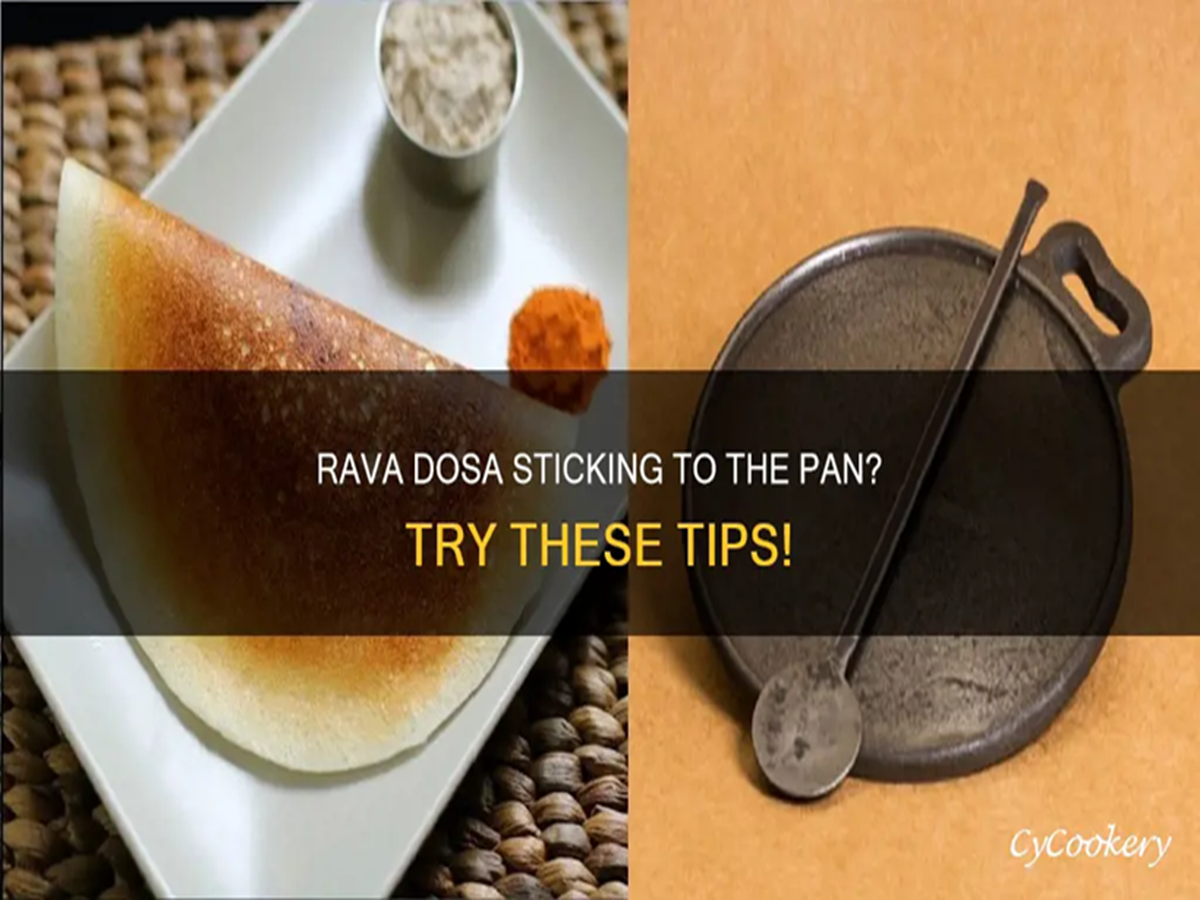
Tips for making Rava Dosa
Rava Dosa Making Tips: When you think of South Indian food, the first dish that comes to mind is the thin and crispy dosa. Some people like to eat it with coconut chutney, others with sambar. Rava dosa is especially special. Its texture and crispness make it different from other dosas. However, a problem often arises when making rava dosa at home. Especially when the pan is new, the dosa tends to stick to the pan. Sometimes the dosa doesn't spread, sometimes it breaks in the middle, and sometimes it breaks into pieces when lifted. In such cases, many people think the batter is bad, but the real reason often lies in the pan and the way it is used. If this happens to you, too, let us tell you today why rava dosa sticks to a new pan and how to use it to avoid this problem.
Why does Rava Dosa stick to a new pan?
When you buy a new pan, its surface isn't fully prepared. Especially if the pan is made of iron, it takes time for its natural non-stick coating to develop. This can cause the batter to stick directly to the pan's surface, resulting in the dosa breaking. Furthermore, overheating or underheating the pan, moisture or dirt on the surface, and improper oil use can also be major causes of dosa sticking.
How to use it so that there is no problem?
If your pan is new, don't use it directly for making dosa. It's important to season it well first. To do this, heat the pan, lightly oil it, and let it heat for a few minutes. Doing this repeatedly for a few days creates a thin layer on the pan's surface, giving it natural non-stick properties. The older and more well-seasoned the pan, the better the dosa will be.
The temperature of the pan should be correct.
The temperature of the pan is crucial for making rava dosa. If the pan is too hot, the batter will stick to it and won't spread properly. If the pan is cold, the batter will stick to the pan instead of cooking. To check if the pan is at the right temperature, sprinkle a few drops of water on it. If the water slowly evaporates, it means the temperature is correct. However, if the water disappears immediately with a loud noise, the pan is overheating.
Do not keep the batter of Rava Dosa too thick.
The batter for rava dosa is slightly thinner than for regular dosa. This gives the dosa a lattice-like texture. If the batter is too thick, the dosa will become thick and may stick to the pan. Therefore, keep the batter thin enough so that it flows easily and spreads on its own when poured onto the pan. Sometimes, small burnt particles from the previous dosa remain on the pan, causing the next one to stick. Therefore, before making a new dosa, gently wipe the pan with a damp cloth. This will remove excess oil and burnt residue, leaving the surface clean.
Follow these easy tricks to make crispy rava dosa.
1. Before using a new pan, season it well and keep the batter a little thin.
2. Always keep the temperature of the pan medium, and also clean the pan before every dosa.
3. Apply some oil on the pan with onion or potato; this makes the surface of the pan smooth, and the dosa comes out easily.
4. Avoid using too much oil. Too little oil can cause the dosa to stick to the pan. Adding too much oil will prevent the batter from spreading properly.
5. Let the dosa cook completely before lifting it. Many people tend to flip or lift the dosa in a hurry. Only when the edges of the dosa begin to lift and turn golden brown should they flip or remove it. This prevents the dosa from tearing.
6. Do not pour the cold batter from the fridge into the pan immediately. If you have kept the batter in the fridge, then take it out about half an hour before using it.