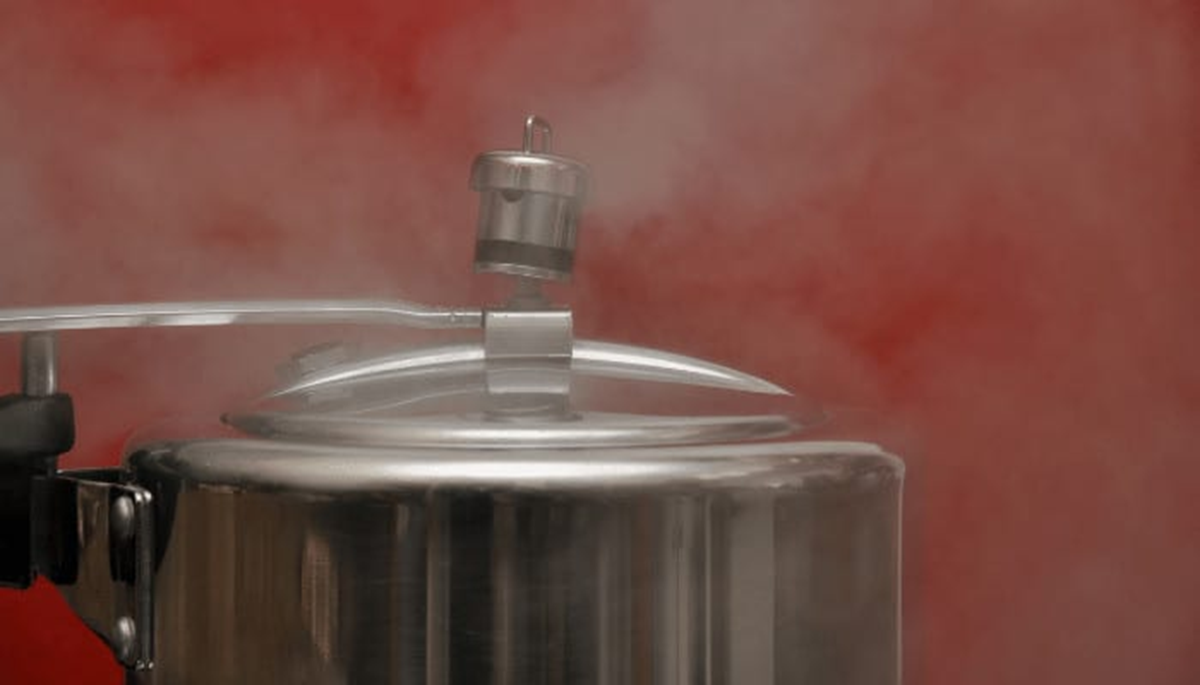
Cooker Safety Tips: If steam is continuously coming out of your pressure cooker or water is leaking along with the whistle, then there can be many small reasons behind it.
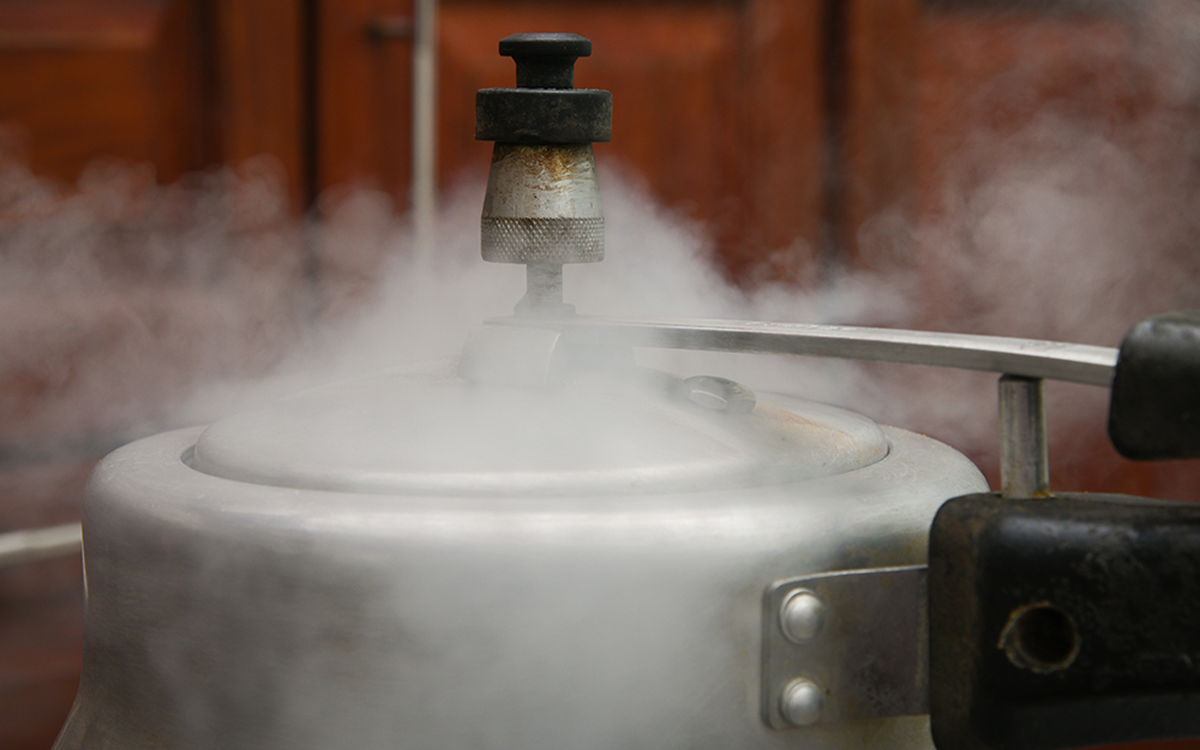
What to do if water and steam come out of the cooker?
How to Clean a Pressure Cooker Whistle at Home: A pressure cooker is a kitchen utensil that's hard to imagine without. It's used to quickly cook lentils, rice, vegetables, and many other items. However, sometimes steam or water escapes from the cooker while cooking. This not only creates a mess around the gas stove but also makes cooking difficult.
If your pressure cooker is constantly escaping steam or leaking water while whistling, there could be several minor reasons. This could be due to a loose rubber band, dirt buildup in the whistle, the lid not closing properly, or adding too much water. By keeping a few simple things in mind, this problem can be significantly reduced.
First check the rubber of the cooker.
The rubber seal on the pressure cooker lid is responsible for holding the pressure inside. Over time, this rubber can become loose, stiff, or damaged. This can cause the lid to no longer seal properly, allowing steam to escape through the edges.
Therefore, if steam is constantly emanating from the cooker, first check the condition of the rubber. If the rubber is loose or damaged, it is best to replace it. To ensure long-lasting durability, clean and dry the cooker's rubber thoroughly after use.
Is there any dirt stuck in the whistle?
If lentils, rice, or small food particles get stuck in the cooker's whistle, it can obstruct the steam flow. This can prevent the pressure from escaping normally, and steam can begin to escape from various angles. Therefore, it's important to clean the whistle regularly. When washing dishes, remove it and check for any food particles stuck inside. If necessary, it can be thoroughly cleaned with a small brush.
It is important to close the lid properly
Sometimes the problem isn't a faulty cooker, but rather a faulty lid. Before cooking, make sure the lid is securely in place and the rubber seal is in place. Leaving the lid even slightly open can allow steam to escape during pressure buildup. Therefore, be sure to check the lid locking before placing the cooker on the stove.
Do not add more water than required.
Adding too much water to the cooker can also cause steam and water to escape. Especially when cooking lentils, rice, or vegetables, adding too much water can cause the water to whistle as it boils. Therefore, add water based on the amount of food you're cooking. Avoid overfilling the cooker. This ensures adequate space for the steam to escape, ensuring a more efficient cooking process.
A little oil can also help.
Some cooking dishes often have a higher risk of water or foam coming out. In such situations, adding a small amount of oil to the food can help. Oil can help reduce foam formation and also reduce the risk of water coming out of the cooker. However, the amount of oil should not be excessive; a small amount is sufficient for the cooking time.
Do not keep the cooker on high flame continuously.
When cooking in a pressure cooker, you can use high heat initially, but continuously using high heat can cause the internal pressure and temperature to rise rapidly, resulting in excessive steam. Therefore, once the pressure builds up in the cooker, it's best to reduce the heat as needed. This ensures proper cooking and reduces the likelihood of unnecessary steam escaping.
Do not rush to handle the cooker with cold water.
If water is spilling out while cooking, first reduce or turn off the heat and allow the pressure in the cooker to completely dissipate. Never attempt to open the lid while the pressure is still on. Open the cooker only after it has cooled down and check the condition of the rubber, whistle, and lid. It's also important to thoroughly wash and dry the cooker parts for cleaning.
Regular cleaning will maintain the seal of the cooker.
Cleaning the pressure cooker's exterior isn't enough. Regularly clean the inside of the lid, the rubber seal, and the whistle. Buildup of small food particles and grease can affect the cooker's sealing and steam release. If the cooker's rubber seal is worn out, the whistle isn't working properly, or any parts appear to be damaged, it's a safer bet to replace it.