LIFESTYLE
Post-Diwali Health Tips 2026: 7 Simple Ways to Improve Digestion After Eating Too Many Sweets and Fried Foods

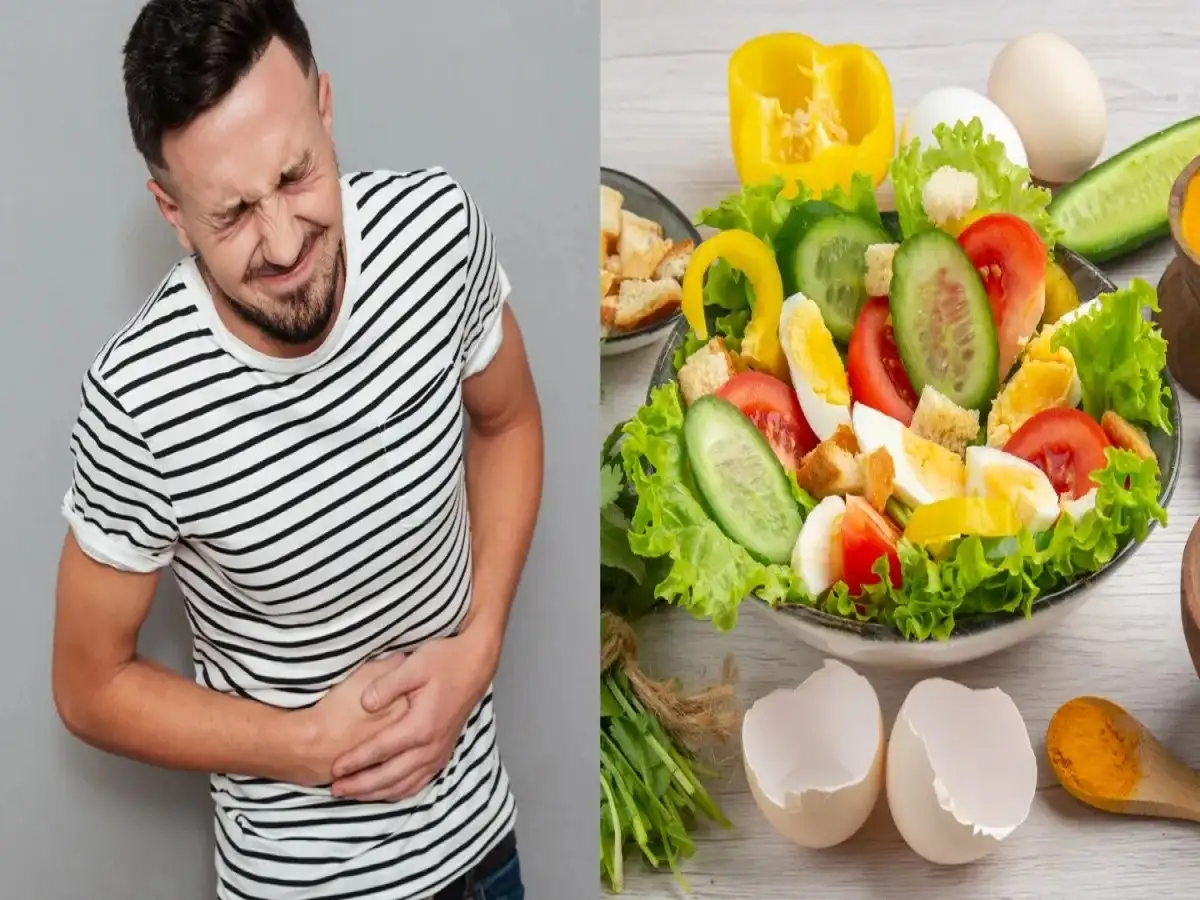
Post-Diwali Health Tips 2026: The festive season brings celebrations, family gatherings and delicious food, but excessive consumption of sweets, oily snacks and heavy meals can sometimes leave people feeling uncomfortable. After enjoying traditional Diwali delicacies such as laddoos, kachoris, pakoras and other rich dishes, many individuals experience bloating, acidity, constipation or a feeling of heaviness in the stomach.
Changes in eating schedules, reduced physical activity and insufficient water intake during celebrations can also contribute to digestive discomfort.
However, recovering from festive overeating does not require expensive detox drinks, extreme fasting or restrictive diets. Simple dietary adjustments, adequate hydration and regular movement can help the digestive system return to its usual routine.
Here are seven practical ways to support digestive health after Diwali celebrations.
1. Try Cumin and Fennel Water for Digestive Comfort
Cumin and fennel are commonly used in Indian households as traditional digestive ingredients.
Some people find warm water prepared with these spices soothing after consuming heavy meals.
To prepare the drink, add a small quantity of cumin seeds and fennel seeds to a glass of water. Boil the mixture for a few minutes, allow it to cool to a comfortable temperature and drink it slowly.
Although these ingredients have a long history of culinary use, scientific evidence supporting their effectiveness for treating digestive disorders remains limited.
The drink may provide comfort for some individuals, but it should not be considered a medical treatment for persistent bloating or abdominal pain.
2. Drink Ginger Tea to Help Manage Nausea
Ginger is widely recognised for its potential benefits in managing certain types of nausea.
After several days of consuming rich festive foods, a cup of mild ginger tea may be a comfortable alternative to sugary beverages.
Fresh ginger can be steeped in hot water for a few minutes to prepare a simple drink.
Avoid adding excessive sugar, particularly if you are trying to reduce your intake of sweets after the festive season.
While ginger may help with nausea, its effects on general indigestion and bloating are less certain.
People taking blood-thinning medication or managing specific medical conditions should seek professional advice before consuming concentrated ginger supplements.
3. Stay Hydrated Throughout the Day
Adequate hydration plays an important role in maintaining normal bodily functions, including digestion.
During festivals, people may consume more tea, coffee and sweetened beverages while overlooking their regular water intake.
Returning to consistent hydration habits can help support normal bowel movements, particularly when combined with sufficient dietary fibre.
Drinking a glass of lukewarm water in the morning is one simple way to begin the day.
However, there is no convincing evidence that warm water removes toxins more effectively than ordinary drinking water.
The human body already has natural systems, primarily involving the liver and kidneys, that process and eliminate waste substances.
Rather than relying on a particular temperature or special drink, focus on drinking sufficient fluids throughout the day.
4. Include Fibre-Rich Foods in Your Daily Meals
A sudden increase in fried snacks, refined carbohydrates and sweets may reduce the amount of dietary fibre consumed during celebrations.
Fibre is important for maintaining regular bowel movements and supporting overall digestive health.
After Diwali, consider including fruits, vegetables, whole grains and pulses in your meals.
Foods such as papaya, guava, oats, lentils, beans and green vegetables can contribute to daily fibre intake.
For example, a breakfast containing oats and fruit, followed by a lunch of dal, vegetables and whole grains, can help restore a more balanced eating pattern.
However, increasing fibre intake too quickly may worsen gas and bloating in some people.
Introduce fibre-rich foods gradually and drink adequate water to support comfortable digestion.
5. Add Curd and Other Fermented Foods to Your Diet
Fermented foods can be a useful addition to a balanced diet.
Curd, buttermilk and certain other fermented products may contain beneficial microorganisms that support the gut microbiome.
The gut microbiome consists of microorganisms living in the digestive tract that contribute to various aspects of digestive and metabolic health.
Including plain curd with meals can provide nutrients such as protein and calcium, along with live cultures when present.
However, not every fermented food contains proven probiotic strains, and the health benefits depend on the specific microorganisms and product.
Choose unsweetened varieties whenever possible, particularly after a period of increased sugar consumption.
Individuals with lactose intolerance or other dietary restrictions should select alternatives appropriate for their needs.
6. Take a Gentle Walk After Meals
Physical activity is another important part of returning to a healthy routine after festive celebrations.
Long periods of sitting, combined with large meals, can contribute to feelings of sluggishness and digestive discomfort.
A gentle walk after eating may help support digestion and can also improve post-meal blood glucose regulation.
Consider walking at a comfortable pace for 10 to 20 minutes after meals, gradually extending the duration if appropriate.
There is no need to begin an intense exercise programme immediately after several days of celebrations.
Simple activities such as walking, light stretching and avoiding prolonged sitting can help people become active again.
Regular physical activity also supports cardiovascular health, sleep quality and long-term weight management.
7. Return to Balanced Meals Instead of Following a Crash Diet
After consuming more food than usual during Diwali, some people attempt to compensate by skipping meals or following strict detox diets.
However, extreme dietary restrictions are generally unnecessary and may lead to fatigue, excessive hunger or further disruption of normal eating habits.
A more sustainable approach is to return to regular, balanced meals.
Include appropriate portions of vegetables, fruits, whole grains, protein-rich foods and healthy fats.
Try to limit deep-fried snacks, alcohol and sugar-sweetened drinks for a few days while maintaining normal meal timings.
Eating slowly and paying attention to hunger and fullness signals may also help prevent further overeating.
The objective should be to establish consistent habits rather than punish yourself for enjoying festive food.
Does Your Body Really Need a Detox After Diwali?
The idea of cleansing the body through special drinks, juices or restrictive diets has become increasingly popular.
However, most healthy individuals do not need commercial detox products to remove everyday metabolic waste.
The liver processes numerous substances, while the kidneys filter blood and help eliminate waste through urine. The digestive system and other organs also contribute to normal waste removal.
There is limited scientific evidence that commercial detox drinks or crash diets improve these natural processes.
Instead, maintaining adequate hydration, consuming nutritious food, getting sufficient sleep and staying physically active are more practical approaches to supporting overall health.
People should also be cautious about herbal detox products and laxative-based cleansing programmes, which may cause dehydration or other unwanted effects.
When Should You Consult a Doctor?
Mild digestive discomfort following an unusually heavy meal may improve as normal eating habits resume.
However, symptoms should not automatically be attributed to festive overeating.
Seek medical advice if bloating, nausea, constipation or abdominal discomfort persists or repeatedly returns.
Severe abdominal pain, persistent vomiting, blood in the stool, black stools, signs of dehydration or unexplained weight loss require prompt medical evaluation.
People with diabetes, kidney disease, gastrointestinal disorders or other chronic conditions should follow dietary guidance appropriate to their medical needs.
Final Takeaway
Enjoying sweets and traditional fried foods is a familiar part of Diwali celebrations, but returning to healthy habits afterward can help reduce digestive discomfort.
Simple steps such as drinking adequate water, consuming fibre-rich foods, including suitable fermented products, taking gentle walks and maintaining regular meals can support digestive health.
Traditional drinks such as cumin-fennel water and ginger tea may provide comfort for some people, although they are not substitutes for medical treatment.
Most importantly, expensive detox products and extreme fasting are not necessary for the body's normal waste-removal processes.
A balanced diet, consistent physical activity and sufficient rest remain more reliable ways to support recovery after festive indulgence.
Medical Disclaimer: This article provides general health and wellness information and is not a substitute for professional medical advice, diagnosis or treatment. Consult a qualified healthcare professional for persistent digestive symptoms or individual dietary concerns.