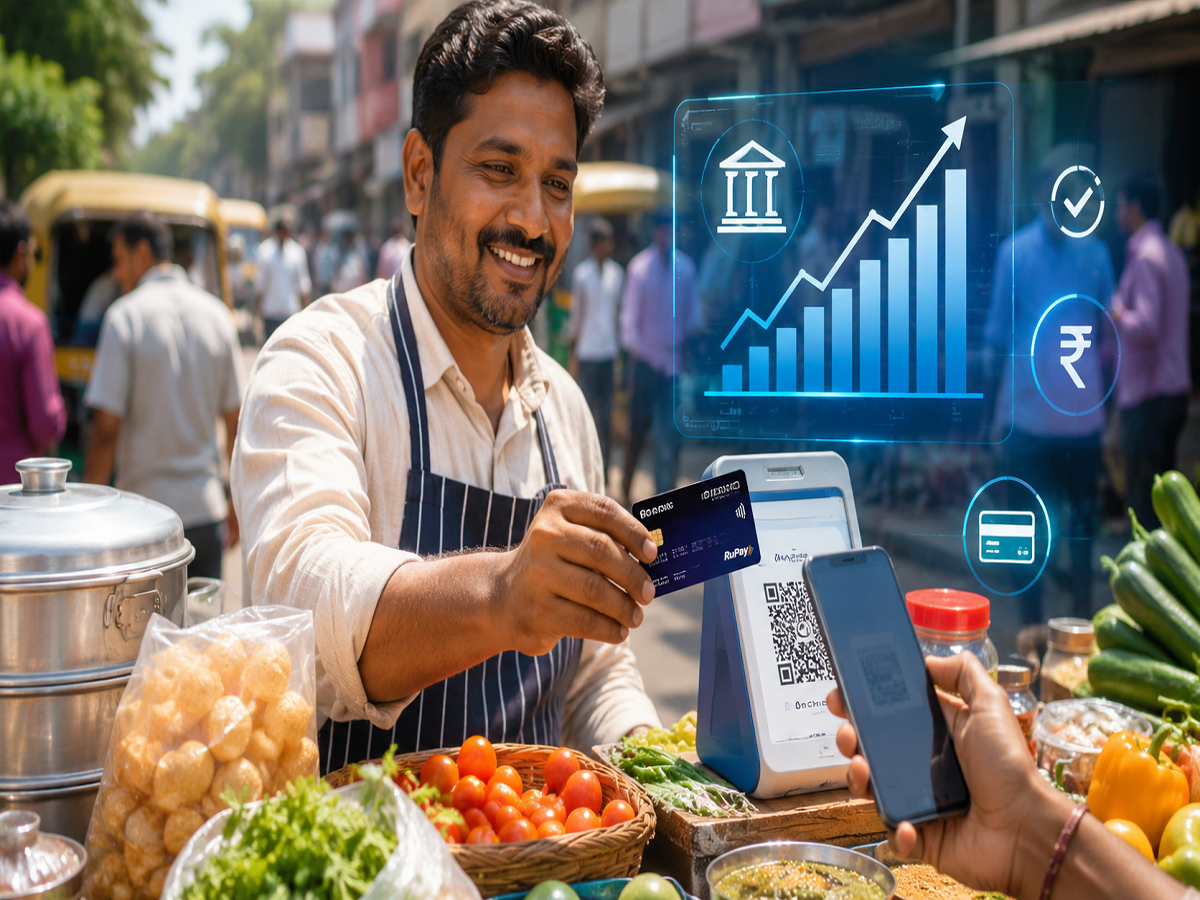
The Government of India has expanded the benefits available under the PM SVANidhi Scheme by introducing a dedicated credit card facility for eligible street vendors. The initiative aims to improve financial inclusion and provide easier access to short-term credit without forcing small vendors to rely on informal lenders or high-interest borrowing sources.
The newly launched PM SVANidhi Credit Card offers eligible beneficiaries a revolving credit facility that can be used for daily business expenses and working capital needs. The card is designed to help street vendors build a formal credit history while enjoying convenient digital payment options.
What Is the PM SVANidhi Credit Card?
The PM SVANidhi Credit Card is a RuPay-based credit card issued to eligible beneficiaries of the PM SVANidhi Scheme. It functions similarly to a regular credit card and allows vendors to make purchases and payments using a pre-approved credit limit.
Initially, the card comes with a lower credit limit, which can gradually increase based on repayment behavior and eligibility criteria.
The primary objective is to provide affordable and accessible credit support to street vendors operating small businesses across the country.
Key Features of the PM SVANidhi Credit Card
The card comes with several benefits designed specifically for street vendors:
- Credit limit can be increased up to ₹30,000.
- Initial credit limit starts at ₹10,000.
- Interest-free credit period ranging from 20 to 50 days.
- No interest is charged if the outstanding amount is paid within the interest-free period.
- Card validity is up to five years.
- Linked with UPI for seamless digital transactions.
- Can be used for utility bill payments and everyday business expenses.
- Transactions above ₹2,500 may be converted into EMI.
- EMI interest rates are capped at around 1.5% per month, depending on bank policies.
- Lifetime free card with no annual fee.
Why Was This Credit Card Introduced?
The government launched the facility to strengthen the financial position of street vendors and encourage responsible borrowing.
The key objectives include:
- Providing easier access to formal credit.
- Reducing dependence on moneylenders and informal borrowing.
- Rewarding vendors who have maintained good repayment records under the PM SVANidhi loan scheme.
- Strengthening the relationship between banks and small entrepreneurs.
- Promoting digital payments and financial inclusion.
Eligibility Criteria
Not every PM SVANidhi beneficiary automatically qualifies for the credit card.
Applicants must meet the following conditions:
- Must be a beneficiary under the PM SVANidhi Scheme.
- Should have successfully repaid earlier PM SVANidhi loans on time.
- Eligible for the third loan cycle or already availed it.
- Age should be between 21 and 65 years.
- Should not be classified as a defaulter in any loan or credit card account.
Step-by-Step Application Process
Eligible vendors can apply online through the official PM SVANidhi portal or mobile application.
Step 1: Visit the Official Platform
- Open the PM SVANidhi portal.
- Alternatively, download the PMS Mobile App.
- Select the “Apply for Credit Card” option.
- Enter your registered mobile number.
- Verify using the OTP received on your phone.
Step 2: Complete Verification
- Confirm Aadhaar availability.
- Select the applicable vendor category.
- Verify using the required registration details.
- Fill in the application form carefully.
- Upload the necessary documents.
- Choose the bank where you hold an account.
- Complete Aadhaar-based eKYC verification through biometric authentication.
After successful submission, the application will be processed by the selected bank.
Documents Required
Applicants should keep the following documents ready:
- Aadhaar Card
- PAN Card
- Certificate of Vending (CoV) or Letter of Recommendation (LoR)
- Identity proof issued by Urban Local Body or authorized authority
- Savings bank account details
- Address proof (if different from Aadhaar address)
How to Check Application Status
Applicants can track their credit card application online.
Steps:
- Visit the PM SVANidhi portal.
- Click on “Know Your Application Status.”
- Enter the registration number and mobile number.
- Verify using OTP.
- View the latest status of your application.
Where the Card Cannot Be Used
The PM SVANidhi Credit Card is intended primarily for business and livelihood-related purposes.
The card may not be used for:
- Purchase of alcoholic beverages
- International travel bookings
- Overseas hotel reservations
- International transactions
- Certain restricted digital business categories
- Other merchant categories restricted by issuing banks
Specific restrictions may vary according to the Merchant Category Code (MCC) guidelines followed by the issuing bank.
Frequently Asked Questions
What is the maximum credit limit?
Eligible users can receive a credit limit of up to ₹30,000, subject to repayment performance and bank approval.
Can the card be used internationally?
No. The card is intended for domestic transactions within India.
Is there any annual fee?
No. The PM SVANidhi Credit Card is generally offered as a lifetime free card.
Can purchases be converted into EMI?
Yes. Eligible transactions above ₹2,500 may be converted into EMIs, subject to bank terms.
What happens if payment is delayed?
Late payment charges are determined by the issuing bank. For very small outstanding amounts, some banks may not levy any penalty, while higher dues may attract late fees according to their policies.
Conclusion
The PM SVANidhi Credit Card represents another step toward strengthening financial support for India's street vendors. By offering access to affordable credit, digital payment facilities, and flexible repayment options, the scheme aims to help small entrepreneurs grow their businesses while building a formal credit profile.
Eligible vendors who have maintained a good repayment record under the PM SVANidhi Scheme should consider applying to take advantage of this credit facility and improve their financial flexibility.