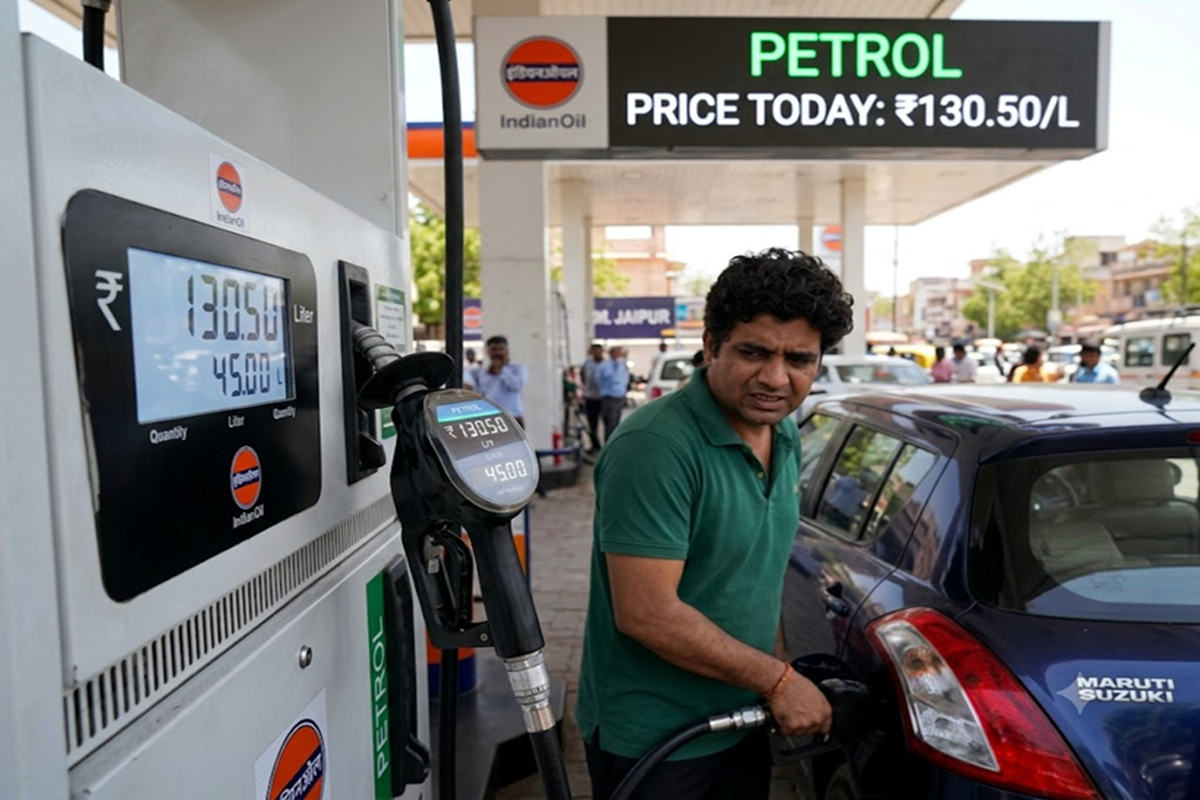
Petrol News: Not just India, many countries are grappling with the rising price of petrol. In Bangladesh, petrol has surpassed ₹130 per liter. Kerosene is in a similar situation.
Petrol price crosses Rs 130 in this country
Petrol News: Rising petrol and diesel prices have exacerbated the hardships of ordinary people. Now, petrol and kerosene have become more expensive again in India's neighboring country, Bangladesh. This is the second price hike in six weeks. Following the implementation of the new rates, the price of petrol has surpassed ₹130 per liter, while the price of kerosene has also increased significantly. The government says this decision was taken due to the rising oil prices in the international market. This could impact public spending and inflation.
Price hike for the second time in six weeks
The Bangladesh government has increased the prices of petroleum products, citing fluctuations in international crude oil prices. This is the second increase in fuel prices in the past six weeks. The government said the decision was necessary due to global market pressures.
Petrol crosses Rs 130 mark.
According to the new rates, the price of petrol in Bangladesh has risen to over 130 taka per liter. This is likely to impact private vehicle drivers as well as the transportation sector. The increased fuel prices will further burden people's pockets.
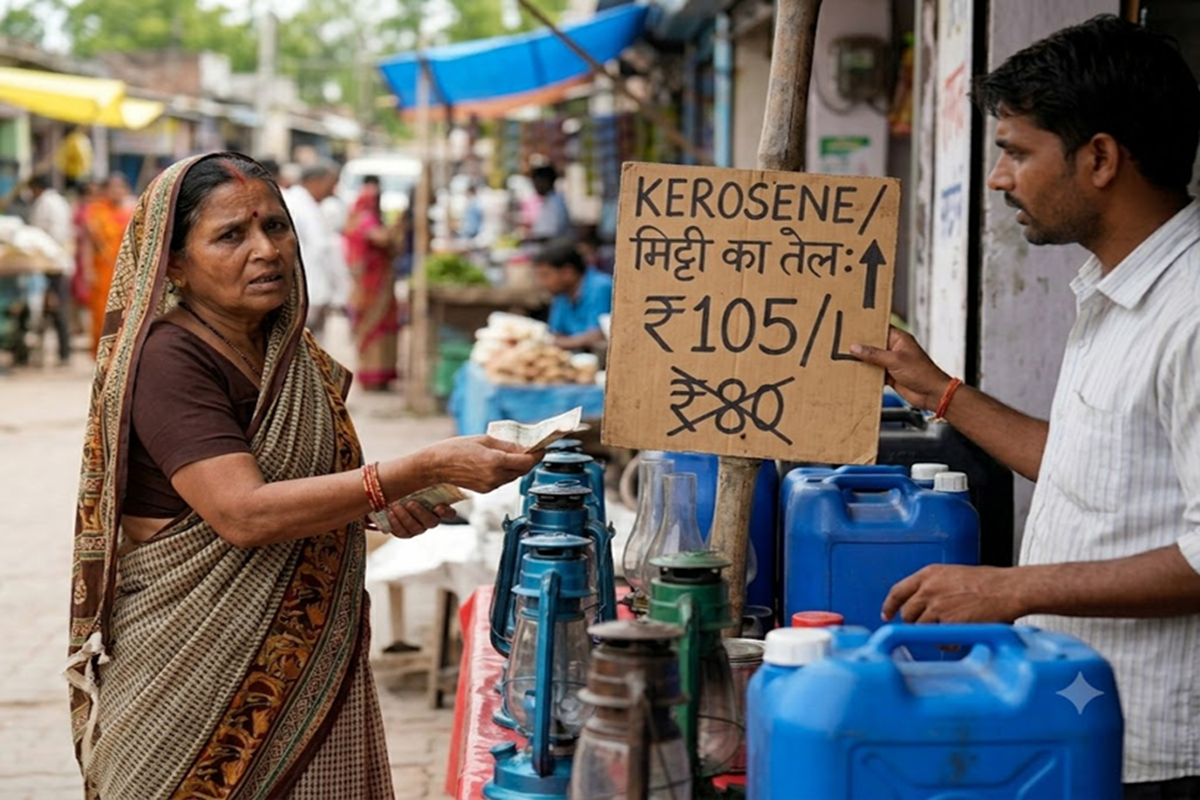
Kerosene and diesel also became expensive
Not only petrol, but kerosene and diesel prices have also been increased. Kerosene is widely used in rural areas and among low-income groups. Therefore, its increased prices could impact household budgets.
Why were the prices increased?
Rising international crude oil prices and geopolitical tensions are impacting many countries. Bangladesh also relies heavily on imports to meet its fuel needs. Consequently, the direct impact of global prices is being felt in the domestic market. It's worth noting that rising fuel prices aren't limited to vehicle operating costs. Higher transportation costs can also put pressure on the prices of food, essential goods, and other services, potentially leading to higher inflation.