NEWS
Petrol-Diesel Price: Hormuz crisis puts government under stress; will petrol and diesel become more expensive?
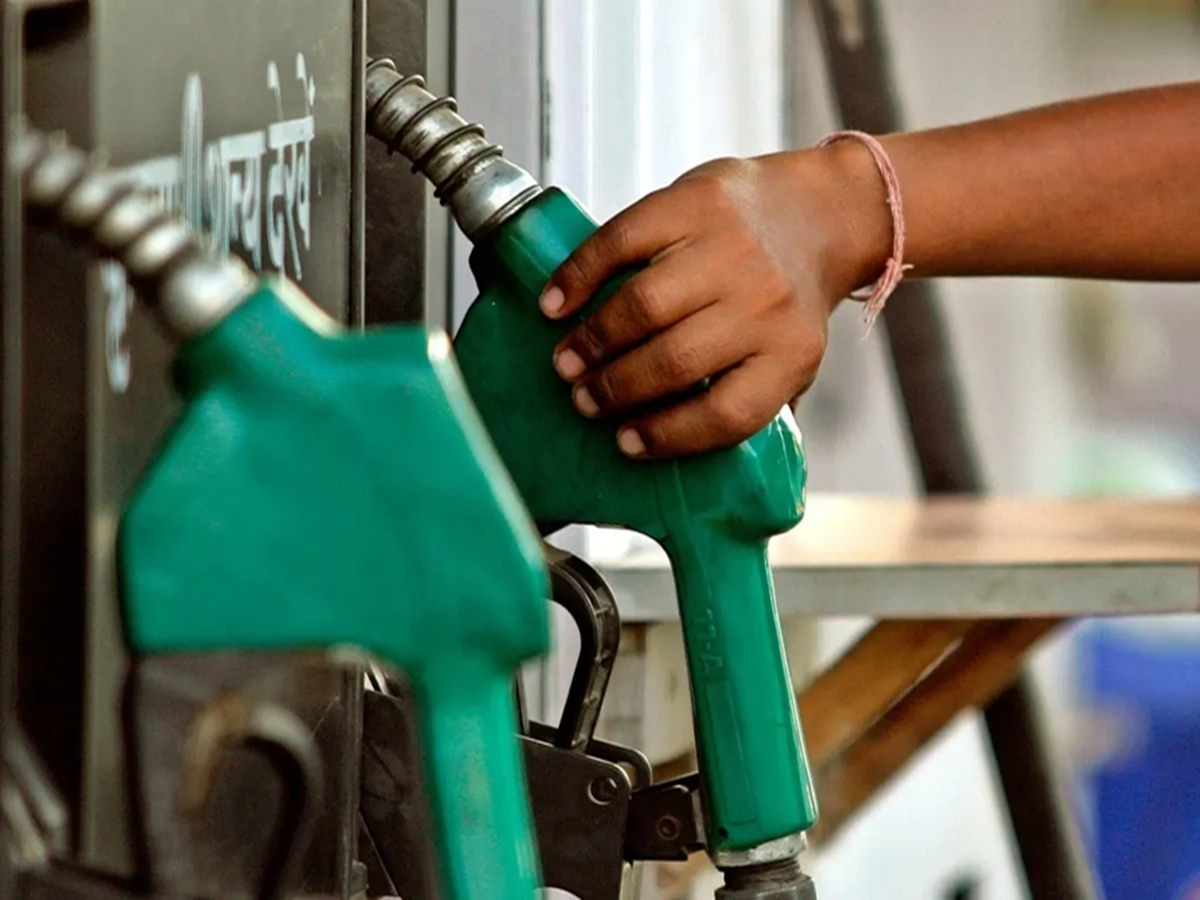
Petrol and Diesel Price: Tensions have flared up once again between Iran and the US, raising fears among the public that petrol and diesel prices may rise again. Let us explain.
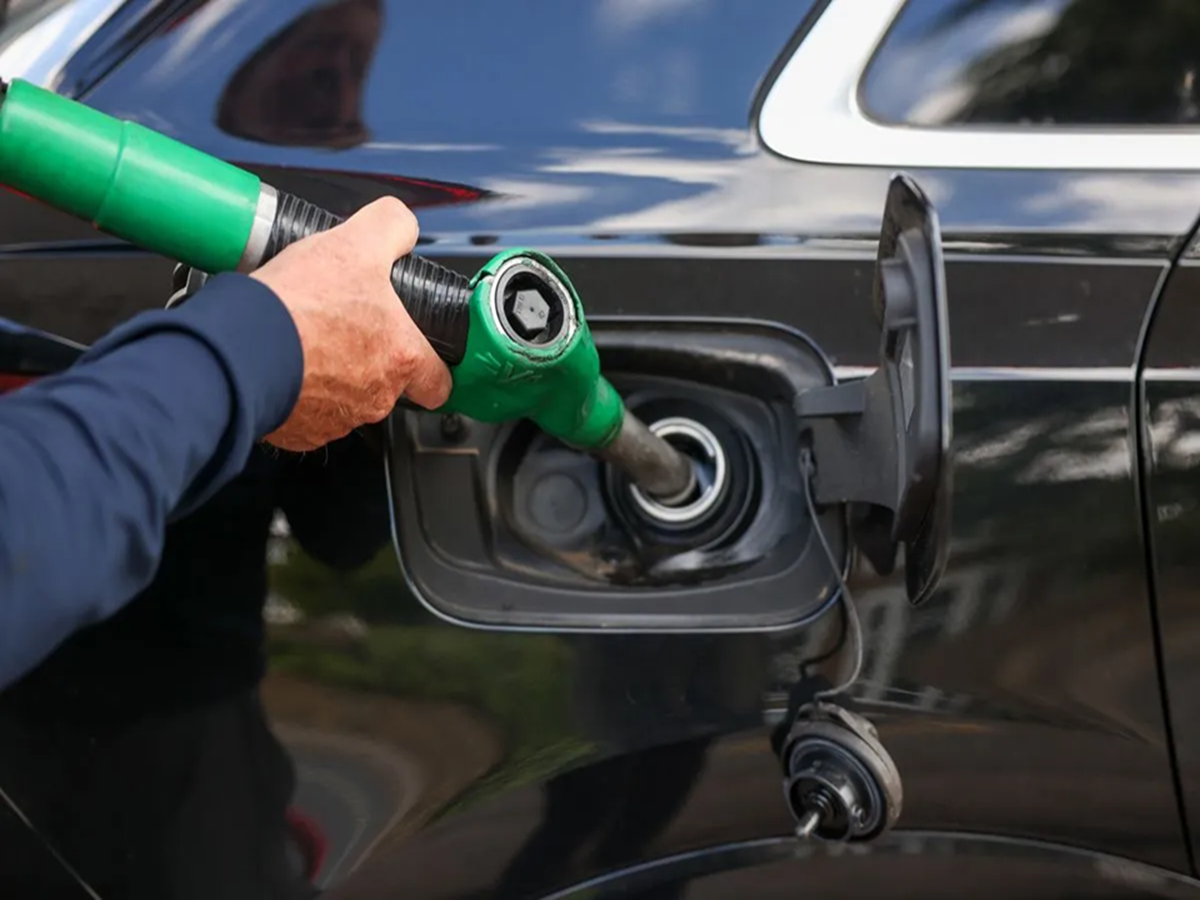
Petrol and diesel prices may increase once again.
Petrol Diesel News: The war between Iran and the United States has resumed, raising fears about whether inflation will rise again. The Strait of Hormuz has created a crisis, prompting speculation that petrol and diesel prices will rise again. However, the government has yet to announce anything on this matter. However, let's consider what the government can do in such a crisis.
Rising Crude Oil Prices
Crude oil prices rose in March and April, forcing the government to raise petrol and diesel prices in May. This caused significant public distress. Now, the situation is back to normal. The Iran-US war has begun, causing crude oil prices to rise again. Today, Tuesday, the price of Brent crude oil reached approximately $86 per barrel.
The government currently has two options:
either raise petrol and diesel prices and pass the burden onto the public, or reduce taxes and shoulder the burden. While the government hasn't yet announced any such move, the public is understandably stressed by the persistent rise in crude oil prices.
Oil companies are also under pressure.
If anyone is under more pressure than the public right now, it's the oil companies, because the biggest impact of rising oil prices falls on state-owned oil companies. Government companies like Indian Oil Corporation Limited (IOCL), Bharat Petroleum Company Limited (BPCL), and Hindustan Petroleum Corporation Limited (HPCL) are often unable to raise prices immediately due to political and social reasons. This pressure falls on them, and the companies incur losses.
According to government data, the total under-recovery of these companies had reached ₹2.19 lakh crore by June 2026. This means that the companies continued to sell fuel below cost for a long time. If a similar situation arises again, the pressure on oil companies will increase again.
Prices had increased in May.
The war between Iran and the US had been going on since February, but the government reduced taxes till April and did not let the pressure of rising prices fall on the people. But when the pressure on the government and oil companies increased, then the government decided to increase the prices of petrol and diesel. Petrol and diesel prices increased four times in the month of May. If once again the price of crude oil crosses Rs 100 per barrel, then once again the government and oil companies will come under pressure. Then the government will be left with only two options. Now it remains to be seen whether the government puts the burden on the public in advance or manages the situation for some time.