LIFESTYLE
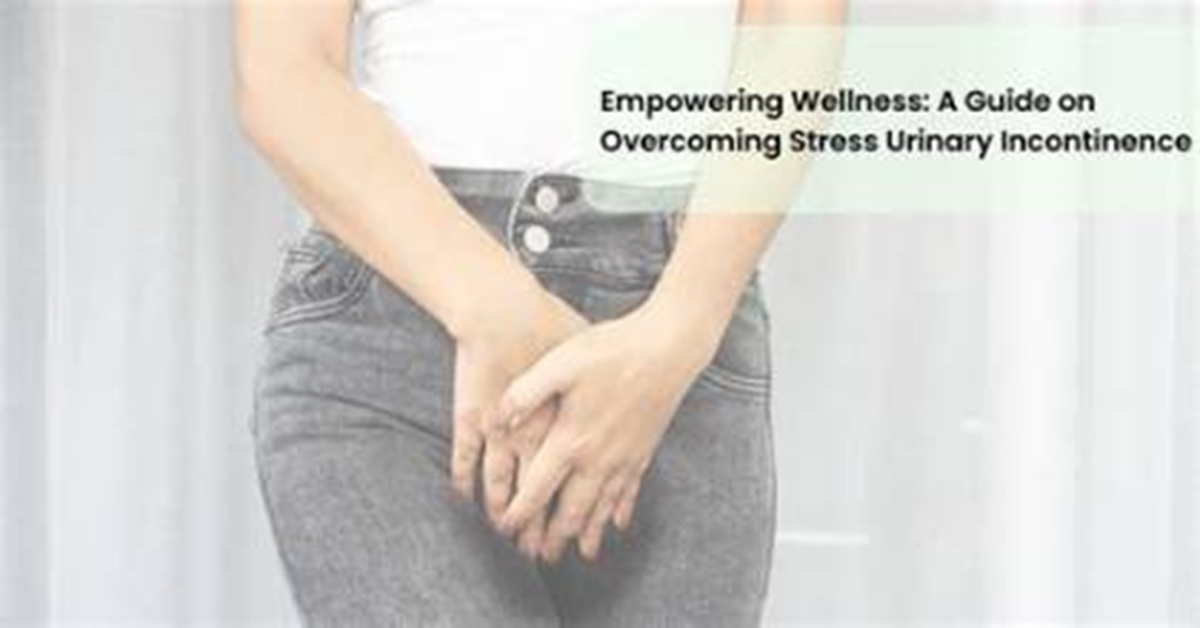
Personal Hygiene Tips: Take special care of private parts and personal hygiene; do not ignore these things
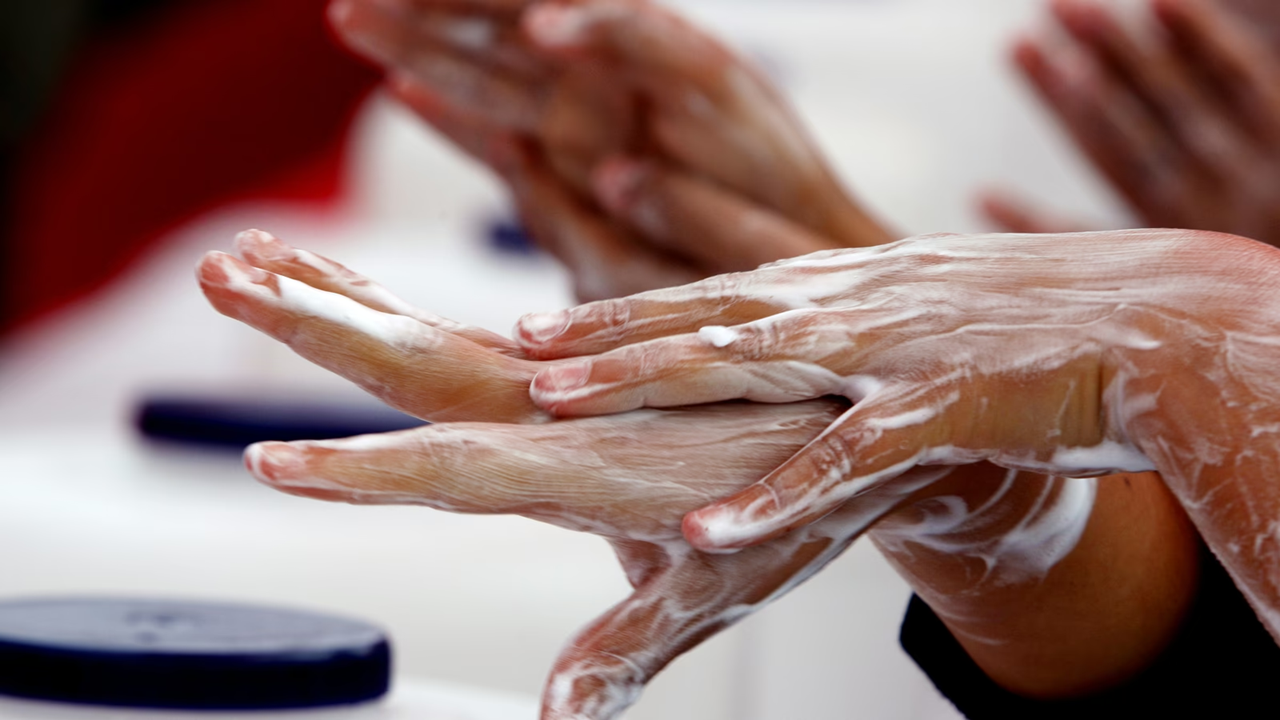
Small mistakes related to private parts and personal hygiene can cause problems. Take special care of these things.
How to take care of personal hygiene?
Personal Hygiene Tips: When it comes to grooming or skin care, we all spend a lot of money on our grooming and face and also use many types of products, but as much as we consider it important to take care of the rest of our skin, it is equally important to take care of private parts/personal hygiene as this can prevent the accumulation of sweat, dirt and bacteria.
Why is it important to take care of personal hygiene?
Maintaining personal hygiene is crucial for health, as failing to maintain proper care can lead to infections, irritation, odor, and a host of other problems. In particular, improper cleaning practices, such as vaginal douching or the use of chemical soaps, disrupt the natural pH balance, increasing the risk of recurring infections.
Meanwhile, in men, if the area under the foreskin isn't cleaned, dirt can accumulate, leading to infection. Furthermore, poor hygiene can lead to problems like urinary tract infections (UTIs), which can be painful and recurrent. These may be minor at first, but repeated occurrences can lead to a more serious problem.
How to take care of private parts and personal hygiene?
Women only need to clean their vulva externally. To maintain proper hygiene, they should clean only the vulva (the external area) with lukewarm water or a mild, unscented soap. If using tissue paper, always wipe from front to back after using the toilet. During your period, change pads every 4-6 hours and tampons or menstrual cups as directed to prevent any infections.
Men should also wash their private parts daily, gently pulling back the foreskin to clean the underside and then dry it thoroughly. Both men should wear cotton underwear and change it daily. Avoid staying in wet clothes for long periods of time after exercising or swimming, as this increases the risk of contracting rashes and other illnesses. Urinating after intercourse is also essential. This helps prevent UTIs. If any unusual symptoms persist, consult a doctor immediately.