LIFESTYLE
Pear Nutrition and Health Benefits: How This Fiber-Rich Fruit Can Support Digestion and a Balanced Diet
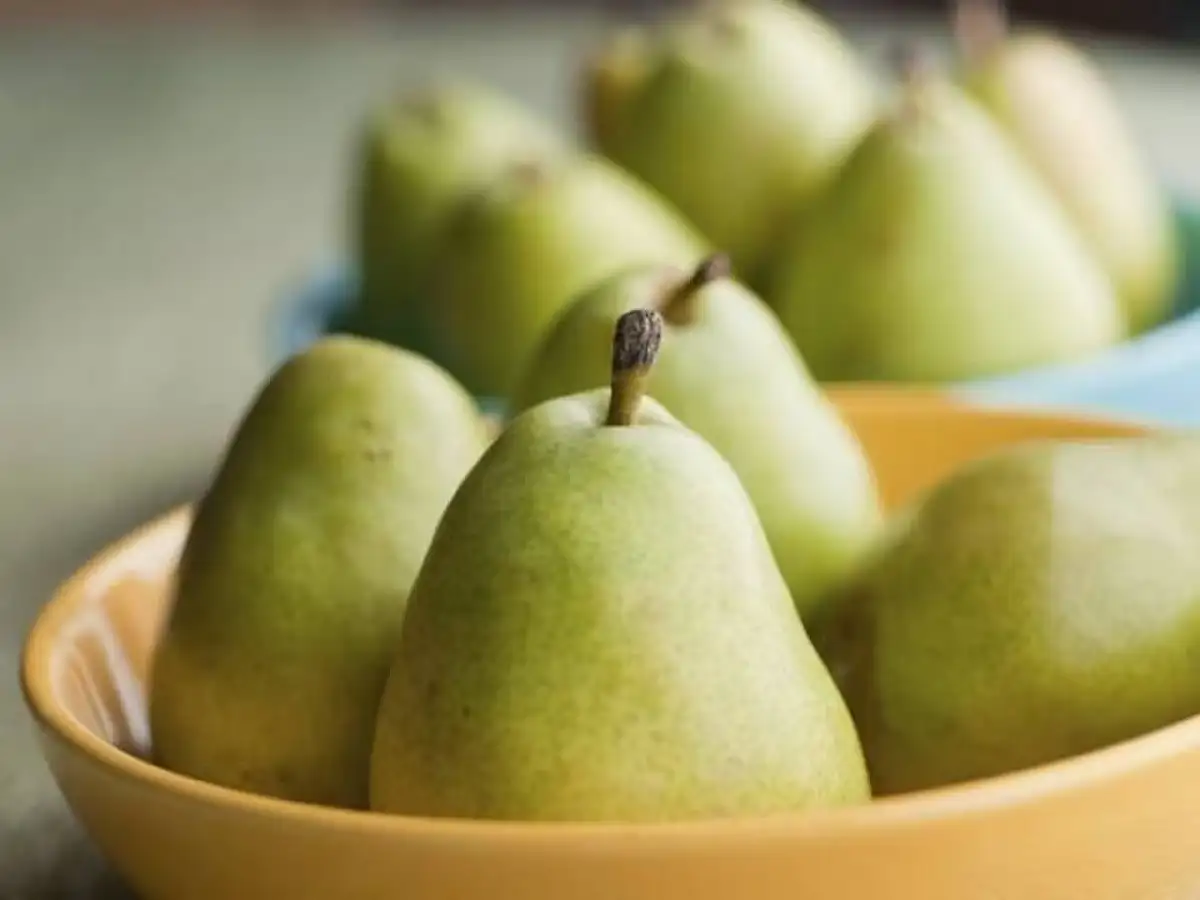
Fruits are an important part of a balanced diet because they provide fiber, vitamins, minerals and a variety of naturally occurring plant compounds. Pears are one such nutritious option that can be easily included in everyday meals and snacks.
With their naturally sweet taste and high water content, pears are often compared with apples. However, pears have their own nutritional profile and are particularly notable for their dietary fiber content. A medium-sized pear can provide more than 5 grams of fiber, along with potassium, vitamin C, vitamin K and several other micronutrients.
Eating pears as part of a varied diet may help support normal digestion, while their fiber content can also be useful for maintaining regular bowel movements.
What Nutrients Are Found in a Medium-Sized Pear?
According to the nutritional figures provided, a medium pear weighing approximately 178 grams supplies around 101 calories.
It contains a combination of minerals, vitamins and dietary fiber.
| Nutrient | Approximate Amount |
|---|---|
| Energy | 101 kcal |
| Dietary Fiber | 5.52 g |
| Plant-Based Protein | 0.641 g |
| Potassium | 206 mg |
| Calcium | 16 mg |
| Magnesium | 12.5 mg |
| Phosphorus | 21.4 mg |
| Iron | 0.32 mg |
| Vitamin C | 7.65 mg |
| Vitamin K | 7.83 mcg |
| Folate | 12.5 mcg |
| Vitamin A | 1.78 mcg |
Pears also contain small amounts of several B-complex vitamins.
The exact nutritional content can vary depending on the variety, size and ripeness of the fruit.
Pears Are a Good Source of Dietary Fiber
One of the biggest nutritional advantages of pears is their fiber content.
A medium-sized pear contains approximately 5.52 grams of dietary fiber, according to the figures above. Fiber plays an important role in maintaining normal digestive function.
It can add bulk to stool and support regular bowel movements. For this reason, consuming adequate amounts of fiber-rich foods may be helpful for people trying to prevent or manage occasional constipation.
However, pears should not be considered a treatment for persistent digestive problems. Anyone experiencing prolonged or severe constipation, abdominal pain or other concerning symptoms should seek medical advice.
Eating Pears With the Skin Can Provide More Fiber
If the pear is properly washed and suitable for eating with its skin, consuming the whole fruit can help retain more of its natural fiber.
Peeling fruit may remove some of the fiber and plant compounds concentrated in or near the outer layer.
Wash pears thoroughly under clean running water before eating them. They can then be sliced or eaten whole depending on personal preference.
Whole Pear or Pear Juice: Which Is Better?
For most people, eating a whole pear is nutritionally preferable to drinking pear juice.
When a pear is eaten whole, its natural fiber remains part of the food. Juice processing can reduce or remove much of that fiber, depending on how the drink is prepared.
Whole fruit also requires chewing and generally takes longer to consume, making it an easy way to include fiber-rich food in a balanced diet.
Therefore, unless there is a specific dietary reason to choose juice, eating the whole fruit is usually the more nutritious option.
Pears Also Provide Potassium and Vitamin C
Pears provide several micronutrients in addition to fiber.
A medium pear contains approximately 206 mg of potassium. Potassium is an essential mineral involved in normal muscle and nerve function and contributes to maintaining normal fluid balance in the body.
The fruit also provides approximately 7.65 mg of vitamin C. Vitamin C contributes to normal immune function and is also needed for collagen formation. It acts as an antioxidant as well.
Pears additionally contain smaller amounts of calcium, iron, magnesium, phosphorus, folate and vitamin K.
Pears Contain Naturally Occurring Plant Compounds
The nutritional value of pears is not limited to basic vitamins and minerals.
They also contain naturally occurring plant compounds, including carotenoids and other phytochemicals. The source material mentions compounds such as beta-carotene, lutein and zeaxanthin, along with choline.
Beta-carotene can be converted by the body into vitamin A, although the amount provided by pears is relatively modest compared with foods particularly rich in carotenoids.
The fruit may also contain small quantities of different fatty acids and other naturally occurring components.
Can Pears Help With Constipation?
Because pears contain dietary fiber and water, including them in a balanced diet may support bowel regularity.
Fiber works best when overall fluid intake is adequate. Suddenly increasing fiber consumption without drinking sufficient fluids may cause bloating or digestive discomfort in some people.
Instead of relying on one particular fruit, a healthy digestive diet should ideally include a variety of fruits, vegetables, whole grains, pulses and other fiber-rich foods.
Physical activity and adequate hydration are also important for normal bowel function.
How Can You Add Pears to Your Diet?
Pears require very little preparation. Wash the fruit thoroughly and eat it fresh, preferably with the edible skin if appropriate.
Pears can also be sliced into breakfast cereals, oats, yogurt or salads. They may be paired with nuts or other foods to create a more filling snack.
Because pears naturally contain sugars, portion size can still matter for people who need to closely manage carbohydrate intake.
Are Pears Healthy for Everyone?
For most healthy people, pears can be included as part of a varied and balanced diet.
However, individual nutritional requirements differ. People with certain digestive disorders, food intolerances, allergies, kidney-related dietary restrictions or medically prescribed diets may need personalised guidance about fruit intake.
A dietitian or healthcare professional can provide advice where specific medical or nutritional restrictions apply.
Bottom Line
Pears are a nutrient-rich fruit that provides dietary fiber, potassium, vitamin C, vitamin K and smaller quantities of several other vitamins and minerals.
Their fiber content makes them particularly useful as part of a diet designed to support healthy digestion and regular bowel movements.
For maximum nutritional value, eating a properly washed whole pear, including its edible skin, can be a better choice than consuming filtered pear juice.
Rather than treating pears as a cure for any particular health problem, they are best viewed as one nutritious component of a varied diet containing plenty of fruits, vegetables, whole grains and other minimally processed foods.