NEWS
PAN Card Rules Relaxed: Higher Limits for Cash Payments and Hotel Bills Bring Relief to Taxpayers
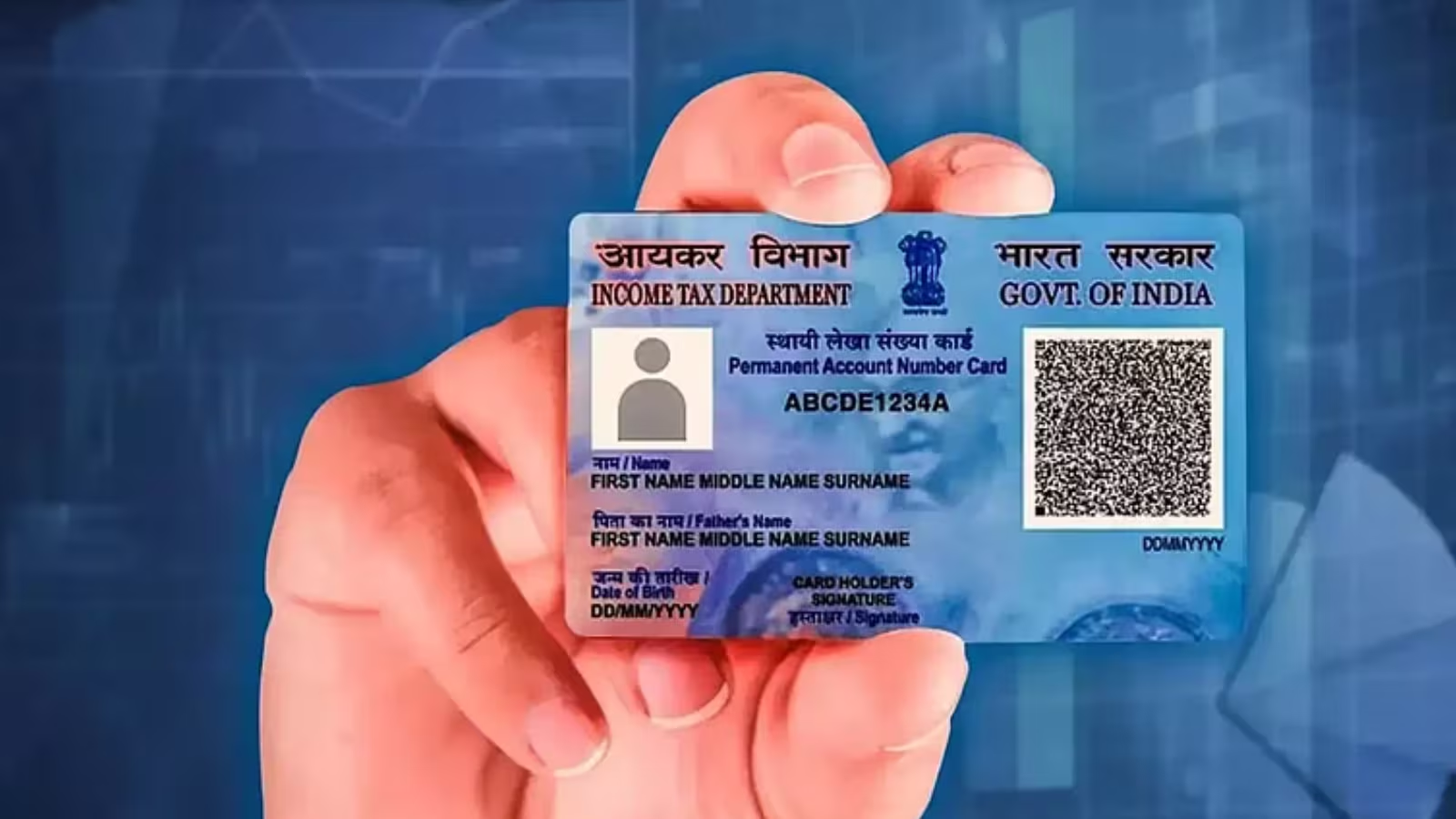
In a move expected to ease financial transactions for millions of citizens, the government has revised certain compliance norms related to PAN card requirements in India. The updated rules aim to simplify everyday payments, reduce paperwork hassles, and improve convenience for taxpayers—especially middle-class individuals who frequently encounter documentation requirements during routine spending.
Key Relief Under Revised PAN Rules
Under the newly updated guidelines, authorities have increased the threshold limits above which furnishing a PAN card becomes mandatory for certain transactions. These include cash payments, hotel bills, and property dealings. Previously, individuals were required to provide PAN details once a transaction crossed a specific amount, which often created inconvenience—particularly for smaller or urgent payments.
With the enhanced limits, people can now complete many transactions without needing to present their PAN information immediately, as long as the payment remains below the revised threshold. This change is expected to benefit those who prefer cash payments or may not always carry PAN documentation.
Travel and Hospitality Expenses Made Easier
Frequent travelers and holidaymakers stand to gain significantly from the relaxed norms. Earlier, high-value hotel payments often required instant PAN submission, which sometimes delayed checkouts or caused confusion. Under the revised framework, travelers can settle large bills more smoothly unless the payment exceeds the updated limit.
Officials believe this flexibility could also support the tourism and hospitality sectors by removing procedural friction for customers. The step is designed to balance compliance requirements with practical convenience while ensuring legitimate transactions remain straightforward.
Simplified Property Transactions
The rule changes also extend to real estate dealings. Buyers and sellers will now face fewer documentation hurdles when completing property transactions that fall within the revised limits. For middle-income families planning to purchase homes using their savings, this could reduce delays and administrative complications.
Market observers suggest that easing such requirements may encourage smoother cash flow within the property sector and help smaller investors participate more confidently. While compliance rules still apply for larger transactions, the relaxed thresholds are seen as a positive step toward improving accessibility.
What It Means for Ordinary Taxpayers
The government’s decision is widely viewed as part of a broader effort to enhance ease of living and streamline financial processes. Tax authorities believe the updated rules will reduce unnecessary scrutiny for genuine taxpayers while still allowing regulators to monitor large or suspicious transactions.
For individuals, the practical benefit is clear: routine spending, modest investments, and daily financial activities can now be completed with fewer formalities. This reduces the need to repeatedly submit PAN copies for minor payments and saves time during urgent transactions.
Compliance Still Matters
Despite the increased limits, officials emphasize that compliance requirements have not been eliminated. Authorities will continue to monitor high-value or unusual transactions closely to prevent misuse. Citizens are therefore advised to maintain accurate financial records and ensure transparency in all monetary dealings.
The revision of PAN card thresholds marks a taxpayer-friendly reform aimed at reducing procedural obstacles without compromising financial oversight. By simplifying rules for cash payments, hotel expenses, and property transactions, the government hopes to make everyday financial life more convenient while maintaining safeguards against irregular activity. For honest taxpayers, the move represents a practical step toward smoother, faster, and less stressful transactions.