Business
PAN Card Fraud Alert 2026: How to Check If Someone Has Taken a Loan Using Your PAN Without Permission
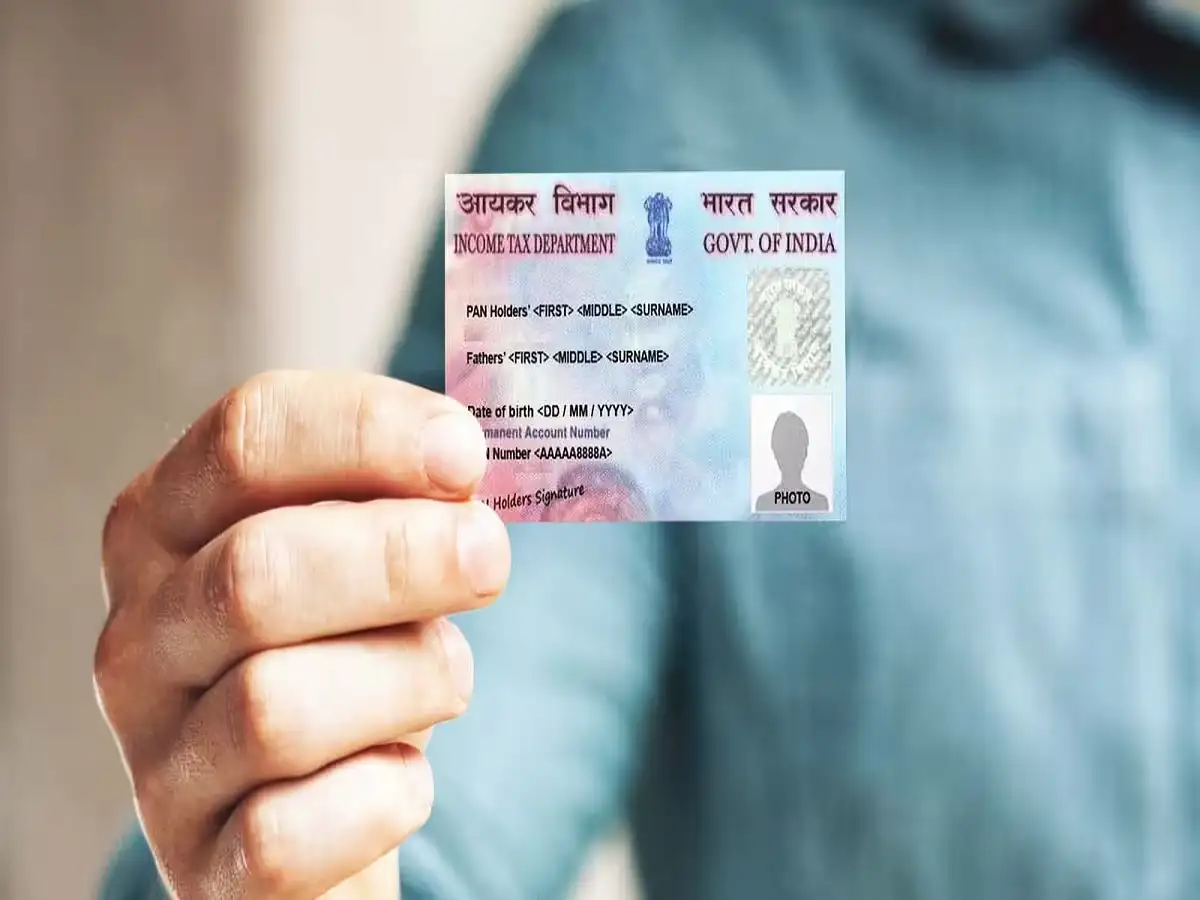
PAN Card Loan Fraud 2026: Your Permanent Account Number (PAN) is one of the most important financial identification documents in India. It is widely used for banking transactions, income tax filings, loan applications, credit card approvals, and several other financial activities. However, the misuse of PAN details can expose individuals to identity theft and unauthorised financial transactions.
Imagine discovering that a personal loan or credit card has been issued in your name even though you never submitted an application. Such situations can occur when fraudsters misuse stolen identity documents or personal information to obtain credit.
An unauthorised loan may also damage your credit history if repayments are missed, potentially creating difficulties when you apply for legitimate loans in the future.
Fortunately, consumers can examine their credit reports online to identify unfamiliar loan accounts, suspicious credit enquiries, and other irregularities.
Here is a detailed guide explaining how to check loans associated with your financial identity, identify potential PAN-related fraud, and report suspicious activity.
Can Someone Take a Loan Using Your PAN Card Without Your Knowledge?
A PAN number alone should not be sufficient to obtain a legitimate loan because regulated lenders are required to follow applicable customer identification and verification procedures.
However, fraudsters may attempt to misuse PAN details alongside stolen identity documents, compromised mobile numbers, forged information, or other fraudulent methods.
If such misuse results in an unauthorised credit account being reported under your identity, it may appear in your credit report.
This is why regularly reviewing your credit history is an important financial safety practice.
A credit report provides information about loans, credit cards, repayment behaviour, outstanding balances, and enquiries submitted by lenders.
Unexpected entries may indicate reporting errors or possible identity misuse requiring investigation.
How to Check Loans Linked to Your PAN Through CIBIL
TransUnion CIBIL is one of India's recognised credit information companies. Consumers can access their credit information through its official website.
Follow these steps to review your credit accounts.
Step 1: Visit the Official CIBIL Website
Open a web browser on your smartphone, tablet, or computer.
Visit the official website at www.cibil.com.
Look for the option to access your CIBIL score and credit report.
Choose the appropriate consumer registration or login option to continue.
Step 2: Register or Sign In to Your Account
If you are a first-time user, complete the registration process by providing the requested personal information.
Depending on the current registration procedure, this may include your name, date of birth, mobile number, email address, and identification details.
Create secure login credentials and follow the instructions displayed on the website.
Existing users can sign in using their registered credentials.
Consumers should also be aware that eligible individuals are entitled to one free full credit report each calendar year from each credit information company under RBI rules.
Paid subscription services may offer additional features or more frequent access, but purchasing a subscription is not necessarily required for the annual free report.
Step 3: Complete Identity Verification
During registration or verification, you may be asked to provide your PAN details and answer identity-related questions.
Enter the information carefully and complete any required OTP verification.
Use only the official website or authorised application when submitting sensitive personal information.
Avoid clicking on unfamiliar links received through SMS, WhatsApp, or email that claim to provide instant credit reports.
Once verification is successful, proceed to your credit report.
Step 4: Review Your Loan and Credit Card Information
After accessing the report, carefully examine the information associated with your credit profile.
Pay particular attention to:
- Active personal, home, vehicle, and other reported loan accounts.
- Closed loans and their repayment status.
- Credit cards issued under your identity.
- Outstanding balances and overdue payments.
- Loan repayment history.
- Recent credit enquiries made by financial institutions.
- Accounts belonging to unfamiliar banks or lending companies.
If you notice a loan or credit card that you do not recognise, investigate the entry immediately.
However, an unfamiliar entry does not automatically prove fraud. Sometimes reporting mistakes, outdated information, or differences in lender names may cause confusion.
What Should You Do If an Unknown Loan Appears in Your Credit Report?
Discovering an unfamiliar credit account can be worrying, but taking prompt and organised action can help you address the problem.
1. Contact the Bank or Lending Institution
Identify the financial institution listed against the suspicious loan.
Contact the lender through its official customer support channel and explain that you do not recognise the account.
Request information about the loan and ask the institution to investigate whether your identity has been misused.
Avoid contacting phone numbers provided in suspicious messages or unsolicited calls.
2. Submit a Formal Complaint to the Lender
If you believe the loan was obtained fraudulently, register a written complaint with the concerned bank or financial institution.
Clearly state that you did not apply for, authorise, or receive the loan.
Request a complaint reference number and preserve copies of all communication.
The lender may need to examine its records, identity-verification procedures, and supporting documents before determining what happened.
3. Raise a Dispute With CIBIL
Consumers can dispute inaccurate credit information through the official CIBIL dispute-resolution process.
After logging in, locate the relevant dispute option and identify the account or information that appears incorrect.
Provide the required details and submit the dispute.
The credit information company generally coordinates with the reporting lender to verify the disputed entry.
Importantly, CIBIL cannot independently remove accurate lender-reported information simply because a consumer requests deletion. Corrections ordinarily require appropriate verification and updates from the reporting institution.
4. Report Suspected Cyber Fraud
If you suspect that your PAN or other identity information has been used for financial fraud, you can report the matter through India's National Cyber Crime Reporting Portal.
Official Portal: cybercrime.gov.in
Cyber Fraud Helpline: 1930
The 1930 helpline is particularly important for reporting financial cybercrime. If money has been fraudulently transferred, reporting promptly may improve the chances of intervention.
For suspected identity theft involving an unauthorised loan, use the appropriate complaint category on the official portal.
5. Preserve Documents and Complaint Records
Maintain a record of all relevant evidence, including the credit report showing the suspicious account, lender correspondence, complaint acknowledgements, and dispute reference numbers.
These records may be useful during investigations and subsequent follow-ups.
If the lender does not resolve your complaint satisfactorily, you may also consider the applicable grievance escalation process, including the RBI Integrated Ombudsman Scheme where eligible.
How Often Should You Check Your Credit Report?
Checking your credit report periodically can help identify unfamiliar financial activity before it becomes a larger problem.
A review is particularly useful before applying for a major loan, after losing important identity documents, or when you receive unexpected loan-related messages.
Consumers can obtain reports from recognised credit information companies, including TransUnion CIBIL, Experian, Equifax, and CRIF High Mark.
Because reporting timelines and lender participation may differ, checking more than one credit bureau can sometimes provide a broader picture.
It is important to understand that a credit report may not immediately reflect every recently opened account, and not every financial transaction is necessarily reported to all bureaus.
Important Safety Tips to Prevent PAN Card Misuse
Protecting your financial identity requires caution when sharing personal documents.
Avoid sending PAN card photographs or copies to unknown individuals or unverified websites.
When submitting documents to a legitimate organisation, use secure and authorised channels.
Do not share OTPs, banking passwords, or account login credentials with anyone claiming to be a lender or government representative.
Be especially careful about unsolicited loan offers promising guaranteed approval or requiring advance payments.
If you suspect that your personal information has been compromised, review your financial accounts, update relevant passwords, and monitor your credit reports.
Final Reminder: Regular Credit Checks Can Help Detect Financial Identity Fraud
PAN card misuse can create serious complications if unauthorised loans or credit cards are issued under someone's identity.
Although legitimate lenders must follow verification procedures, identity theft and fraudulent applications remain important risks.
Reviewing your credit report, checking unfamiliar enquiries, and reporting suspicious accounts promptly can help protect your financial reputation.
If you discover an unknown loan, contact the lender, raise a credit bureau dispute, and report suspected fraud through official channels without unnecessary delay.
Important Official Links:
Disclaimer: This article is intended for general financial awareness. Credit reporting procedures and grievance mechanisms may change. Readers should verify current instructions through official websites.