SPORTS
On This Day in 1984: The Birth of Cricket’s “Mr. 360” — How AB de Villiers Redefined Modern Batting
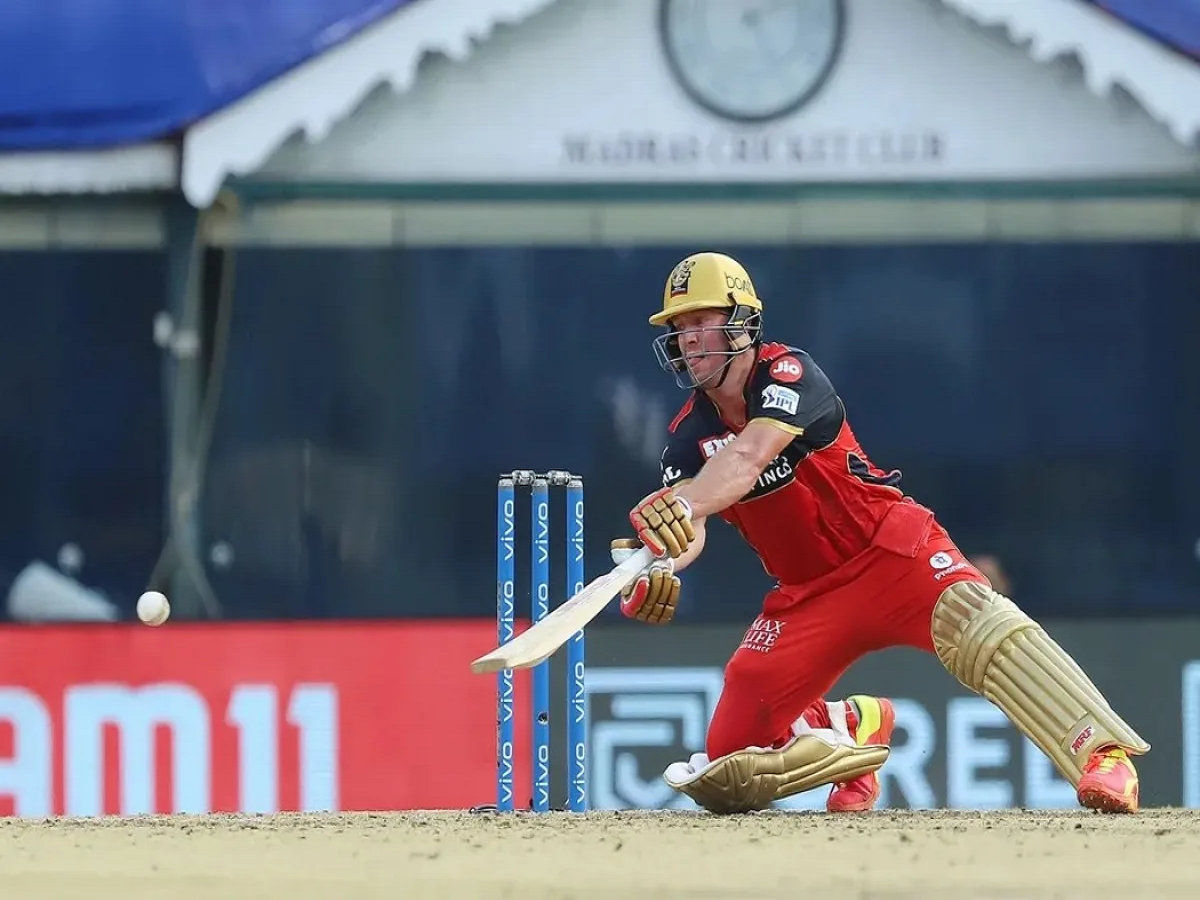
On February 17, 1984, the cricketing world unknowingly welcomed a player who would go on to change the way batting is perceived across formats. AB de Villiers, often called “Mr. 360” for his ability to hit shots to every corner of the ground, became one of the most innovative and entertaining cricketers of his generation. His journey from a multi-sport prodigy to a global cricket icon is a story of talent, persistence, and fearless creativity.
A Natural Athlete Destined for Greatness
Long before he became a cricket superstar, de Villiers showed exceptional talent across multiple sports. He excelled in tennis, golf, and rugby during his school years, demonstrating remarkable athletic versatility. Many believed he could pursue a professional career in any of these disciplines. Yet destiny had other plans. Choosing cricket as his main focus, he began shaping a career that would eventually influence an entire generation of batters.
International Debut and Early Struggles
De Villiers made his international debut for South Africa in 2004. While his early performances hinted at promise, his initial years were marked by inconsistency. At times he dazzled with stylish strokeplay; at others he fell cheaply. Critics questioned whether he could fulfill his immense potential. However, those doubts faded as he refined his technique and developed the mental strength needed at the highest level.
The Breakthrough Year: 2008
The year 2008 proved to be a turning point. During that period, he delivered several match-winning performances that announced his arrival as a world-class batter. Against England, he scored a magnificent double century, showcasing patience and precision. Soon after, he struck a brilliant 174 at Headingley and followed it with an unbeaten 106 in Perth against Australia. Those innings played a crucial role in historic away victories for his team and established him as one of cricket’s most dependable match-winners.
Record-Breaking Feats and Batting Mastery
In 2010, de Villiers etched his name into record books with an unbeaten 278 against Pakistan, then the highest individual score by a South African in Tests. But perhaps his most astonishing achievements came in limited-overs cricket. In 2015, he stunned the world by smashing the fastest century in One Day International history—reaching the milestone in just 31 balls. In the same innings, he also recorded the fastest 150 in ODIs, taking only 64 deliveries.
These performances highlighted what made him unique: unpredictability. Bowlers never knew what to expect. Whether it was a scoop over fine leg, a reverse sweep for six, or a straight drive past the bowler, he possessed every shot imaginable. His 360-degree strokeplay forced teams to rethink bowling strategies and field placements.
Leadership, Injuries, and Captaincy Shift
De Villiers’ excellence earned him leadership responsibilities. He became South Africa’s ODI captain in 2011 and later took over the Test captaincy in 2016. However, injuries disrupted his tenure in the longest format, limiting his time as skipper. During his absence, Faf du Plessis stepped in and performed strongly, eventually taking over the role permanently.
Farewell to International Cricket
After years of thrilling fans with breathtaking innings, de Villiers announced his retirement from international cricket in 2018. His departure marked the end of an era, but his legacy continues to inspire players worldwide. He didn’t just score runs—he reimagined how the game could be played.
Legacy of a Game Changer
AB de Villiers remains one of the most admired cricketers in history, celebrated not only for his records but also for his sportsmanship and humility. His career serves as proof that innovation and fearlessness can transform sport. Even years after his retirement, fans still revisit his highlights to relive the magic of a player who could, quite literally, hit the ball anywhere.
In cricket history, February 17 isn’t just another date—it’s the birthday of a legend who turned batting into an art form.