Do women get complete nutrition from just roti and vegetables? Learn which essential nutrients should be included in your daily diet to keep your body healthy and full of energy.
Roti and sabji are considered a trusted and beloved meal. Being the perfect combination of taste and health, they are an essential part of everyone's plate. Women, in particular, include roti and sabji in their daily diet, believing that home-cooked meals are perfectly balanced and nutritious.
Not just roti and vegetables, add these foods for nutrition
Does eating only roti and vegetables really provide the body with the necessary nutrition? If you feel the same way, let us tell you that this plate is filling, but often lacks some essential nutrients. To maintain strength, energy, and long-term health, it's important to include additional items in your plate. Dr. Padmini BV, dietitian and nutrition expert at Apollo Hospitals, Bengaluru, explains these tips.
Protein-rich foods
The biggest missing ingredient in the plate is protein. Many women eat two rotis with a few vegetables, but don't include lentils, yogurt, cheese, eggs, chickpeas, kidney beans, sprouts, soy, or other protein-rich foods.
- Protein is essential for muscle strength, hair health, skin repair, immunity, hormonal balance and keeping the stomach full for a long time.
- If there is not enough protein in the diet, women may experience problems like fatigue, early hunger, hair loss, weakness, slow recovery or gradual loss of muscle mass.
Variety in diet
By eating the same vegetables every time, the body does not get adequate amounts of essential vitamins, minerals and antioxidants.
- Nutrients like iron, calcium, vitamin D, vitamin B12, folate, magnesium and zinc are very important for women.
- These help in improving energy, bone strength, menstrual health, mood and staying healthy for a long time.
Healthy fats
A plate of roti and vegetables can also be lacking in healthy fats. Many women reduce their fat intake due to fear of weight gain. For some, the main source of fat in their diet is excess oil, fried snacks, or processed foods. This is completely unacceptable. Healthy fats like nuts, seeds, peanuts, sesame seeds, flax seeds, and small amounts of ghee or cold-pressed oil are essential for hormonal balance, skin health, and the absorption of fat-soluble vitamins in the body.
Fiber-rich foods
It's also important to consider a lack of fiber in your diet. While vegetables provide fiber, they're often in small amounts. Including salads, green leafy vegetables, whole pulses, and seasonal fruits can improve digestion, reduce cravings, and maintain good gut health.
Fermented food
Yogurt, buttermilk, and fermented foods shouldn't be overlooked either. These items are considered optional in many households, but they aid digestion and provide calcium and protein.
A balanced plate should include
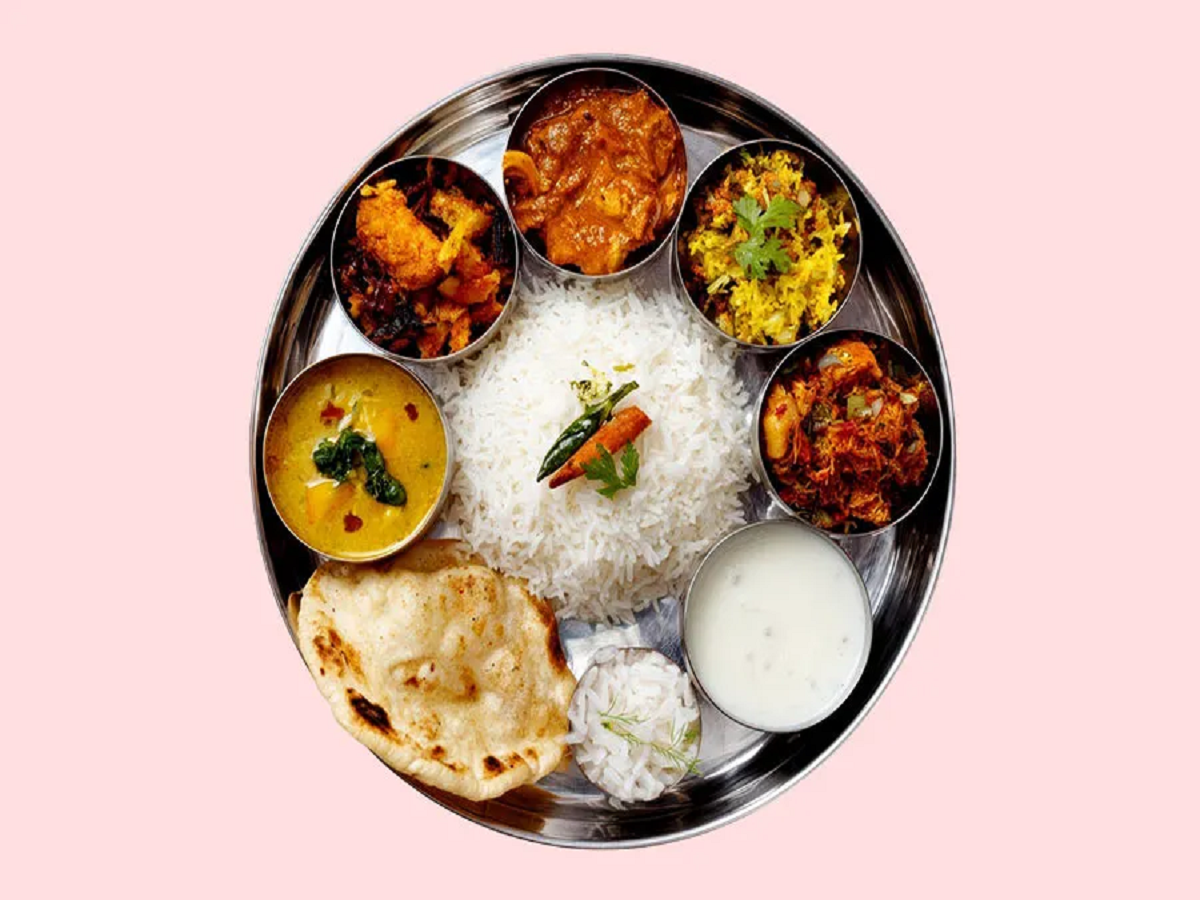
Your daily meal should be both delicious and satisfy your body's nutritional needs. This requires a proper balance of essential foods like grains, vegetables, protein, and dairy products.
| 1/4 of the plate | Bread, rice, or other whole grains |
| 1/4 of the plate | Vegetables, pulses and salads |
| 1/4 of the plate | Protein-rich foods |
| Together | A bowl of curd or yogurt |
For non-vegetarian women, eggs, fish, or lean meat can be good sources of protein . For vegetarians, lentils, paneer, chickpeas, kidney beans, and soy can be good options. For example, a plate of roti, vegetables, lentils, or roti, paneer, and salad is more balanced than just roti and vegetables.
Home-cooked meals are a good start, but home-cooked meals aren't always perfectly balanced. For women experiencing conditions like menstruation, pregnancy, perimenopause, or aging, the daily meal should not only satisfy hunger but also provide strength, energy, and nutrition.
If you enjoyed this story, please share it. Stay connected with Harzindagi for more stories like this.
Image Credit: magnific.com