NEWS
No More Premium Toll on Incomplete Expressways: Government Brings Major Relief for Highway Users
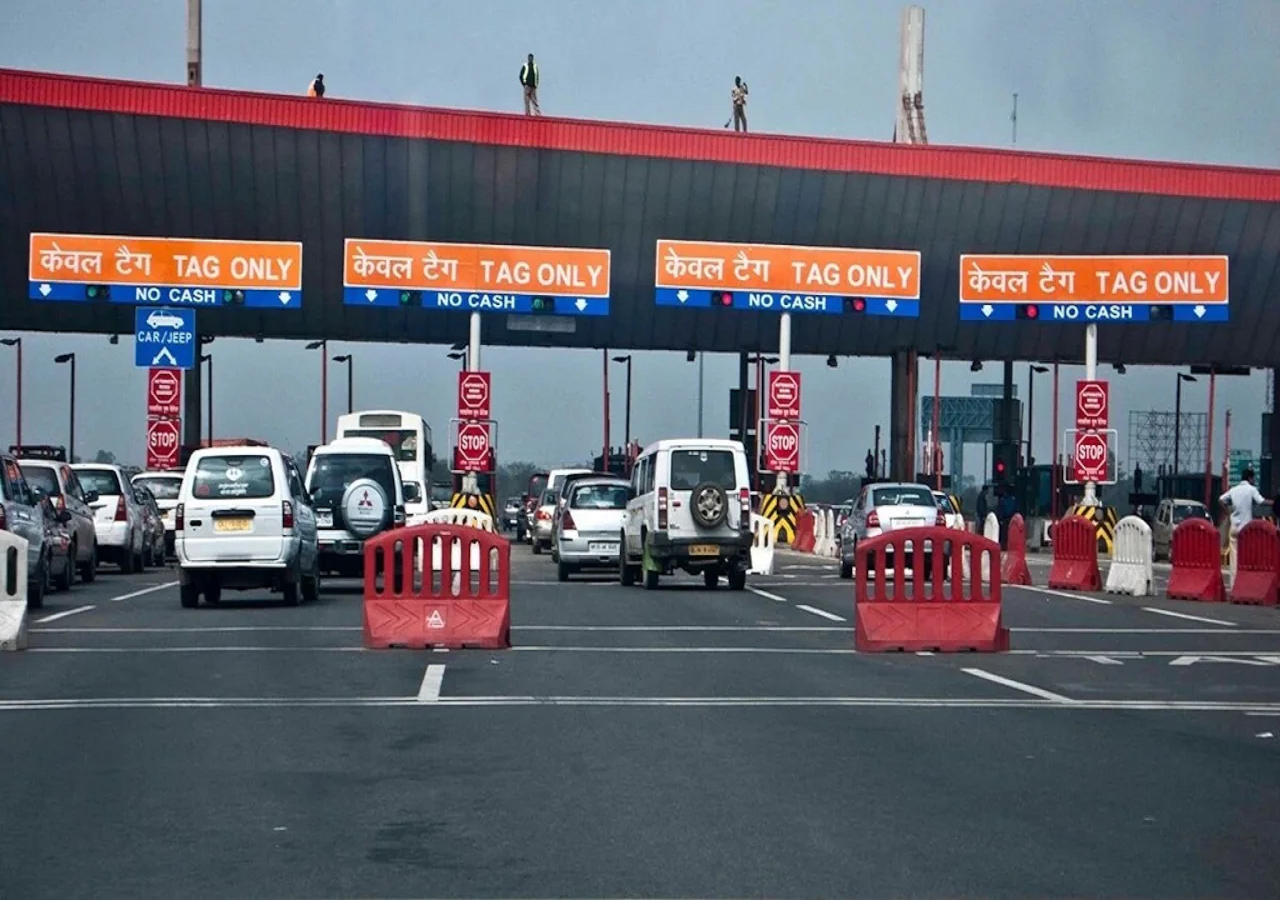
In a significant move aimed at easing the financial burden on highway commuters, the central government has amended the National Highways toll rules. The new provision, which came into effect on February 15, 2026, is expected to directly benefit motorists who frequently travel on partially completed expressways across India.
The revised policy ensures that drivers will no longer be required to pay premium toll charges on expressways that are not fully operational from end to end. The decision has been widely viewed as a pro-consumer step designed to improve fairness and transparency in toll collection.
No Full Toll for Partial Facilities
Until now, it was common practice for newly built expressways to open certain stretches to traffic even while construction continued on other sections. Because expressways typically offer faster and smoother travel, toll operators often charged up to 25% more than standard national highway rates.
However, commuters frequently faced diversions, bottlenecks, and construction-related delays on these incomplete corridors. Despite the reduced level of service, motorists were still required to pay the higher premium toll — a long-standing grievance among highway users.
Under the amended rules, if a national expressway is not fully functional from start to finish, toll plazas on the operational stretch must charge only the standard national highway rate instead of the premium expressway fee. In simple terms, users will now pay according to the actual level of service they receive.
Policy Objectives Behind the Change
The Ministry of Road Transport and Highways has introduced the reform with multiple goals in mind:
Encouraging Expressway Usage
Lower toll rates are expected to motivate motorists to use the completed portions of expressways rather than sticking to older, congested routes.
Better Traffic Distribution
By shifting more vehicles to expressway corridors, the government aims to reduce pressure on parallel national highways and ease traffic congestion.
Reduced Fuel Consumption and Emissions
Smoother traffic flow typically leads to fewer stops and idling, which can help cut fuel usage and lower vehicular pollution.
Greater Transparency and Fairness
Perhaps the most important objective is to ensure that commuters pay only for the facilities they actually receive, addressing long-standing concerns about overcharging on under-construction infrastructure.
Validity of the New Rule
According to the government, the relief has been introduced under the National Highways Fee (Determination and Collection) Amendment Rules, 2026.
The provision will remain in force for an initial period of one year. If an expressway becomes fully operational within that timeframe, the earlier premium toll rates may be reinstated. Until construction is completed end-to-end, however, motorists will continue to benefit from the reduced toll structure.
Additional Updates for Vehicle Owners
Alongside the toll reform, authorities have also tightened digital toll compliance measures. The use of FASTag has been made more stringent across national highways.
Motorists traveling without a valid FASTag may now have to pay double the toll in cash lanes. This step is intended to push universal adoption of electronic toll collection and reduce delays at plazas.
In another user-friendly move, the KYC process for obtaining a new FASTag has been simplified from February 1, 2026. The streamlined verification is expected to help new vehicle owners activate their tags more quickly and avoid repeated documentation hassles.
What This Means for Travelers
For millions of daily commuters and long-distance drivers, the new rule promises immediate financial relief. More importantly, it establishes a principle of “pay for what you get,” which could reshape how toll pricing is perceived across the country.
If implemented effectively, the policy could make highway travel not only more affordable but also more rational and commuter-friendly in the months ahead.