NEWS
New Highway Rules from April 10: Mandatory ID Checks, Cashless Toll, and Random Inspections Explained
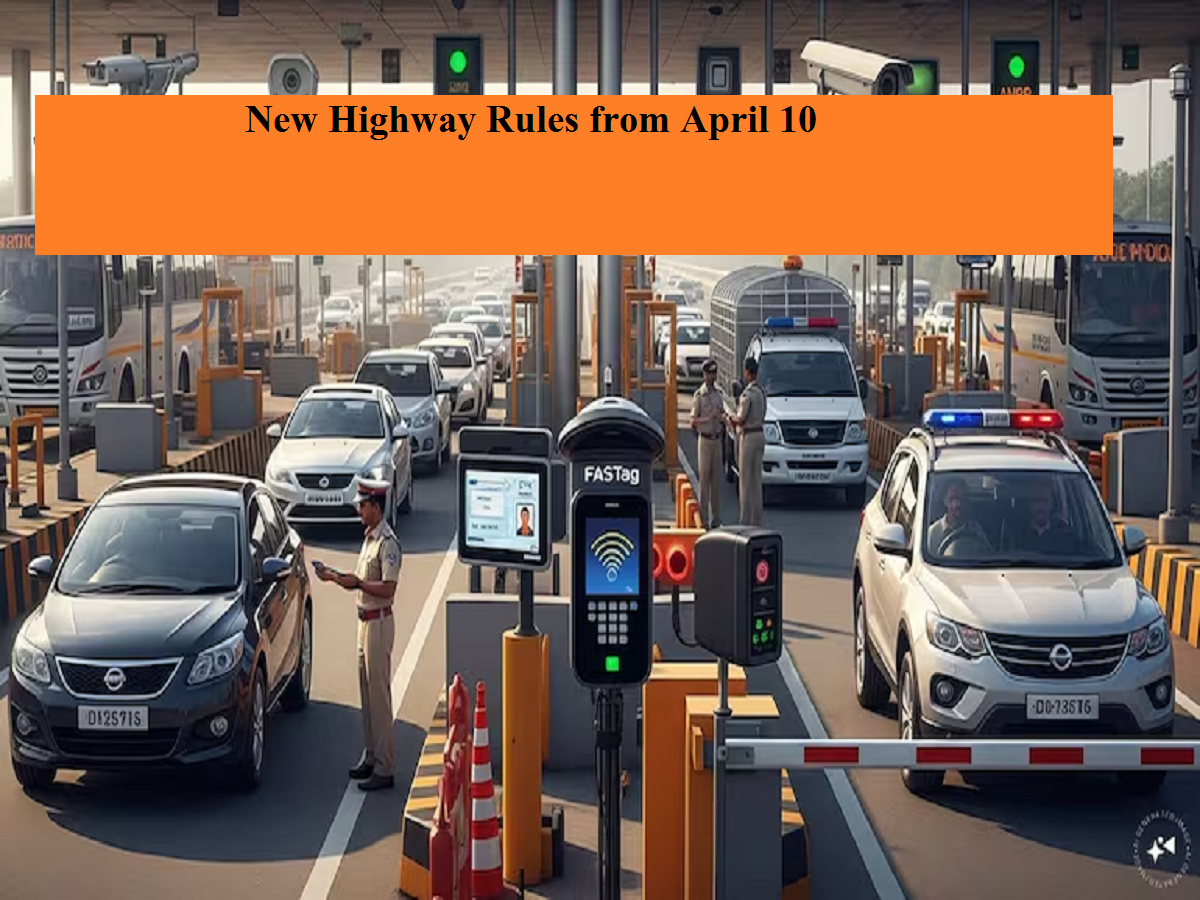
Traveling on national highways in India is set to become more regulated from April 10, as the Ministry of Road Transport and Highways prepares to roll out a series of stricter rules. These changes aim to enhance road safety, improve traffic flow, and increase transparency in toll collection.
From mandatory identity verification at toll plazas to a complete shift toward digital toll payments, the new framework will directly impact millions of daily commuters and long-distance travelers.
Here’s a detailed breakdown of what is changing and how it could affect your highway journey.
Mandatory ID Checks at Toll Plazas
One of the biggest changes is the introduction of compulsory identity verification at toll booths and highway checkpoints.
Drivers may now be required to show a valid government-issued ID, such as:
- Aadhaar card
- Driving licence
- Passport
Failure to present identification could lead to:
- Fines
- Denial of passage
According to authorities, this move is intended to increase accountability and curb illegal activities, especially on busy highway routes.
Cash Payments at Tolls to Be Discontinued
In a major push toward digital payments, cash transactions at toll plazas will be completely phased out.
From April 10:
- Toll payments must be made through digital modes such as:
- FASTag
- UPI
- Debit or credit cards
Vehicles without FASTag will still be allowed to pay digitally, but they may face:
- Higher charges
- Penalties
This step is expected to:
- Reduce congestion at toll plazas
- Speed up vehicle movement
- Prevent revenue leakage
The government has been steadily promoting FASTag adoption, and this move further strengthens the push toward a fully cashless tolling system.
Random Vehicle Checks on Highways
Highway patrol teams will now have the authority to conduct random inspections at any time.
During these checks, officials may verify:
- Vehicle registration documents
- Insurance validity
- Pollution Under Control (PUC) certificate
The objective is to ensure that only legally compliant and roadworthy vehicles are operating on highways, thereby reducing the risk of accidents.
Enhanced Surveillance with Advanced Technology
To tighten monitoring, authorities will deploy:
- CCTV cameras at toll plazas and major junctions
- Automated Number Plate Recognition (ANPR) systems
These technologies will:
- Track vehicle movement in real time
- Identify traffic violations
- Help in better traffic management and planning
The use of data-driven systems is expected to improve enforcement efficiency and create a safer travel environment.
What This Means for Travelers
While these rules aim to improve safety and efficiency, they also mean that travelers must be more prepared before hitting the road.
Before starting your journey, ensure:
- You carry a valid ID
- Your vehicle documents are up to date
- FASTag or digital payment options are active
Non-compliance could lead to delays, fines, or inconvenience during travel.
Final Takeaway
The upcoming changes mark a significant shift toward digitization and stricter enforcement on India’s highways. While the rules may initially feel restrictive, they are designed to create a smoother, safer, and more transparent travel experience.
As these regulations come into force, being aware and prepared will be key to avoiding disruptions and enjoying a hassle-free highway journey.