NEWS
New crisis on the Strait of Hormuz: Workers fleeing the ship, company offering 6 months' extra salary, shipping charges to increase
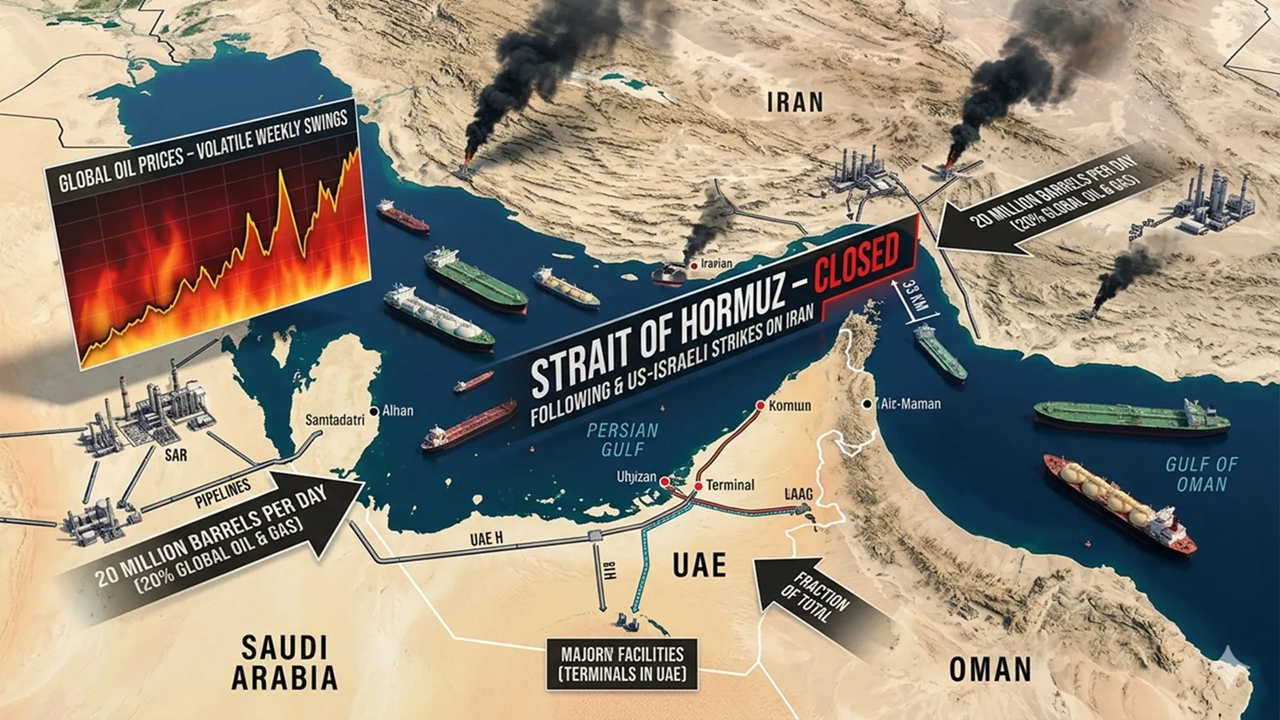
Hormuz Strait Crisis: The Strait of Hormuz remains highly sensitive due to tensions between the US and Iran. As a result, shipping companies and oil tankers are avoiding it.
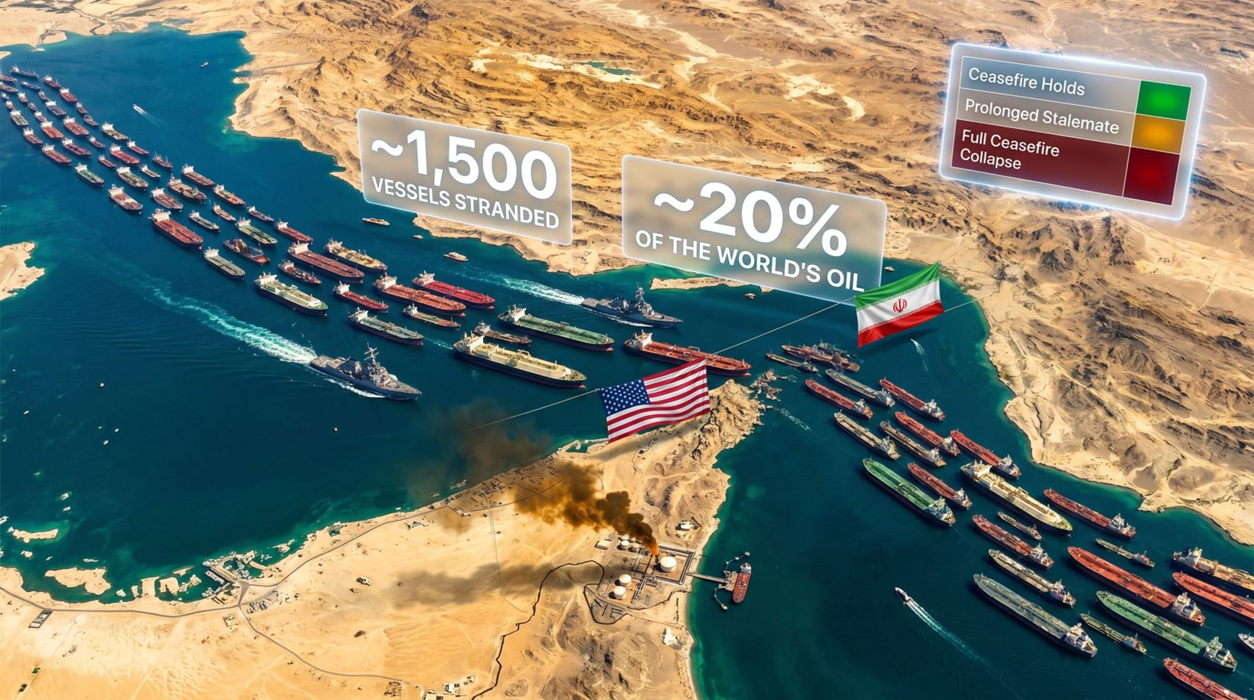
Sinokor Merchant Marine Increases Danger Allowance
Hormuz Strait Crisis Update: South Korea's largest shipping company, Sinokor Merchant Marine, has offered its crew members a bonus equivalent to six months' salary if they complete a round trip through the Strait of Hormuz.
Sinokor's offer is one of the largest "Danger Allowances" ever offered in the shipping industry, according to a Bloomberg report. According to Sinokor's proposal, if crew members complete a month-long round-trip, from loading oil in Saudi Arabia or Iraq to unloading in the Gulf of Oman, they will receive six months' extra salary.
Hormuz is currently in the risk zone
The entire region remains highly sensitive due to the military conflict between Iran and the US and the frequent missile attacks. Therefore, ships traveling from Saudi Arabia to the Gulf of Oman must navigate this sea route twice: once empty and then loaded. To address this challenge, crew members have been offered an additional six months' salary.
A sharp jump in shipping costs
With crew salaries being increased sixfold and war-risk premiums on ships also increasing, the transportation cost per liter of oil will also increase manifold. Now that other companies cannot offer as hefty bonuses as Sinocor, their crew members will refuse to travel on that route. This could lead to a severe global crude oil shortage. As a result, crude oil prices could reach $100 or even beyond.
Since India imports most of its crude oil from Iraq and Saudi Arabia, Sinokor's increase in the danger allowance to this extent demonstrates the depth of the energy crisis. This fear was a major reason for the decline in the Indian stock market this week.