LIFESTYLE
Mooli Paratha Tips: Why do radish parathas tear when rolling? Do this when kneading the dough.
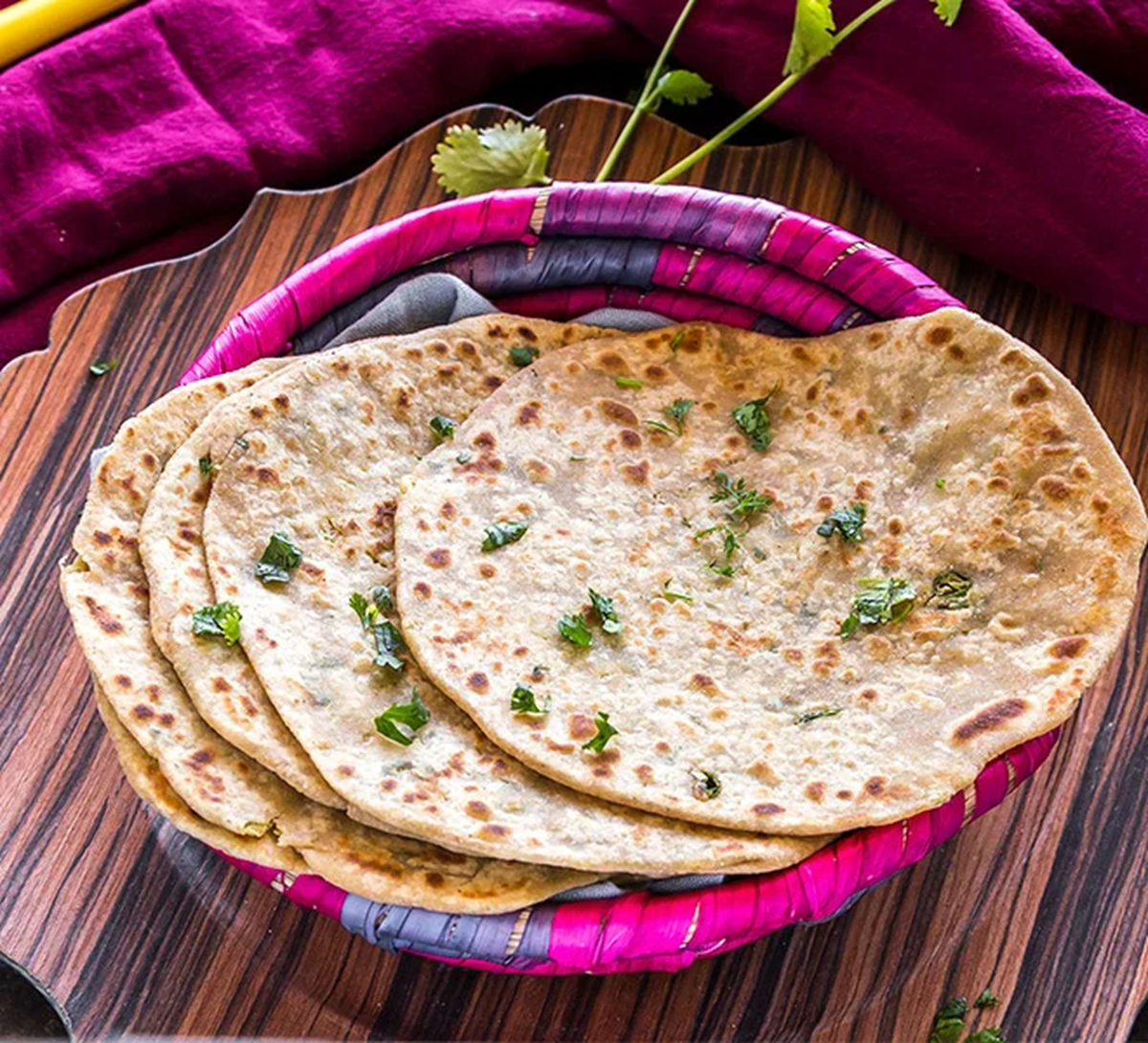
Soft Mooli Paratha: If the dough is too dry, it may crack while rolling, whereas if the dough is too wet, it will become sticky and difficult to handle.
How to prevent radish paratha from tearing while rolling
Tips To Prevent Mooli Paratha: The biggest problem when making radish parathas is when the dough tears as you roll it out, and the radish stuffing starts spilling out. Sometimes, despite everything being done correctly, the paratha fails to stick to the rolling pin. If this happens to you, it's not just because of too much stuffing. From dough preparation to the moisture in the radish and the rolling method, many small mistakes can cause the paratha to tear.
What should the dough for paratha be?
A good radish paratha starts with the right dough. Too dry dough can cause cracks when rolled, while too wet dough will become sticky and difficult to handle. The dough for parathas should be soft, smooth, and slightly elastic.
When kneading the dough, add water gradually rather than all at once. This will help you determine the correct dough texture. A little oil or ghee can also be added to the dough. Well-kneaded dough feels soft when pressed and stretches easily.
Do not roll the dough immediately after kneading it.
After the dough is ready, it's important to let it rest for at least 20 minutes. A damp cloth can be used for this. This allows the dough to relax and expand more easily during rolling. If the kneaded dough is immediately rolled into a ball, it won't be able to handle the pressure of the rolling pin properly and may tear.
Do not let water remain in the radish stuffing.
One of the biggest reasons for radish parathas to break is excess moisture in the stuffing. Grated radishes release a lot of water. If radishes are stuffed into the dough without removing this water, the moisture and pressure can weaken the dough during rolling. Therefore, squeeze the grated radish thoroughly. Adding salt may cause the radish to release more water, so keep this in mind when preparing the stuffing. If onions are being added, reduce the excess water present in the dough as well.
Don't make the mistake of overstuffing.
Overstuffing a paratha can also cause the dough to tear. When the dough is filled with more radish than necessary, it puts more pressure on the dough while rolling. This can then cause the stuffing to leak out through any weak areas. Therefore, limit the amount of stuffing to what can be comfortably contained within the dough. After adding the filling, bring up the edges and seal tightly. A weak seal can also cause the paratha to open while rolling.
Remove the excess dough after sealing.
When sealing the filling, a little excess flour tends to accumulate at the top. Many people press it down and leave it there. This can make the center of the paratha thick and uneven, making it difficult to roll. It's best to carefully remove any excess flour. Then, lightly press the sealed area with your fingers to even it out. This will make the dough surface smoother and ensure even rolling pressure.
Give some rest to the stuffed dough as well
After filling the dough balls with the filling, there's no need to roll them out immediately. You can cover them and let them rest for about 10 minutes. Covering them with a damp cloth will prevent the dough from drying out. This short rest helps the dough regain its elasticity. Rolling out the dough will then stretch more easily, reducing the risk of shrinkage or tearing.
Do not apply too much pressure while rolling
Now, the most important thing is the method of rolling. First, flatten the stuffed dough lightly with your fingers. Then, dust a little dry flour on the rolling surface and dough. Using too much dry flour can dry out the paratha, so a light dusting is sufficient. Instead of continuously moving the rolling pin in one direction, gently roll it a few times. Then, rotate the paratha slightly and roll it in the other direction. This prevents the stuffing from condensing and prevents lopsided pressure on the dough.
What to do if cracks appear while rolling?
If a small crack appears while rolling, don't panic and continue rolling. Stop immediately and sprinkle a little dry flour over the crack. Press it lightly with your finger to close the crack. Then, slowly resume rolling.