LIFESTYLE
Monsoon Inverter Care: Easy Tips to Protect Your Inverter and Battery During the Rainy Season
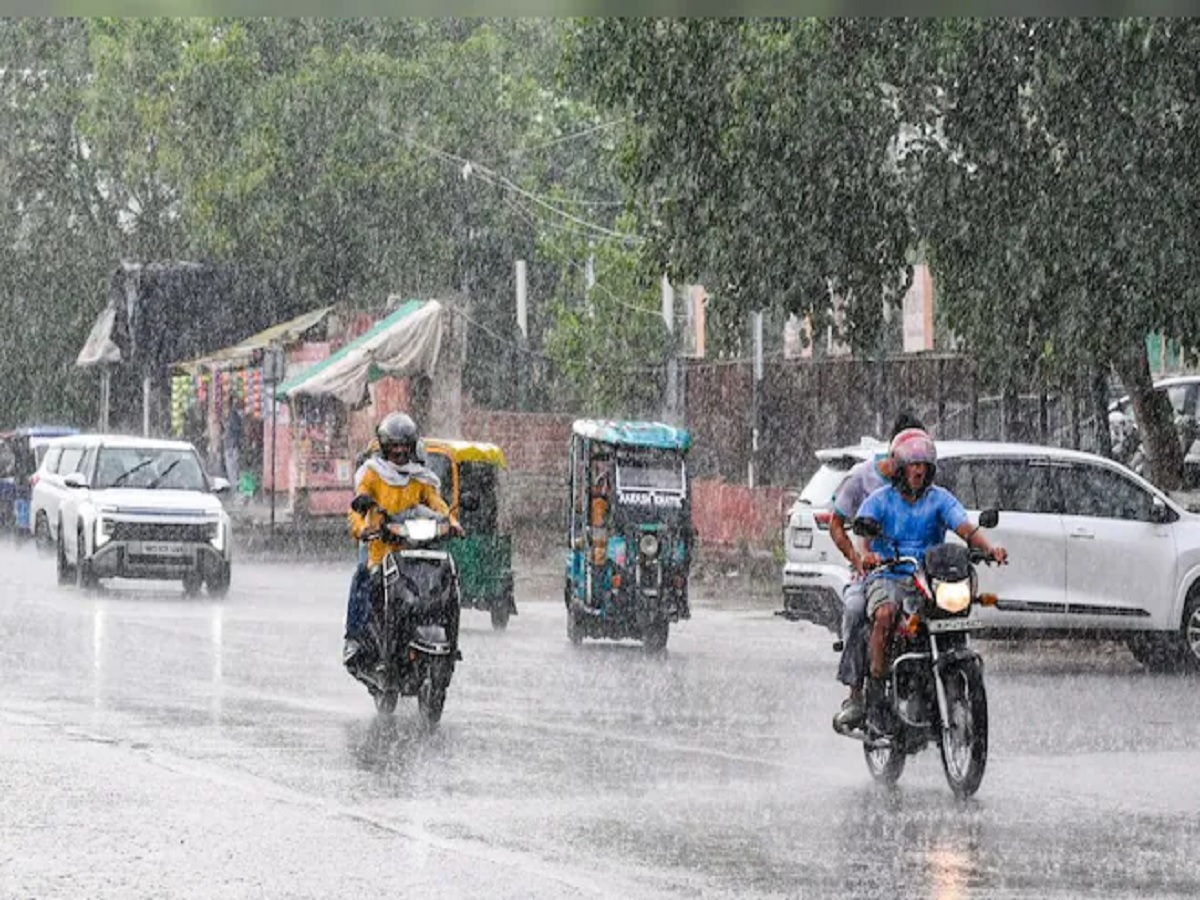
Inverter Maintenance Guide: Increased humidity and frequent power outages during the monsoon can affect your inverter's performance. Following a few simple maintenance practices can help prevent damage, improve battery life, and ensure reliable backup when you need it most.
The arrival of the monsoon brings welcome relief from scorching summer temperatures, but it also creates new challenges for household electrical appliances. One of the most affected devices during the rainy season is the home inverter. Frequent power cuts, high humidity, moisture, and fluctuating electricity supply can reduce battery efficiency and even lead to expensive repairs if the system is not maintained properly.
Experts recommend taking preventive measures before and during the rainy season to keep your inverter functioning efficiently. Moisture can cause corrosion, electrical faults, and reduced battery life, while poor maintenance may result in shorter backup times when power outages become more frequent.
Here are some practical tips to help keep your inverter and battery safe throughout the monsoon.
Place the Inverter in a Dry and Well-Ventilated Area
The location of your inverter plays an important role in its performance and lifespan.
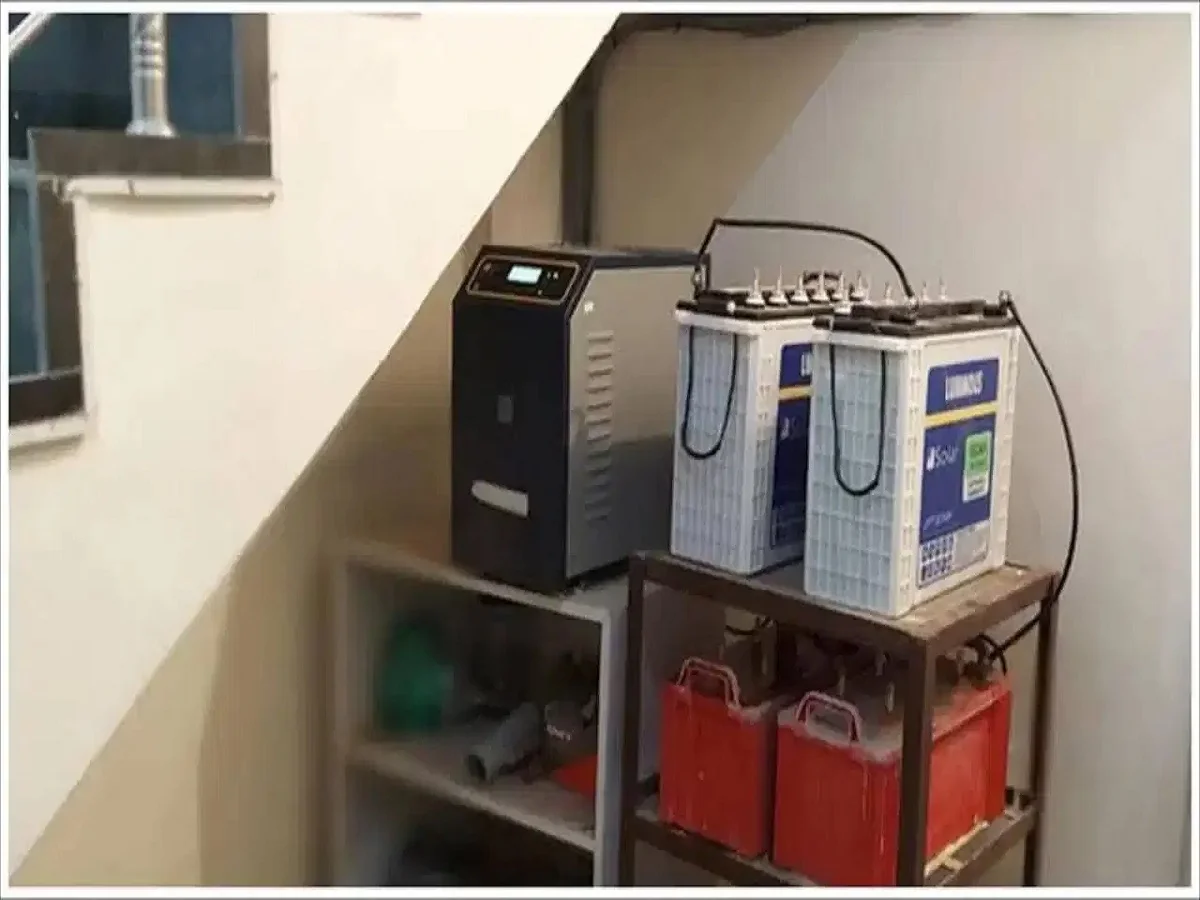
Install the inverter and battery in a clean, dry space that is protected from rainwater, dampness, and excessive humidity. Avoid placing the battery directly on the floor. Instead, keep it on a raised platform or stand to reduce exposure to moisture.
It is also important not to position the inverter tightly against a wall. Leave sufficient space around the unit so that air can circulate freely. Proper ventilation helps prevent overheating and improves overall performance.
Check the Battery Water Level Regularly
Routine battery maintenance is essential, especially during the rainy season.
Inspect the battery's electrolyte level every 45 to 60 days. If the water level is below the recommended mark, refill it using distilled water only.
Avoid using tap water or RO water, as the minerals present in these water sources may damage the battery's internal components and reduce its efficiency.
At the same time, do not overfill the battery. Excess water can lead to acid overflow, which may affect battery performance and shorten its lifespan.
Clean Battery Terminals to Prevent Corrosion
Humidity during the monsoon often causes corrosion on battery terminals. White, green, or bluish deposits around the terminals are common signs of moisture-related damage.
If corrosion appears, have the terminals cleaned by a qualified technician to ensure proper electrical contact.
In addition, wipe the inverter's exterior regularly using a soft, dry cloth to remove accumulated dust and moisture. Avoid using wet or damp cloths, as they can introduce additional moisture and increase the risk of electrical hazards.
Keeping the unit clean also improves airflow and helps maintain efficient cooling.
Avoid Overloading the Inverter
Power cuts become more frequent during the rainy season, prompting many households to connect multiple appliances to the inverter at the same time. However, exceeding the inverter's capacity can significantly reduce battery life.
Avoid operating high-power electrical appliances such as:
- Air conditioners
- Water heaters (geysers)
- Electric room heaters
- Microwave ovens
Running heavy-load appliances on an inverter can quickly drain the battery, reduce backup duration, and place unnecessary stress on the system.
Instead, use the inverter primarily for essential devices such as lights, fans, Wi-Fi routers, televisions, or other low-power appliances.
Monitor Charging Performance
Another important aspect of inverter maintenance is ensuring that the battery charges properly after every power outage.
If you notice that the backup time has reduced considerably or the battery takes unusually long to charge, it may require professional inspection.
Unusual noises, overheating, or warning indicators should also be checked promptly to prevent further damage.
Schedule Periodic Maintenance
Regular servicing can help identify potential issues before they become major problems.
A qualified technician can inspect battery health, wiring connections, charging circuits, and overall inverter performance. Preventive maintenance often costs much less than replacing damaged components caused by neglect.
Why Monsoon Maintenance Matters
Proper inverter care during the rainy season offers several long-term benefits. It helps protect the equipment from moisture-related damage, minimizes the risk of electrical faults, improves battery efficiency, and ensures longer backup during unexpected power cuts.
Routine maintenance can also extend the overall lifespan of both the inverter and its battery, reducing repair costs and improving reliability throughout the year.
With just a few preventive steps—such as keeping the unit dry, checking battery water levels, cleaning terminals, and avoiding overload—you can keep your inverter operating safely and efficiently even during the most challenging monsoon conditions.