LIFESTYLE
Mango and Body Heat: Does eating too many mangoes really increase body heat? Learn the truth from a doctor.
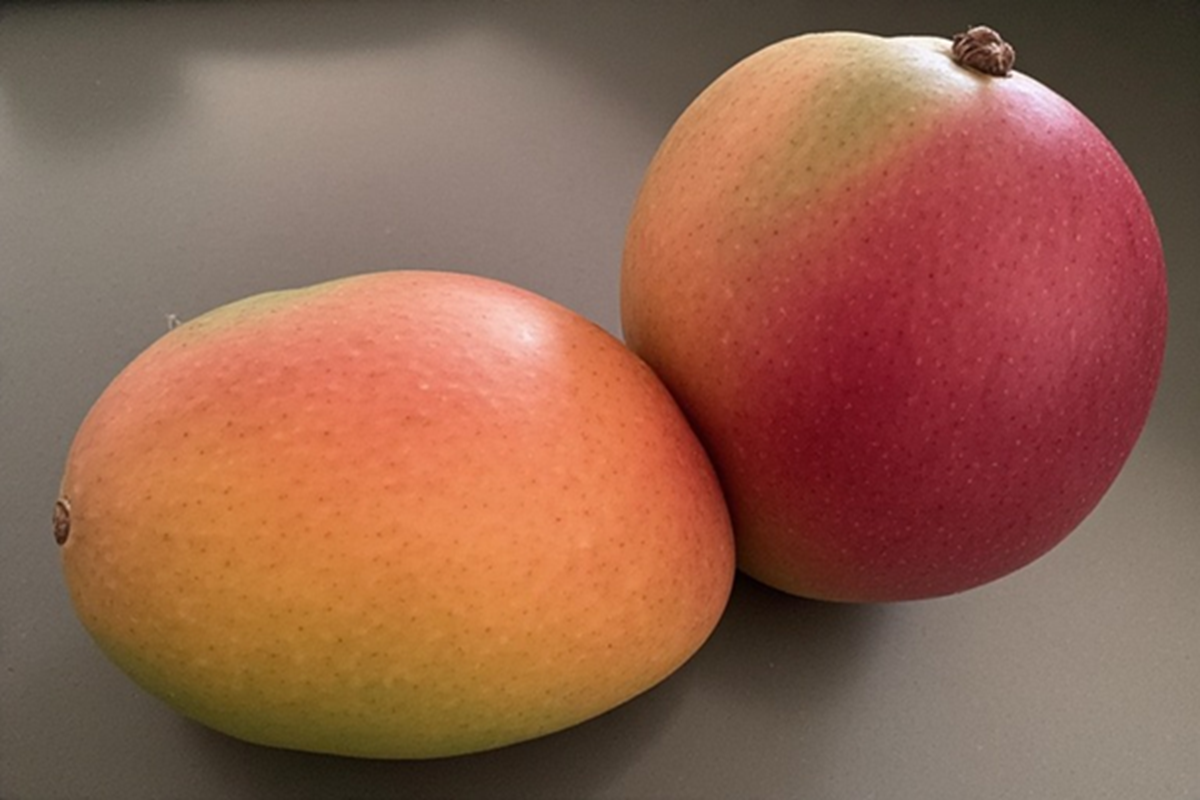
Mango and Blood Sugar Levels: Mango is traditionally considered a "hot fruit," but science doesn't see it that way. According to them, any food is judged based on its nutritional value.

Does mango really warm the body?
What Happens If You Eat Too Many Mangoes: With the arrival of summer, mango season begins, and then it becomes more than just a fruit; it becomes a habit. From breakfast to dinner, you crave it all the time. But every year, we hear the refrain: "Don't eat too many mangoes; it will increase your body heat." So, does this really happen, or is it just an old belief that persists? Let us tell you what the experts say.
What do experts say?
Nutrition head Dr. Karuna Chaturvedi told TOI that mangoes are traditionally considered "hot fruits," but science doesn't see it that way. According to her, food is judged based on its nutritional value, not by its hot or cold nature. Mangoes contain natural sugars and compounds like mangiferin, which can cause a mild warming sensation during digestion. However, they don't raise body temperature like a fever. The heat experienced is mild and temporary.
Who should you pay attention to?
The real difference lies in the quantity. Eating one mango and eating three or four mangoes at once has different effects. According to Dr. Chaturvedi, eating too many mangoes can cause stomach problems. The fiber and fructose present in mangoes can cause bloating, diarrhea, or cramps if consumed in large quantities.
Disadvantages of eating too much mango
Eating too many mangoes can have some common side effects. These include impaired digestion, as the high fiber and natural sugars can affect the intestines. Blood sugar can spike, which is a concern for people with diabetes. Some people also experience burning or itching around the lips. This is due to the sticky substance near the mango peel, which contains substances that can react with the skin. Additionally, eating too much mango can lead to weight gain.
Why does it feel hot?
The reason why mango feels hot in the summer season is not just the fruit itself. At this time, the body is already going through dehydration and slow digestion. In such a situation, if too much sweet fruit is eaten, the body can feel heavy and hot. This means that the feeling of heat is a combined effect of many things. This does not mean that mango should be stopped eating. It just needs to be eaten wisely. Limit yourself to one or two mangoes daily, avoid eating too many at once. Take it with curd or watery things, so that balance is maintained. Avoid eating on an empty stomach if digestion is sensitive. Soaking it in water for some time before eating is also considered beneficial.