Business
LPG Saving Tips: 5 Common Cooking Mistakes That Waste Gas and How to Make Your Cylinder Last Longer
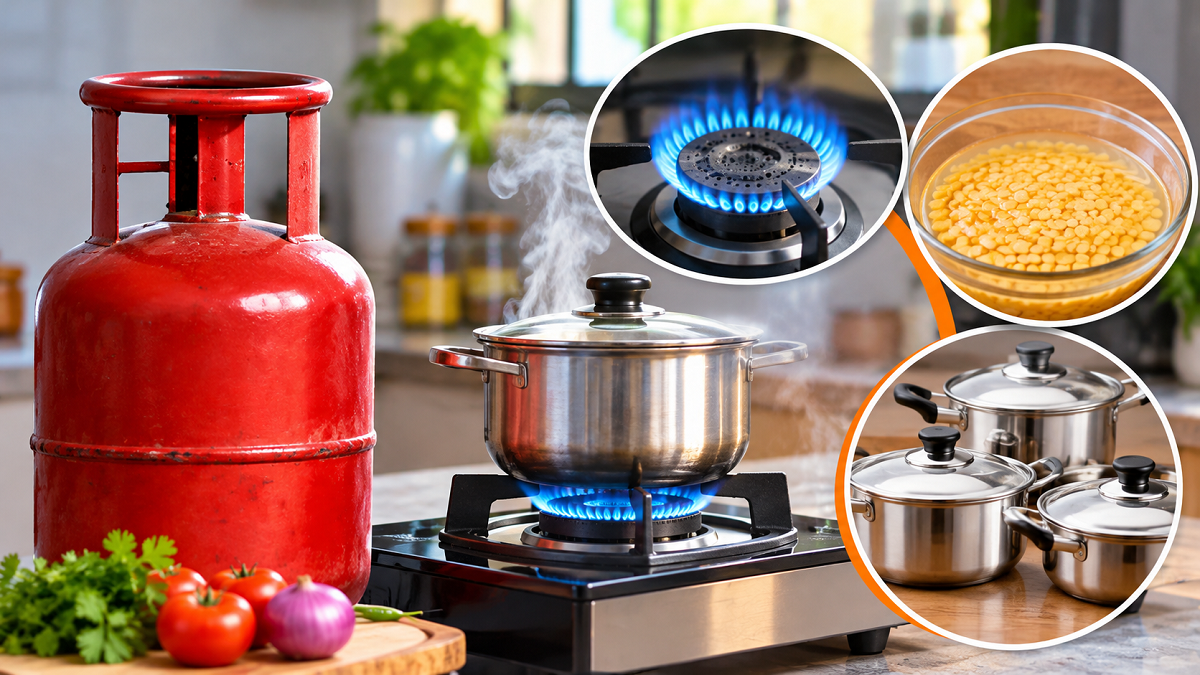
LPG Cylinder Saving Tips 2026: Cooking gas is an essential part of everyday life for millions of Indian households. From preparing morning tea to cooking lunch and dinner, families depend heavily on LPG cylinders for their daily kitchen requirements. However, many households face a common problem: their 14.2 kg domestic LPG cylinder runs out sooner than expected, leading to additional expenses.
While gas consumption naturally depends on family size and cooking frequency, inefficient kitchen practices can also increase LPG usage. Small mistakes, such as using excessive heat, cooking without lids, neglecting burner maintenance, and selecting unsuitable utensils, may result in unnecessary gas consumption.
The good news is that a few simple changes in daily cooking habits can help improve fuel efficiency and potentially extend the life of an LPG cylinder.
Here are five practical ways to reduce cooking gas wastage without compromising food quality.
1. Keep Your Gas Stove Burners Clean for Better Efficiency
One of the most overlooked reasons for inefficient LPG consumption is poor burner maintenance.
Over time, food particles, grease, oil, and other deposits can accumulate around gas stove burners. These deposits may obstruct burner openings and interfere with proper combustion.
When burners do not function efficiently, cooking may take longer, potentially increasing gas consumption.
A properly functioning LPG burner generally produces a steady blue flame. Persistent yellow or orange flames, unusual sounds, or uneven burning may indicate that the stove requires inspection.
How to maintain your gas stove:
- Clean removable burner components regularly according to the manufacturer's instructions.
- Remove food spills and grease before they accumulate.
- Ensure burner components are completely dry before reassembling them.
- Avoid inserting sharp objects into burner openings.
- Arrange professional servicing if the flame remains irregular.
Regular maintenance can help improve cooking performance while reducing the risk of stove-related problems.
2. Cook With Covered Utensils to Reduce Heat Loss
Cooking food in uncovered pots is another common habit that may increase LPG consumption.
When food is heated without a lid, steam and heat escape continuously. As a result, the stove may need to remain switched on for longer periods to maintain the required cooking temperature.
Using a properly fitting lid helps retain heat and moisture inside the cooking vessel.
This technique is particularly useful when preparing rice, vegetables, lentils, soups, and other dishes that require boiling or simmering.
For example, vegetables cooked in a covered pan may soften more quickly because the trapped steam contributes to the cooking process.
However, lids should be used appropriately. Certain dishes require stirring, evaporation, or uncovered cooking to achieve the desired texture.
Useful tip: Use a pressure cooker for suitable foods such as lentils, beans, potatoes, and rice. Pressure cooking can significantly reduce preparation time compared with conventional boiling, depending on the recipe.
3. Soak Pulses and Beans Before Cooking
Many Indian dishes include ingredients such as chickpeas, kidney beans, whole lentils, and other dried pulses.
These ingredients often require considerable cooking time because they are relatively hard when dry.
Soaking them in water before cooking allows them to absorb moisture and soften, potentially reducing the time required to cook them thoroughly.
For example, dried chickpeas and kidney beans are commonly soaked before being prepared in a pressure cooker.
The appropriate soaking duration varies depending on the ingredient, its age, and the recipe.
Apart from potentially saving LPG, soaking can help improve cooking consistency.
Important: Kidney beans must be cooked thoroughly, as raw or undercooked kidney beans contain naturally occurring toxins. Soaking alone does not make them safe to eat.
By planning meals and preparing ingredients in advance, households may reduce unnecessary cooking time and fuel consumption.
4. Avoid Using High Flames Throughout the Cooking Process
Many people believe that increasing the gas flame will always make food cook faster.
However, this is not necessarily true.
When a flame extends beyond the bottom of a cooking vessel, some of the heat escapes around its sides instead of being transferred efficiently to the food.
This can waste energy without delivering a proportional improvement in cooking speed.
A more efficient approach is to use sufficient heat to bring food to a boil and then reduce the flame to maintain the required cooking temperature.
For example, once water or dal begins boiling, a lower flame may be enough to keep it simmering.
Maintaining an unnecessarily high flame can also cause food to burn, stick to utensils, or lose moisture too quickly.
Smart cooking practice: Adjust the flame according to the size of the utensil and the cooking requirement. Avoid allowing flames to spread beyond the vessel's base.
Using the correct heat level can improve fuel efficiency and help maintain better control over cooking.
5. Choose the Right Cooking Utensils and Keep Them Dry
The size and condition of cooking utensils also influence how efficiently heat is transferred from the stove.
Using a very large vessel for a small quantity of food may waste energy because more material must be heated than necessary.
Similarly, placing a small pan over an excessively large burner can allow heat to escape around its edges.
Choosing utensils that match the quantity of food and the burner size can help improve cooking efficiency.
Flat-bottomed cookware generally provides better contact and stability on suitable stove supports.
It is also important to ensure that the outside of the utensil is clean and dry before placing it on the burner.
Water droplets on the exterior consume additional heat as they evaporate, while accumulated grease and dirt can affect heat transfer.
Selecting appropriate cookware and maintaining it properly can contribute to more economical LPG usage.
Additional LPG Safety Tips Every Household Should Follow
Saving cooking gas is important, but kitchen safety should always remain the priority.
Households should regularly inspect their LPG stove, regulator, and hose according to the supplier's recommendations.
If a gas leak is suspected, immediately turn off the gas supply if it is safe to do so. Avoid operating electrical switches, using flames, or attempting to repair the equipment yourself.
Open doors and windows for ventilation when safe, leave the affected area, and contact the LPG distributor or emergency service from a safe location.
In India, the LPG emergency helpline is 1906.
Always use approved equipment and seek assistance from authorized technicians for repairs or replacement of faulty components.
Can These Cooking Habits Make a 14.2 Kg LPG Cylinder Last an Entire Month?
There is no fixed number of days that a domestic LPG cylinder will last.
Its lifespan depends on several factors, including the number of family members, cooking frequency, food preparation methods, stove efficiency, and the amount of gas used daily.
For example, a household preparing several meals every day may consume more LPG than a smaller family with limited cooking requirements.
Nevertheless, improving cooking efficiency can reduce avoidable wastage.
Regular burner maintenance, using lids, soaking suitable ingredients, adjusting the flame, and selecting appropriate utensils are practical steps that may help households use LPG more economically.
Conclusion
Reducing LPG consumption does not necessarily require expensive kitchen equipment or major lifestyle changes.
Simple improvements in everyday cooking habits can help families make better use of the gas available in their cylinders.
Keeping burners clean, cooking with covered utensils, soaking pulses, avoiding unnecessarily high flames, and choosing correctly sized cookware can all contribute to improved efficiency.
Although these measures cannot guarantee that every LPG cylinder will last a full month, they can help reduce unnecessary fuel consumption and potentially lower household cooking expenses.