Business
LPG Price Hike November 2026: Commercial Gas Cylinders Get Costlier, Check New Rates in Major Cities
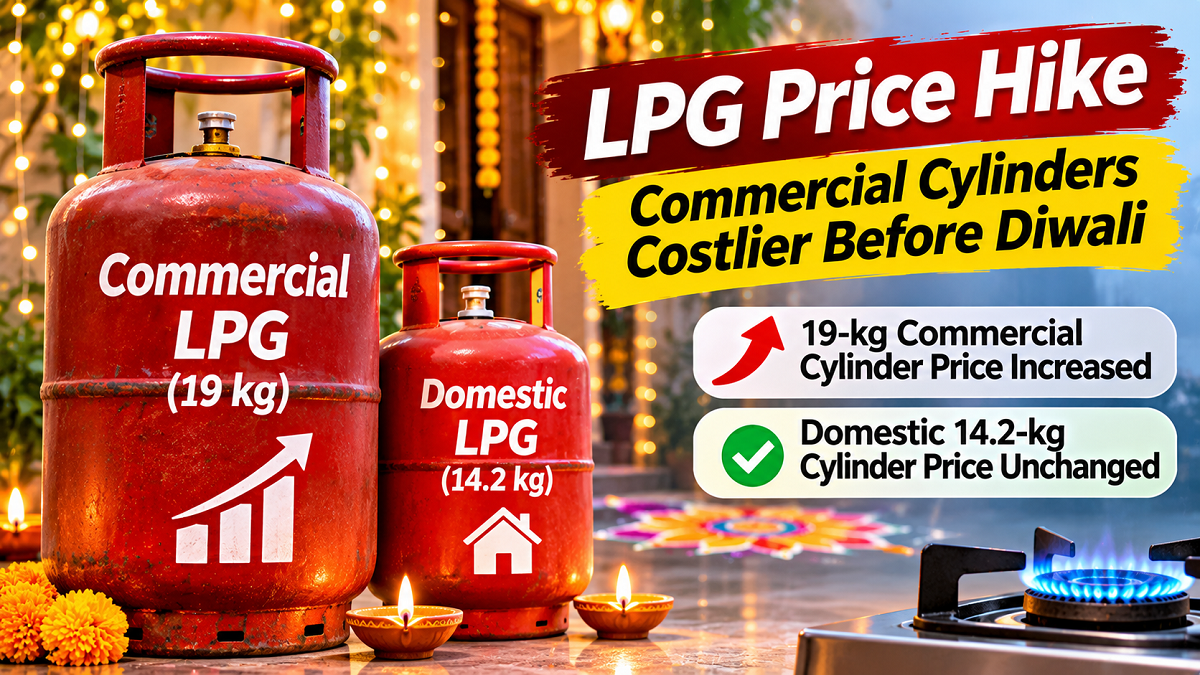
LPG Cylinder Price Update, November 2, 2026: Just ahead of the Diwali festive season, businesses across India are facing higher cooking gas expenses following a revision in commercial LPG cylinder prices. Oil marketing companies have increased the prices of 19-kg commercial LPG cylinders effective November 1, 2026, adding to the operating costs of restaurants, hotels, roadside eateries and catering services.
According to the latest price revision reported by media outlets, commercial LPG cylinders have become ₹10 more expensive in several major cities, including Delhi, Mumbai, Kolkata and Bengaluru. Chennai has witnessed a slightly higher increase of ₹11.50 per cylinder.
However, there is some relief for domestic consumers. The prices of 14.2-kg household LPG cylinders have remained unchanged in the latest revision.
The price adjustment comes during a period when demand for restaurant services, sweets, festive meals and catering arrangements typically increases.
Commercial LPG Prices Revised From November 1, 2026
Oil marketing companies periodically review LPG cylinder prices based on market conditions and other pricing considerations.
The November revision has increased the cost of commercial cooking gas in several important markets.
Businesses using 19-kg LPG cylinders will now have to pay the revised rates when purchasing fresh cylinders.
The increase may appear relatively small for a single cylinder, but the additional expense can become significant for businesses consuming several cylinders every day.
Restaurants, commercial kitchens and food preparation units are among the establishments most directly affected by such changes.
LPG Cylinder Price Today: Latest Commercial Rates in Major Cities
According to the November 2 report, the revised prices of 19-kg commercial LPG cylinders are as follows:
| City | Commercial LPG Price (19 kg) |
|---|---|
| Delhi | ₹2,820.00 |
| Mumbai | ₹2,774.50 |
| Kolkata | ₹2,964.00 |
| Chennai | ₹2,994.50 |
| Bengaluru | ₹2,908.00 |
The report states that commercial cylinder prices increased by ₹10 in Delhi, Mumbai, Kolkata and Bengaluru, while Chennai recorded an increase of ₹11.50.
These figures are based on the cited report. Consumers should confirm the applicable rate with their LPG distributor, as prices can differ between cities and may be revised.
Why Have Commercial LPG Cylinders Become More Expensive?
Commercial LPG prices are influenced by several factors, including international energy market conditions, supply costs, currency movements and domestic pricing decisions.
Oil marketing companies periodically adjust commercial LPG rates to reflect changing market conditions.
Unlike subsidised or regulated household cooking gas arrangements, commercial LPG pricing is generally more responsive to market-related factors.
As a result, hotels, restaurants and other commercial establishments may experience frequent changes in their cooking fuel expenses.
The November price revision comes at a particularly important time for the food and hospitality industry because festive demand can increase kitchen operations and fuel consumption.
Restaurants and Hotels May Face Higher Operating Costs
The increase in commercial LPG prices is likely to affect businesses that depend heavily on cooking gas for their daily operations.
Hotels, restaurants, dhabas, tea stalls, sweet shops, bakeries and catering companies commonly use commercial LPG cylinders for food preparation.
For a small establishment using only a few cylinders each month, the additional expense may be manageable.
However, larger commercial kitchens consuming multiple cylinders daily could face a noticeable increase in their monthly fuel bills.
For example, if a restaurant purchases 100 commercial LPG cylinders in a month and the price increases by ₹10 per cylinder, its monthly fuel expenditure would rise by ₹1,000, assuming consumption remains unchanged.
Similarly, a catering business using 200 cylinders would face an additional expense of ₹2,000 at the same price increase.
These examples illustrate how even a modest price revision can affect businesses with high fuel consumption.
Will Restaurant Food and Catering Charges Increase?
Higher commercial LPG prices could put pressure on food businesses, although an immediate increase in menu prices is not guaranteed.
Restaurants and catering companies consider several expenses when deciding their selling prices, including raw materials, employee salaries, rent, electricity, transportation and cooking fuel.
When operating costs increase, some establishments may absorb the additional expense to remain competitive.
Others may eventually revise food prices or service charges if higher costs persist.
During the festive season, catering companies preparing large quantities of food may be particularly sensitive to changes in commercial cooking gas prices.
However, whether consumers ultimately pay more will depend on individual business decisions and overall market conditions.
Domestic LPG Cylinder Prices Remain Unchanged
While commercial LPG users are facing higher costs, households have received some relief in the November price revision.
According to the report, the prices of 14.2-kg domestic LPG cylinders have not been increased from November 1, 2026.
This means families purchasing household cooking gas can continue paying the previously applicable rates in their respective cities.
Domestic LPG cylinders are widely used for everyday cooking in Indian households.
Any increase in their prices can directly affect monthly household budgets, particularly for families managing limited incomes.
The absence of a domestic price hike is therefore welcome news for consumers preparing for festive expenses.
However, households should remember that domestic LPG prices vary by location and applicable pricing arrangements.
What Is the Difference Between Domestic and Commercial LPG Cylinders?
Domestic and commercial LPG cylinders are intended for different categories of users.
A standard domestic LPG cylinder generally contains 14.2 kilograms of cooking gas and is supplied for household use.
Commercial LPG cylinders commonly contain 19 kilograms of gas and are used by restaurants, hotels, food businesses and other commercial establishments.
Their prices are determined under different pricing arrangements, and commercial cylinders are generally more expensive.
Consumers and businesses should use the appropriate cylinder category for its intended purpose and follow applicable LPG supply regulations.
How to Check the Latest LPG Cylinder Price in Your City
Consumers can verify the latest LPG cylinder rates through their authorised gas distributors or the official websites of oil marketing companies.
Major LPG suppliers in India include Indian Oil, Bharat Petroleum and Hindustan Petroleum.
Their respective LPG services are available through Indane, Bharatgas and HP Gas.
Customers should check the applicable city and cylinder category before placing an order.
It is also advisable to confirm the final payable amount, particularly when prices have recently been revised.
LPG Price Update: What Consumers Should Remember
The November 2026 commercial LPG price increase has added another expense for businesses preparing for the festive season.
Commercial cylinder users in several major cities are paying higher rates from November 1, while domestic consumers have been spared an immediate increase in the price of 14.2-kg cooking gas cylinders.
Although the commercial price hike is relatively modest per cylinder, its cumulative impact may be greater for establishments with substantial daily fuel requirements.
For households, the main takeaway is that domestic LPG prices remain unchanged, while hotels, restaurants and catering businesses must account for the revised commercial cylinder rates.
Consumers should continue monitoring official LPG price announcements for any further changes during November.
Source: Based on the LPG price report published by Journal India on November 2, 2026. Price figures are reproduced from the supplied report and should be independently confirmed with official LPG distributors before publication.