NEWS
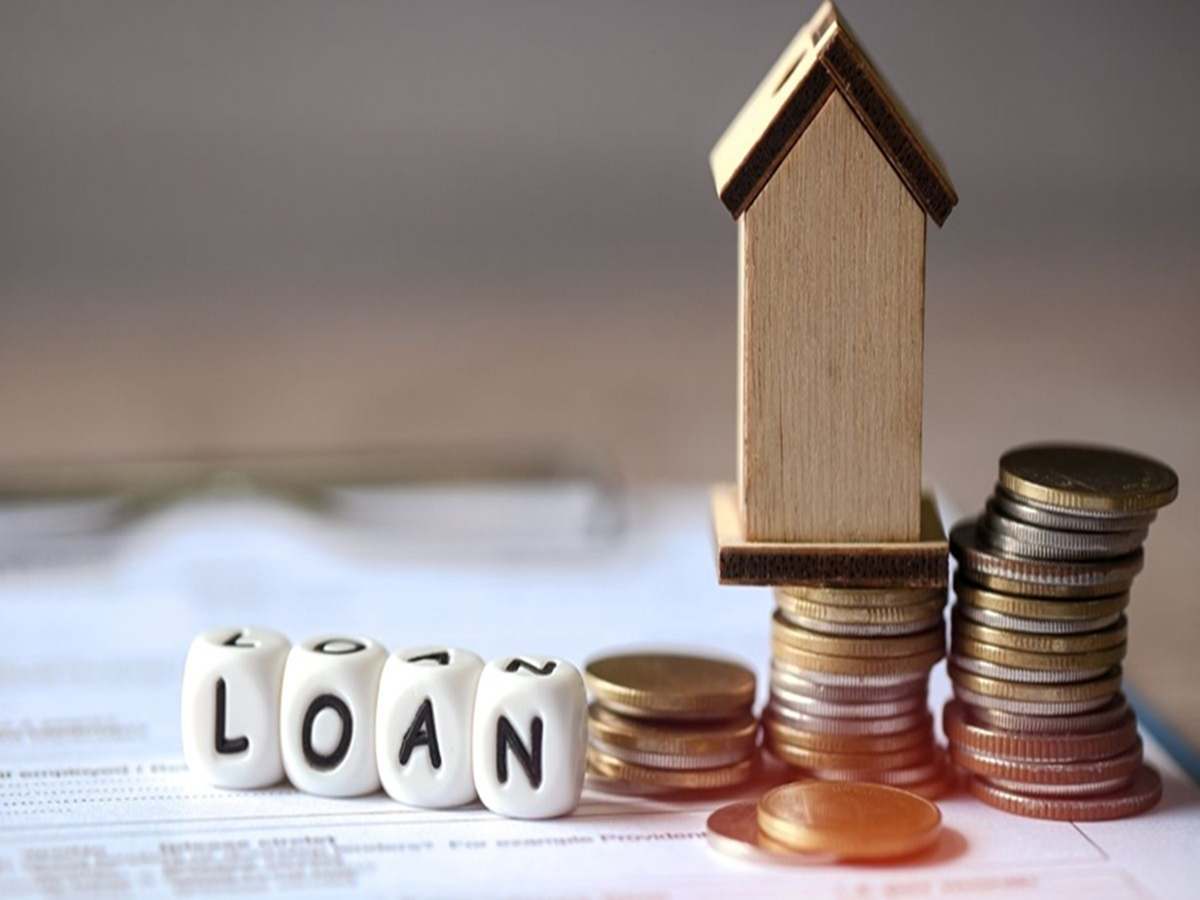
Loans are being taken in droves to fulfill their hobbies, with Gen Z living in 'borrowed wealth'.

Buy Now-Pay Later: Younger people are increasingly taking out loans these days. They readily opt for the buy now, pay later option, even for small purchases. Let's understand the reasons behind this in the report below.
The new generation is addicted to this 'dirty habit'
Buy Now-Pay Later: Today, you don't always have to wait for your bank balance to buy an expensive phone, branded clothing, gadgets, or a trip. Buy Now Pay Later, credit cards, and small personal loans have made shopping easier for young people. While loans were once associated with dire needs, credit is now increasingly being used for lifestyle and everyday expenses. Gen Z, in particular, is becoming part of the credit system at a younger age.
Has the age of borrowing decreased?
Citing an analysis of the credit behaviour of over 10 million Paisa Bazaar customers, the report shows that the average age of first-time borrowing has decreased across different generations. Gen Z is now using credit cards, buy now, pay later, and personal loans. A major reason for this is the ease of access to credit. EMI and buy now, pay later are available on shopping or payment apps. This means that often the question is not whether you have the money; you just need to check the EMI amount.
Why are young people taking so much debt?
Young people's debts are no longer limited to housing, education, or medical needs. Expenses like travel, gadgets, fashion, food, and entertainment are also being paid using credit cards. Buy Now Pay Later allows customers to pay for goods or services later. We make quick purchases with a small EMI, but sometimes the combined instalments of multiple purchases add up to a significant financial burden. If someone's salary is ₹40,000 and they use credit for a phone, clothes, or a trip, each expense may seem small. But at the end of the month, multiple EMIs have to be paid together.
What should you do?
While using a credit card or buy-now-pay-later isn't necessarily wrong, the credit limit isn't your income. Just because your bank has set a limit of ₹1 lakh doesn't mean you can spend ₹1 lakh more. Furthermore, if you don't pay on time, interest and late payment charges may apply. Therefore, instead of making a purchase based solely on the EMI, be sure to consider the total repayment amount and all charges.