LIFESTYLE
Kneaded Dough Storage: Kneaded dough won't dry out without a refrigerator; take note of this old village hack.
Dough Preservation Tips: In the past, not every household in villages had a refrigerator. In those days, dough was prepared only as needed and stored in a cool, clean place.
How to store kneaded dough without a refrigerator?
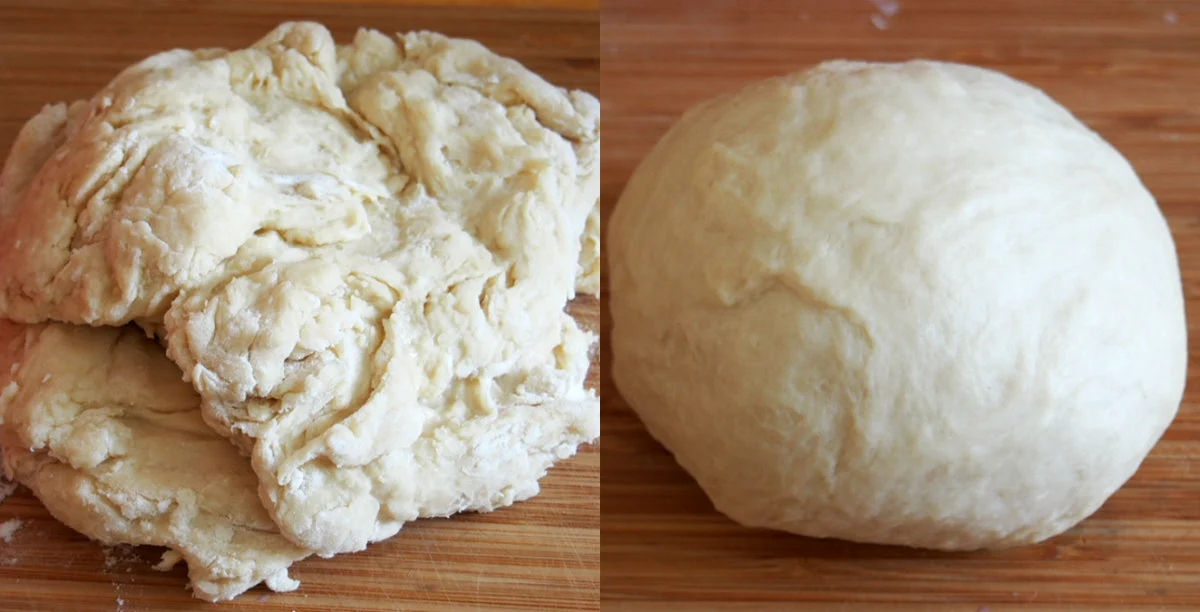
×Damp Cloth Trick for Kneaded Wheat Dough: Flour is an important part of Indian kitchens. Eating hot rotis with dal, sabji or any other dish is a favourite in almost every household. To make soft and round rotis, wheat flour is first kneaded well with the help of water. Many people also add a little oil to it, which keeps the dough soft and makes the rotis soft. Usually, the kneaded dough is kept in the refrigerator, but it is not necessary that a refrigerator is always available in everyone's house. In such a situation, in the olden times, people used some home remedies to keep the flour safe for some time.
In the past, not every household in villages had a refrigerator. In those days, dough was prepared only as needed and stored in a cool, clean place. If you need to store dough for a few hours and don't want to use the refrigerator, there are a few things to keep in mind.
Cover the kneaded dough
It's not advisable to leave dough uncovered after kneading. Exposing the dough can cause it to dry out quickly and attract dust. Therefore, place the dough in a clean container and cover it with a clean, damp cloth. The cloth should not be so wet that the water accumulates in the dough. This is simply to prevent the dough from drying out. This method of covering dough was common in homes in ancient times, especially when the dough was to be used within a few hours.
Keep in a cool and shady place.
If you don't have a refrigerator, store the dough in a place in the kitchen that's out of direct sunlight and keeps the dough cool. Avoid storing the dough near a gas stove, oven, or any other hot appliance. Hot surfaces can heat up the dough quickly, affecting its quality. In villages, clay pots were used to keep things relatively cool. If you have a clean and suitable clay pot, you can use it. However, the pot must be completely clean and dry.
Apply some oil to the dough
A very light layer of oil can be applied to the surface of the kneaded dough. This can prevent the top surface from drying out quickly. After applying the oil, keep the dough well covered. Be careful not to overdo it. This method is especially useful if the dough will be used to make rotis after some time.
Knead the dough as per the requirement.
It's better to prepare the dough as needed rather than storing it unrefrigerated for long periods. Even in ancient times, many households kneaded only the required amount of dough for the day. This eliminated the need to store the dough for long periods, allowing for fresh rotis. If you know you'll need to make rotis in a few hours, knead only that amount of dough. This will also reduce the worry of storing leftover dough.
Take special care in hot weather.
It's crucial to note that it's not advisable to store unrefrigerated dough at room temperature for extended periods, especially in hot or humid weather . High temperatures can cause dough to spoil quickly. If the dough develops a strange odor, changes color or texture, or appears stickier than usual, don't use it. Therefore, it's best to use the homemade method without a refrigerator for a short period of time. If you need to preserve the dough for a long time, refrigeration is a safer option.
The hallmark of old-fashioned village cooking methods was that food was prepared as needed and stored covered in a clean, cool place. If you don't have a refrigerator, keep the kneaded dough in a clean container, cover it, protect it from sunlight and heat, and use it within a few hours if possible. This can help avoid an unnecessarily long shelf life.