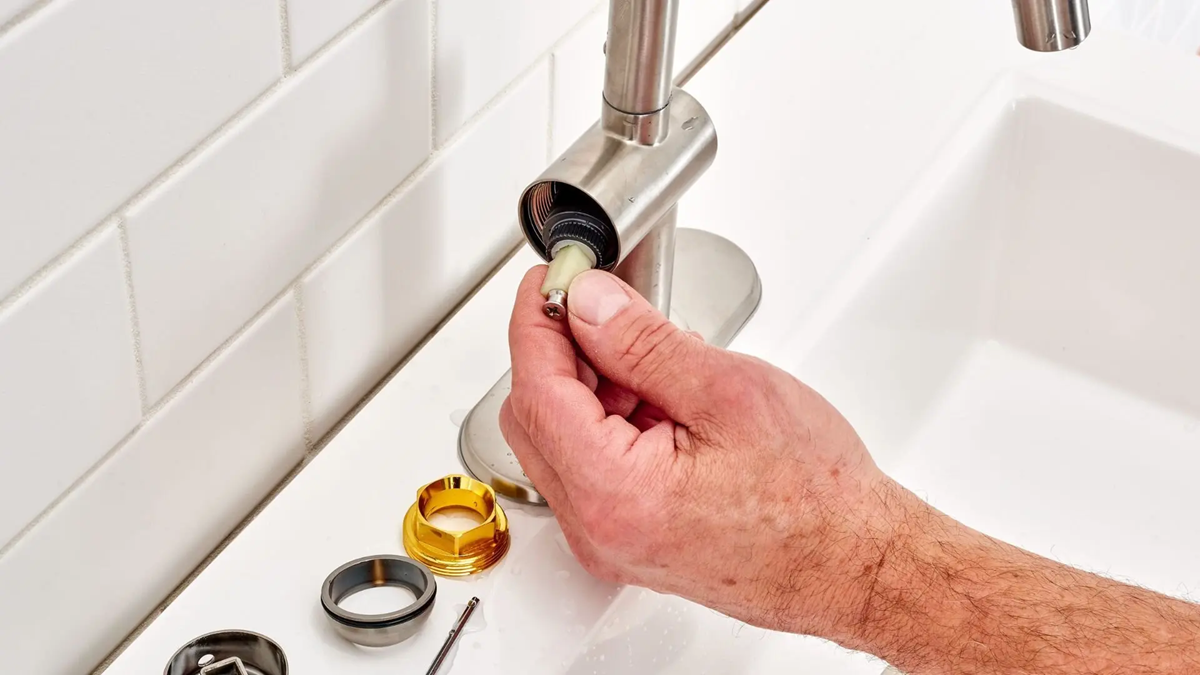
Home Tips: Right in front of the faucet is a small mesh called an aerator. Its function is to mix air into the water so that the water doesn't splash when opened and the stream remains consistent.
Reasons for slow water flow from the tap and easy solutions
Why Kitchen Tap Has Slow Water Flow: Water is not coming out of the tap as fast as before, and even the vessel that used to be filled in a short time is now taking a lot of time? If water is coming out of the kitchen tap in a slow stream, then it does not necessarily mean that there is a major fault in the entire pipeline of the house. Many times the reason for this is a small part of the tap, which we do not pay attention to. The good thing is that there is no need to call a plumber or buy a new tap every time to get it fixed. You can clean it at home with some simple methods and restore the flow of water as before.
The reason may be hidden in this small part of the tap.
There's a small mesh right next to the tap, called an aerator. Its function is to aerate the water, ensuring a consistent flow and a consistent flow. This also helps reduce water consumption. However, with continued use, this small mesh can accumulate dirt, grime, and minerals in the water. If your home has hard water, this problem can quickly develop. A white film around the tap's mouth can also indicate that minerals have accumulated on the aerator. Gradually, this mesh becomes so clogged that the flow of water is reduced, and instead of a strong stream, it begins to flow slowly.
This problem can be especially troublesome in the kitchen. Whether it's filling water quickly in the morning, cleaning baby bottles, or loading dishes for cooking, every task can take extra time. In such a situation, the faucet aerator should be checked first.
How to clean without calling a plumber
First, try unscrewing the aerator on the front of the faucet by hand. If it doesn't open easily, you can wrap a cloth around the faucet and gently turn it with pliers. Be careful not to apply too much force, as this could damage the faucet's finish or threads.
Once the aerator is removed, soak it in white vinegar for about 30 minutes. This will loosen calcium and other minerals from the mesh. Then, gently clean it with an old toothbrush. This can also remove any dirt trapped in the mesh's small holes. Some faucets have an internal aerator, making it difficult to remove by hand. Some faucets, especially those like Moen, may require a separate tool. In such cases, using the appropriate aerator removal tool can make removing the aerator easier and reduce the risk of scratching the faucet.
Cleaning can not only improve water flow but also reduce water wastage.
Dirt buildup in the aerator slows the flow of water, and people often leave the tap running for longer than necessary. This can increase water wastage. In some cases, the longer the water is running, the more hot water is used, which can increase water and energy consumption. Therefore, checking and cleaning the faucet aerator every few months can be a simple household habit. This is inexpensive and keeps the faucet comfortable to use.
Not just the kitchen tap, check these too.
If you encounter this problem with your kitchen faucet, be sure to check other faucets and showerheads in the house. Minerals in the water can build up in these faucets over time. Bathroom faucets and showers, in particular, may experience a gradual decrease in flow. Cleaning them every few months can help prevent sudden drops in water pressure. Maintaining a good flow of water is especially important in the morning, when many people are using the faucet at the same time.
What to do if water flows slowly even after cleaning?
If the water flow remains weak even after thoroughly cleaning the aerator, the problem may not be limited to the aerator alone. Mineral deposits can sometimes build up inside the faucet, or the small rubber washers may be worn out. In such cases, replacing the entire faucet isn't necessary. Sometimes, simply replacing the aerator can fix the problem. When purchasing a new aerator, consider the model and size of your faucet. Replacing it is usually fairly easy and doesn't require major plumbing work.