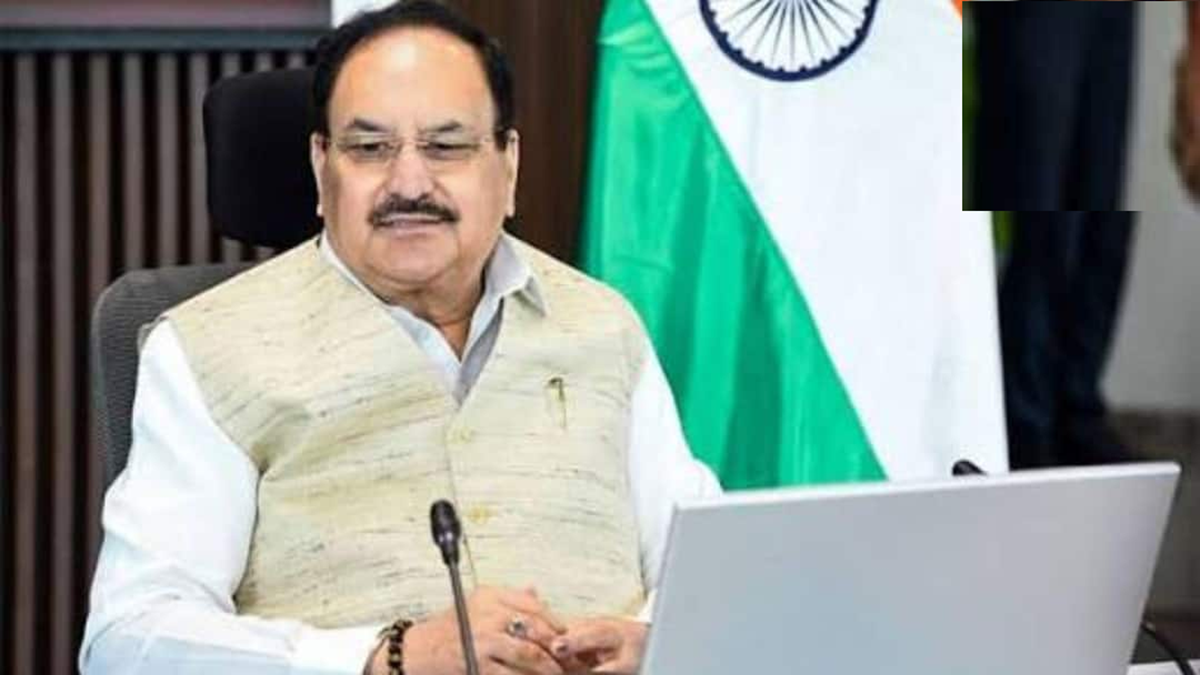
At the ABP Health Conclave, JP Nadda explained that preventive health measures include cancer, diabetes, and hypertension screenings, as well as tracking the health of mothers and children. Digital tracking is also helping detect disease.
Emphasis on prevention before illness
In the last few years, the country's healthcare system has placed special emphasis on disease prevention and early detection, along with treatment. Speaking at the ABP Health Conclave, Union Health Minister JP Nadda stated that after 2017, preventive health and early detection became a priority within the healthcare system. The goal is to identify disease before it becomes serious and initiate timely treatment.
According to Nadda, in a country with a population of 1.4 billion, emphasis has been placed on expanding healthcare services to the village level, rather than limiting them to large hospitals. Screenings for people over the age of 30 are being conducted through Arogya Mandirs. These include screening for oral cancer, breast cancer, cervical cancer, as well as diabetes and hypertension.
Screening of millions of people
Nadda stated that, under ongoing screenings since 2018, approximately 440 million people were screened for hypertension, and approximately 76 million were diagnosed with the condition. Similarly, approximately 440 million people were screened for diabetes, and approximately 50 million were diagnosed with the condition. Cancer screening figures are also impressive. 377 million people were screened for oral cancer, and approximately 220,000 were diagnosed with the condition. Approximately 99,000 cases were identified in 177 million breast cancer screenings, while approximately 100,000 cases were detected in 198 million cervical cancer screenings. This means that so many people were diagnosed at an early stage and their treatment was initiated.
Monitoring vaccination from the birth of the child till the age of 16
Nadda also emphasized the importance of monitoring mother and child within the health system. According to him, under the Government of India's program, 11 vaccinations are administered from birth to the age of 16. This aims to protect children from serious diseases. A comprehensive health monitoring system has also been established for pregnant women. A normal pregnancy requires five checkups and two vaccinations. If a woman falls into the high-risk pregnancy category, monitoring is further enhanced, with eight checkups performed.
Share of deliveries increased in government hospitals.
Nadda also mentioned changes in maternal health statistics. According to him, in 2014, approximately 78 percent of deliveries took place in government hospitals. This share has increased to 90.6 percent in the 2023-24 data. In C-section deliveries, the government covers the entire cost of the mother's operation.